
Logo
Get Estimate

Basement Drying and Dehumidification in Michigan

Get hidden moisture out before damage spreads


Basement Drying and Dehumidification in Michigan restores damp, flooded lower levels for homeowners facing leaks, seepage, or a failed sump pump. We extract standing water, measure moisture in concrete and framing, and set drying equipment to match the damage. Our Michigan basement drying and dehumidification service is built for winter pipe bursts, spring groundwater, and stormwater intrusion, with practical updates from the first inspection through the final moisture check.

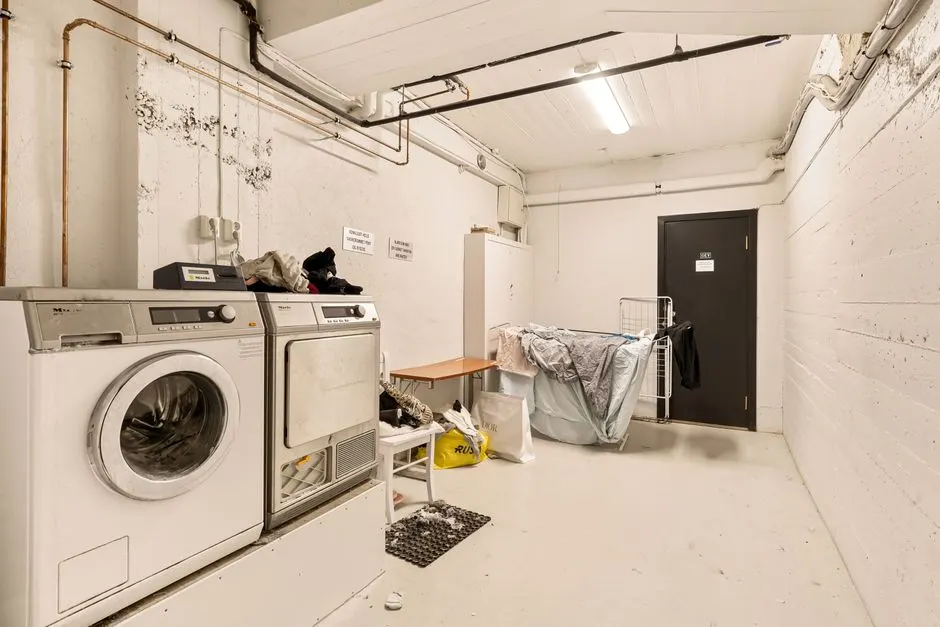
Spacious laundry room featuring washing machine and dryer with visible piping.
Licensed Licensed & Bonded
Fully Insured Insured & Bonded
24/7 Emergency Same-Day Response
Warranty Backed Workmanship Guaranteed

What's Included in Basement Drying

The drying service covers inspection, water extraction related to the affected area, equipment placement, moisture monitoring, and a final check. We explain any work that goes beyond drying, such as replacing damaged gypsum board, insulation, or framing, before proceeding. Repairs to the water source, sump system, or foundation drainage are handled as separate work when required.

Moisture Assessment

We inspect affected rooms and measure moisture in relevant materials, including accessible wall edges and framing. Comparison readings help establish a practical dry target. If signs point to hidden moisture, we explain where a small opening or further inspection may be needed before the structure can be cleared.


Water Extraction

We remove standing water using a pump or vacuum suited to the depth and condition. This step clears the floor for closer inspection and reduces the load on drying equipment. Contaminated water receives appropriate handling, and affected contents are separated from materials that can remain in place.

Airflow and Dehumidification

We set air movers and dehumidification equipment according to room layout, wet materials, and measured conditions. Placement is adjusted to promote air movement across affected surfaces without creating unnecessary obstruction. We monitor the setup and change it when readings show a different area needs attention.

Progress and Final Checks

We return to compare moisture readings and determine whether drying is progressing as expected. At completion, we remove equipment and explain any remaining repair or moisture-source concerns. Replacement materials, plumbing repairs, and foundation work are not part of the drying task unless separately arranged.

Basement Drying and Dehumidification in Michigan


Basement Drying and Dehumidification in Michigan is a structural drying service that removes excess water and humidity from basement materials after a leak, flood, or persistent seepage. We first extract water, then map damp areas with a moisture meter and check concealed surfaces where readings suggest trapped moisture. Air movers circulate air across wet materials while a low-grain refrigerant dehumidifier pulls moisture from the room. The target is not simply a dry-looking floor; it is verified drying in concrete, masonry, wood framing, and other affected materials.

Michigan homes face freeze-thaw cycles, heavy spring rain, humid summers, and rapid temperature changes that can push groundwater through foundation walls or expose a weak sump system. A burst water line, sump pit overflow, or wet basement insulation can leave moisture behind long after visible water is gone. Our basement moisture control in Michigan addresses the source and the affected materials together. If you need professional basement drying and dehumidification in Michigan, we inspect first and tailor equipment placement to the building.

What Happens During Drying

Basement drying follows a sequence: identify the water source, remove standing water, stabilize the environment, and verify material moisture. We explain each step as we work, protect the route into your home, and keep equipment positioned for useful airflow rather than simply filling the room with machines.

01

Schedule

Call or book online — a real human picks up and confirms a 2-hour arrival window.

02

Diagnose

Licensed tech inspects on-site, then walks you through the cause and your options.

03

Fix

The job is completed to code and done right the first time — no shortcuts, no surprises.

04

Guarantee

Every job backed by a written workmanship warranty — and we stand behind it.

Equipment and Drying Methods

Tools & Equipment

Submersible water pump

We use a submersible water pump to remove deeper standing water from basement floors and sump areas before air movement and dehumidification begin.

Moisture meter

A moisture meter gives repeatable readings in accessible materials, helping us compare affected areas with drier reference points and track progress.

Low-grain refrigerant dehumidifier

This dehumidifier removes moisture from the air during structural drying. We place and monitor it according to room conditions and the amount of wet material.

Axial air mover

An axial air mover directs airflow across wet floors, walls, and exposed framing. We adjust placement as readings change so air reaches the materials that need it.

Dri-Eaz equipment

Dri-Eaz restoration equipment is used for controlled extraction or drying where the model and capacity fit the job. Equipment choice follows measured conditions, not brand alone.

Methods & Standards

IICRC-informed structural drying

We identify wet materials, remove free water, establish baseline readings, and control airflow and humidity. Follow-up measurements guide whether equipment stays, moves, or comes out. The goal is verified drying of affected building materials rather than simply lowering room humidity for a short period.

Source-first water response

Drying cannot hold while water continues entering. We identify whether the cause is a leak, sump overflow, groundwater seepage, or stormwater intrusion, and coordinate source correction where needed. After the entry is controlled, extraction and drying can address the moisture already absorbed by the basement.

Material-specific monitoring

Concrete, masonry, wood framing, and gypsum board retain and release moisture differently. We take readings at relevant locations and compare them over time rather than applying one room-wide target. When a material is contaminated or too damaged to dry safely, we explain removal instead of extending equipment time.

When to Schedule Basement Drying

01

A frozen pipe bursts overnight, leaving water under stored items and along the basement wall.

What we do: We first confirm the leak is stopped and identify electrical or access hazards. Then we extract water, move affected contents where practical, and check nearby wall materials and framing. Drying equipment is positioned around the wet path, with follow-up readings to catch moisture that migrated beyond the visible spill.

→ You get a clear record of affected areas, a controlled drying setup, and a better basis for deciding which finishes can stay.

02

Spring storms overwhelm a sump system and leave several inches of water in a finished basement.

What we do: We pump the standing water, remove debris that blocks access, and assess flooring, lower drywall, and insulation. If water crossed a broad area, we divide the basement into drying zones and check each zone separately. We also note whether continuing groundwater or sump discharge problems could undermine the drying work.

→ The water is removed first, then drying is aimed at specific materials instead of relying on room air alone.

03

A slow water-heater leak is found after damp carpet and a musty smell appear.

What we do: We inspect the appliance area and the route water traveled, then check the carpet edge, baseboards, and nearby wall cavity. Once the leak is stopped, we extract remaining water and determine whether carpet padding or lower wall material needs removal. Equipment runs according to readings, not odor alone.

→ You learn whether the dampness is limited to the floor covering or has reached structural materials before repairs begin.

04

A stormwater entry leaves sediment and wet belongings against a masonry foundation wall.

What we do: We separate contaminated or damaged contents, remove pooled water, and clean affected hard surfaces before drying. Moisture checks follow the wall and adjacent framing to identify how far water moved. Where the wall continues to admit water, we explain that source correction is needed alongside drying.

→ Your basement receives a practical cleanup and drying sequence, with the entry area clearly identified for follow-up.

How Michigan Basement Drying Works Locally

Michigan's basement conditions change with the season. As November temperatures fall, exposed water lines and poorly insulated rim areas become vulnerable to freezing; spring brings snowmelt and groundwater pressure, while humid summer air can slow drying if it is brought into a cool basement. We adjust equipment and airflow to the indoor conditions rather than treating outdoor air as an automatic drying aid. Older homes often have concrete or masonry foundation walls, while finished basements can conceal wet fiberglass batt insulation and wood framing. Our professional flooded basement drying Michigan response begins by separating those materials and checking where water traveled. In Ann Arbor and Jackson, we commonly account for older foundation details; in Southfield, Portage, and Walker, access, finished-space layout, and water source shape equipment placement. We follow applicable safety requirements and NFPA 70E electrical safety practices around powered equipment. If you need to reduce basement humidity after flooding in Michigan, we first remove free water, then measure materials and adapt the setup as readings fall. The same disciplined sequence applies statewide, with local building conditions guiding the work.

Neighborhoods We Serve

  • Downtown Ann Arbor

    Older basements and finished lower levels need careful checks at masonry walls, utility penetrations, and floor edges where seepage can travel out of sight.

  • Southfield residential areas

    Finished rooms and storage spaces can hide damp lower drywall after a pipe leak, so we check baseboards and accessible wall cavities before setting equipment.

  • Portage neighborhoods

    After heavy rain, we assess sump areas and nearby stored belongings, then map how far water moved from the pit or foundation edge.

  • Jackson residential blocks

    Mixed foundation construction calls for material-specific readings; we distinguish damp masonry from moisture that has reached framing or finished wall sections.

Local Conditions We Plan For

  • Freeze-thaw shifts and November cold increase pipe-burst risk

    A line can leak into a basement before the water is noticed, then wet framing or stored materials. We check the full path and recommend source repair before drying equipment is expected to hold.

  • Spring snowmelt and heavy rain raise groundwater pressure

    Water may enter at foundation joints, sump pits, or low wall sections. Broad wet patterns require zone-by-zone extraction and moisture checks, not a single fan aimed at the obvious puddle.

  • Humid summer air can slow drying in cool basements

    Opening windows during humid weather can add moisture instead of removing it. We monitor indoor conditions and use dehumidification to keep the drying environment controlled.

Sump Overflow in a Finished Room

Before

A sump pit overflow left water across a finished basement floor and soaked the lower edge of stored boxes. The carpet appeared to be the main concern, but the wall base and nearby framing also showed elevated moisture. Water remained around the pit after the visible pool was partly cleared.

After

We extracted standing water, checked the floor and lower wall, and ran two air movers with a dehumidifier. Follow-up readings over four days showed the affected accessible materials moving toward dry comparison readings. We removed the setup after confirming the wet area had stabilized.

Maintenance: Keep the sump discharge clear and test the pump before forecast heavy rain. Store cartons on shelving rather than directly on the floor, and check the pit after prolonged storms.

Before

A leaking water line was repaired, but a musty odor and damp baseboard remained. The floor looked dry, so the homeowner could not tell whether water had traveled behind the finished wall or soaked the insulation. The leak had affected a narrow area beside the utility room.

After

We checked the wall edge and adjacent framing, then identified a damp cavity requiring access. After affected wet material was removed, drying equipment ran for three days with repeat moisture checks. The remaining framing reached readings comparable to the nearby unaffected section before equipment removal.

Maintenance: Inspect the repaired line and nearby joints for renewed leaks. If a new stain or odor appears, report it early; a small wet area is easier to trace before moisture travels through a cavity.

Before

Several days of rain brought water through one basement corner, leaving a dark, damp band along the masonry wall and wet items on the floor. The visible water was shallow, but the wall and adjacent storage area stayed damp after initial cleanup.

After

We removed the remaining water, checked the masonry and nearby materials, and used targeted airflow with dehumidification. Moisture readings were reassessed over five days. The floor and accessible wall surfaces dried, and the homeowner received a clear note identifying the corner for drainage follow-up.

Maintenance: Keep stored items several inches away from foundation walls and check the corner after storms. Correcting exterior drainage or a persistent entry point helps prevent the same area from becoming wet again.

Stop Moisture Before Damage Spreads

Persistent dampness can weaken finishes, affect stored belongings, and conceal wet structural materials. We locate the affected area, remove water, and dry what can be saved. For a basement drying company serving Michigan homeowners, the key is matching the response to the cause rather than treating every wet basement the same way.

Problem

Sump pump failure leaves water pooled across the basement floor

Water can soak stored belongings, wick into lower wall materials, and remain trapped around the sump pit even after the visible pool is gone.

Our Fix

We remove standing water with suitable extraction equipment, inspect the pit area and surrounding floor, and check nearby materials for retained moisture. Air movers and dehumidification are placed where readings show active dampness. We also identify whether an ongoing pump or discharge issue needs correction before the basement is considered stable.

Problem

Foundation wall seepage returns after heavy rain

Repeated dampness can affect masonry, baseboards, and finished walls, while moisture behind coverings stays out of sight and can support microbial growth.

Our Fix

We map the wet pattern from the wall outward and measure accessible materials to establish how far moisture has traveled. After extraction, we dry the affected surfaces and explain any signs of continuing water entry. You get a distinction between the immediate drying work and drainage or foundation repairs that may be needed.

Problem

Burst or leaking water line wets insulation and framing

Water can travel along a pipe run and collect inside a wall or ceiling cavity, leaving the basement apparently dry while wood and insulation remain damp.

Our Fix

We trace the visible water path, check adjacent cavities and framing, and determine whether affected finishes need selective removal for access. We dry exposed structural materials and monitor readings over time. If a plumber has not stopped the leak, that source must be repaired before drying can hold.

Problem

Sewage backup leaves contaminated water and damp materials

Contaminants can spread across floors and porous contents, making ordinary drying equipment placement unsafe before cleanup and isolation are addressed.

Our Fix

We isolate the affected area, use a sewage-rated pump where appropriate, and clean surfaces with suitable methods before setting structural drying equipment. Porous materials that cannot be safely cleaned are identified for removal. We explain the sequence so you know why contamination cleanup comes before routine dehumidification.

What Proper Drying Protects

What Proper Drying Protects

A dry surface can hide moisture behind trim or inside a wall cavity. We focus on measurable drying, safe access, and clear next steps, so you know what has been treated and what still needs attention.

  • Catch Hidden Moisture

    We record moisture readings at affected and comparison locations instead of relying on touch. A thermal imaging camera can help identify temperature patterns that warrant closer inspection, while a moisture meter confirms material readings. That process helps locate wet gypsum board, framing, or insulation before microbial growth after water damage becomes a larger repair.

  • Dry Materials Efficiently

    Equipment is placed to move air across wet surfaces without blocking essential access or creating unsafe conditions. In a typical contained room, the setup may include two to four axial air movers and a dehumidifier, adjusted as readings change. Measured progress helps avoid running equipment longer than the affected materials require.

  • Limit Secondary Damage

    Prompt extraction and controlled drying reduce the time water sits against wood, stored belongings, and finished surfaces. We separate salvageable items from materials that are swollen, contaminated, or no longer sound. This helps you make repair decisions based on observed damage rather than guesswork.

  • Plan the Next Repair

    Drying records give you a practical basis for deciding whether to keep existing finishes or remove damaged sections. If a wall cavity remains wet, we explain the access needed and why. For a basement drying company serving Michigan homeowners, the job is not complete until equipment is removed and the affected area is checked.

Training and Work Standards

Licensed & Certified

  • Water Damage Restoration Technician — issued by Institute of Inspection, Cleaning and Restoration Certification
  • Applied Structural Drying — issued by Institute of Inspection, Cleaning and Restoration Certification
  • Applied Microbial Remediation Technician — issued by Institute of Inspection, Cleaning and Restoration Certification
  • OSHA 10-Hour Construction Safety — issued by Occupational Safety and Health Administration

Verified Reviews

Google ★★★★★5.0

Our basement had standing water after the sump pump failed. The crew explained the extraction and drying setup, then returned to check the moisture readings instead of guessing from the floor. They also showed us where dampness remained near the wall. We appreciated having a clear update before the equipment was removed.

Yelp ★★★★★5.0

A pipe leak left our basement carpet wet and the lower wall stained. The team found moisture behind the finish, explained the access needed, and dried the exposed framing before we started repairs. The work was organized, and we knew what each machine was doing during the visit.

Google ★★★★★5.0

Rain pushed water through a corner of our basement, and some boxes were soaked. They removed the water, checked the masonry, and set up drying equipment in the affected area. We got practical advice about keeping items away from the wall and what to monitor after the next storm.

Training That Guides the Work

Basement drying is a measurement-driven trade, not a fan-and-wait job. Our technicians use water-damage restoration practices to choose extraction methods, set drying conditions, and track moisture in structural materials. Relevant training includes IICRC Water Damage Restoration Technician (WRT) and IICRC Applied Structural Drying (ASD); contaminated-water work also calls for appropriate remediation knowledge. We apply OSHA 10-Hour Construction Safety principles on job sites and use electrical safety practices around powered equipment. We do not claim a drying time until readings and material conditions support it.

  • IICRC WRT training supports sound decisions on water categories, extraction, drying setup, and documentation.
  • IICRC ASD methods help technicians manage airflow and dehumidification in complex structural drying conditions.
  • Moisture readings are recorded at repeatable locations so progress can be compared during the job.
  • Our team distinguishes clean-water leaks from sewage backup, which changes containment and cleanup steps.
  • Where building repairs fall within regulated work, we coordinate with a Michigan residential builder or maintenance and alteration contractor license holder.
Get Started Today
Training That Guides the Work

Cities We Serve Across Michigan

Our statewide routes bring basement drying and dehumidification to communities with different home styles, foundation conditions, and seasonal water issues. We provide basement moisture control in Michigan with equipment and monitoring selected for each property, whether water came from a sump failure, a plumbing leak, or groundwater seepage. The city details below show how we adapt the same measured process to local homes. We also serve nearby communities throughout our Michigan coverage area.

Basement Drying Questions

Real answers to the questions we hear most often from local homeowners and property managers.

How long does basement drying and dehumidification take in Michigan?
Most residential basement drying jobs take three to five days, with heavily saturated materials sometimes requiring a week or longer. The timeframe depends on water depth, humidity, material type, and whether wall cavities or insulation are wet. We check readings during the process and adjust equipment rather than promise a set finish date before inspection. A small concrete-floor leak can dry faster than water trapped behind finished walls.
What equipment is used for flooded basement drying in Michigan?
Flooded basement drying commonly uses a submersible water pump, wet/dry vacuum, axial air movers, and a low-grain refrigerant dehumidifier. We select equipment after checking water depth and material moisture; a sewage-rated pump is used when contaminated water requires it. A moisture meter tracks drying, while electrical cords and placement are managed for safe access. Equipment count and runtime change with the size and construction of the affected area.
How much does basement moisture control cost in Michigan?
Typical 2026 basement drying and humidity-control work ranges from $500 to $4,500, depending on extraction, equipment days, affected materials, and contamination. A limited seepage area costs less than a finished basement with wet insulation or wall cavities. We explain upfront pricing before work proceeds. Repairs such as replacing drywall, insulation, or a failed sump pump are separate from drying and depend on the damage found.
Can dehumidification prevent mold after a basement flood in Michigan?
Prompt extraction and controlled drying reduce mold risk, but dehumidification alone cannot guarantee prevention after a flood. Wet porous materials, contaminated water, and moisture left inside cavities need appropriate assessment and treatment. We check affected surfaces, remove unsalvageable materials when needed, and track readings as the basement dries. The sooner water is removed, the less time materials remain wet, but existing microbial growth requires a separate remediation plan.

Related Basement Services

Basement Water Removal

Standing water must be removed before structural drying can work effectively. We pump pooled water, collect remaining surface water, and inspect exposed materials so drying equipment can reach affected areas. This service connects extraction with the next step: reducing moisture inside the basement structure.

View Basement Water Removal

Emergency Basement Flood Cleanup

A sudden pipe break or storm intrusion needs immediate attention to water, contents, and safety. We extract water, separate affected belongings, and prepare the area for drying. Coordinating cleanup and dehumidification helps prevent a rushed extraction from leaving damp materials behind.

View Emergency Basement Flood Cleanup

Basement Water Extraction

Extraction removes water that air movers cannot handle, including pooling along foundation walls and around utilities. We select pumps or vacuums for the depth and water condition, then check the exposed floor and lower wall edges. Drying equipment follows once free water is removed.

View Basement Water Extraction

Basement Flood Damage Cleanup

Flood cleanup addresses residue, damaged contents, and surfaces affected by incoming water. We identify materials that can be cleaned and dried and those that need removal, then coordinate drying for the remaining structure. This is especially important after stormwater carries sediment into a finished basement.

View Basement Flood Damage Cleanup

Basement Structural Drying

Structural drying targets moisture in framing, concrete, masonry, and other building materials, not just room air. We use repeat moisture readings to guide airflow and dehumidification. When a wall cavity or subfloor remains wet, this service extends drying beyond the visible floor surface.

View Basement Structural Drying

Basement Sewage Cleanup

Sewage backup requires containment and cleanup methods that differ from a clean-water pipe leak. We isolate affected areas, use suitable extraction equipment, and clean contaminated surfaces before drying. Proper sequencing helps protect the rest of your basement while the structure is restored.

View Basement Sewage Cleanup

Start Basement Drying Across Michigan

Tell us what happened, where water is standing, and whether power or sewage is involved. Our team will help you take the next step and explain the drying process. Call now for emergency service; our technicians follow IICRC-informed drying practices.

Call Now Call for Service

Call For Basement Help

Call +1 866-896-8166 when your basement floods, a sump pit overflows, or a leak keeps feeding water onto the floor. Our phone line takes requests around the clock, and we connect you with independent companies serving Michigan. Share your city, the water source, and whether the water is still rising; those details help direct your request.

Or call us right now at +18668968166 — we answer.

Michigan Basement Water Removal Pros


  • Phone

    +18668968166
  • Address

    Michigan

  • Hours

    Mon–Fri: 7AM – 7PM
    Sat: 8AM – 4PM
    Sun: Emergency Only
    24/7 Emergency Available

Call +18668968166 Get Quote
Call Quote