


Logo
Get Estimate

Basement Water Removal in Lansing, Done Right

Basement Water Removal in Lansing starts with stopping the source and removing standing water before it spreads into walls and stored belongings. We handle basement water cleanup in Lansing for homes and commercial spaces across Downtown, REO Town, and the Westside. Spring snowmelt and heavy rainfall can raise groundwater levels, while older below-grade basements need careful moisture checks after a leak. Call us to describe what you see and get the next practical step.

Call for Help Request Service
Emergency service Water removal Local service
Licensed Licensed & Bonded
Fully Insured Insured & Bonded
24/7 Emergency Same-Day Response
Warranty Backed Workmanship Guaranteed in Lansing
Lansing

Basement Water Removal in Lansing


Basement Water Removal in Lansing is a water damage response service that removes unwanted water and supports drying after flooding, leaks, or backup events. The first priority is getting water off the floor; the next is finding how far moisture has traveled. Our crew serves Downtown, Old Town, REO Town, and Moores Park, where building age, basement layout, and access differ from one property to the next. We assess the source, choose extraction equipment for the water level, and check affected materials before setting drying equipment.

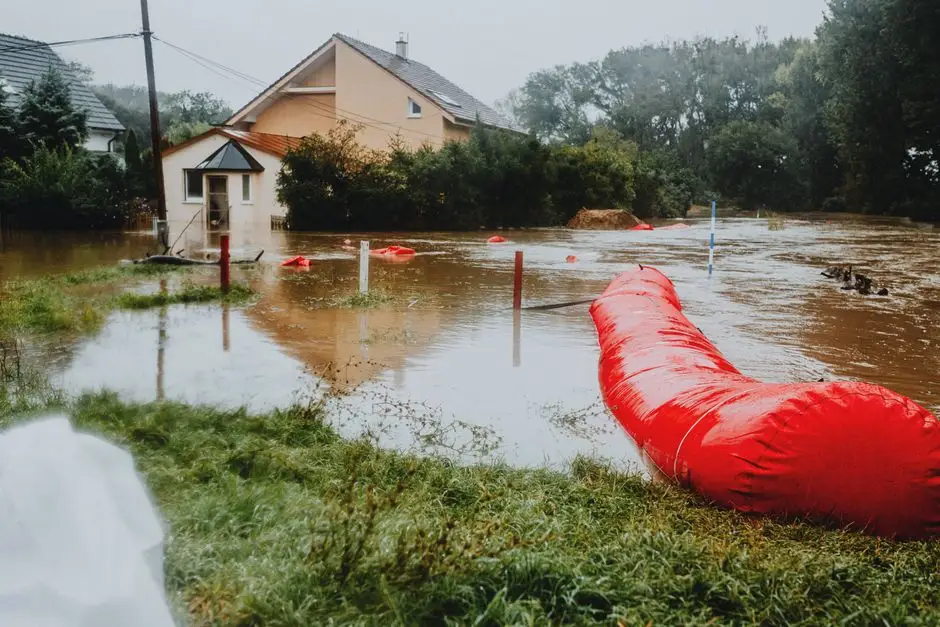
The Grand and Red Cedar rivers influence regional flood conditions, and spring snowmelt or rainfall can raise groundwater levels. Those conditions do not make every basement flood, but they make a working sump system and sound drainage important. We provide flooded basement water extraction Lansing property owners can call for after sump pit overflow, stormwater intrusion, or a burst water line. Our crew explains the immediate work, removes water, and checks concrete, gypsum board, insulation, and wood framing for retained moisture. You get a clear sequence: control the source, extract, clean affected surfaces, and dry what can be saved.

  • Locally licensed and insured in Lansing
  • Same-day diagnostics and written estimates
  • Real workmanship warranty in writing
  • Background-checked, in-house technicians

Lansing Basement Water Removal Services

Lansing water calls range from a few inches of water after a failed sump pump to extensive wetting after stormwater enters through a foundation opening. We ask whether water is still rising, how deep it is, and whether a floor drain or sewage line is involved so we can choose the right extraction approach. If you need emergency basement water removal in Lansing, Michigan, tell us the source and affected rooms when you call. We then remove standing water, address contamination concerns, and set a drying plan around the materials in your basement.

Basement Water Removal

Basement Water Removal

We remove standing water from Lansing basements after groundwater seepage, leaks, and sump failures. Our crew checks the affected rooms, selects pumping and extraction equipment for the depth and water type, and identifies wet materials that need follow-up drying. In older homes around the Westside, narrow stairs and finished rooms can affect equipment setup, so we plan the route before moving gear.

View Details
Emergency Basement Flood Cleanup

Emergency Basement Flood Cleanup

If water is actively entering your Lansing basement, our emergency cleanup begins with immediate safety checks and stopping or isolating the source where possible. We remove water, separate salvageable contents from wet materials, and clean affected surfaces. Calls involving electrical equipment, sewage, or unstable stored items receive added caution before anyone enters the flooded area.

View Details
Basement Water Extraction

Basement Water Extraction

Water extraction removes pooled water from floors and low spots that a household mop cannot reach. For Lansing properties, we choose a submersible water pump or truck-mounted extraction unit based on depth, access, and the volume involved. We follow extraction with moisture readings at flooring edges and lower walls, where water can remain after the visible puddles are gone.

View Details
Basement Flood Damage Cleanup

Basement Flood Damage Cleanup

Flood cleanup addresses more than water on the floor. We remove debris, clean appropriate surfaces, and assess gypsum board, insulation, and stored contents after basement flooding in Lansing. If contaminated water entered, we use the correct protective approach and disinfectant for affected hard surfaces. Your cleanup plan distinguishes materials that can be cleaned from those that need removal.

View Details
Basement Drying and Dehumidification

Basement Drying and Dehumidification

After extraction, we set air movement and dehumidification to pull moisture from concrete, framing, and remaining materials. In Lansing basements, closed doors and low temperatures can slow drying, so equipment placement and repeat readings matter. We use a moisture meter to track progress and adjust the setup rather than assuming a dry-looking floor means the whole room is dry.

View Details
Basement Structural Drying

Basement Structural Drying

Structural drying targets moisture held in wall cavities, framing, and other building materials after a flood or plumbing leak. We check affected areas in Lansing homes before placing air movers and dehumidification equipment. If water reached fiberglass batt insulation or gypsum board, we assess the material and access needed so hidden moisture is not left behind.

View Details
Basement Sewage Cleanup

Basement Sewage Cleanup

A sewage backup needs controlled cleanup, not ordinary water removal. Our crew assesses the affected area, uses sewage-rated pumping equipment when needed, removes contaminated materials that cannot be safely restored, and cleans suitable surfaces. In Lansing, keep people and pets out of the basement until the source is controlled and cleanup is complete.

View Details
Basement Storm and Groundwater Cleanup

Basement Storm and Groundwater Cleanup

Stormwater and groundwater can enter through foundation openings, floor joints, or overwhelmed drainage systems. We remove pooled water, check where it entered, and dry affected concrete and finished materials in Lansing properties. The work focuses on the actual entry path and moisture footprint, not just the visible water left after a storm passes.

View Details
Sump Pump Failure Cleanup

Sump Pump Failure Cleanup

When a sump pump fails during rain or snowmelt, water can rise quickly in a basement pit and spread across the floor. We extract water, check nearby contents and wall bases, and document moisture conditions before drying. For Lansing homeowners, restoring removal is only part of the response; the pump or power issue also needs attention to prevent repeat overflow.

View Details
Sump Pump Overflow Cleanup

Sump Pump Overflow Cleanup

A sump pit overflow can leave water around mechanical equipment, storage, and finished flooring. We pump out the pit and surrounding water, then inspect the floor perimeter and lower wall surfaces for moisture. Our Lansing cleanup accounts for whether the overflow came from a failed pump, a blocked discharge, or inflow that exceeded the system's capacity.

View Details
Basement Water Removal in Lansing
Service · #1

Basement Water Removal in Lansing


Basement Water Removal in Lansing helps homeowners respond when rain, snowmelt, or a plumbing leak leaves standing water below grade. Michigan Basement Water Removal Pros serves Old Town, Eastside, and neighborhoods near the Red Cedar River, where older foundations and changing water levels can complicate cleanup. We assess the source, remove water, and plan drying around your basement's materials, access, and condition so the response addresses more than the visible puddles.

Assessing Water And Foundation

Our crew checks water depth, entry points, and affected finishes before choosing equipment. In older homes around Lansing's Westside, stone or block foundations may allow seepage during spring thaw and heavy rain. A careful inspection guides basement water cleanup in Lansing, including decisions about safe access, salvageable belongings, and whether additional moisture checks are needed after pumping.

Removing Water With Care

We match extraction equipment to the volume and layout, then work through rooms, storage areas, and low spots. For a finished basement in Groesbeck or South Lansing, controlled removal helps limit disturbance to flooring and stored items. We explain the work as it proceeds and identify any remaining damp materials that should be dried or removed.

Planning Complete Moisture Control

Water removal is only the first step if walls, framing, or flooring remain wet. We document affected areas and recommend practical drying measures suited to Lansing's humid summers and cold, damp shoulder seasons. Our approach gives property owners a clear next step, whether the incident came from a burst line, foundation seepage, or stormwater entering at a window well.

  • Standing-water assessment and source-of-entry observations for affected rooms
  • Pump and extraction setup matched to basement size and water depth
  • Inventory notes identifying wet flooring, contents, and vulnerable materials
  • Post-removal moisture-check recommendations for walls and basement finishes

Emergency Basement Flood Cleanup in Lansing


Emergency basement flood cleanup in Lansing can reduce damage when a sudden storm, broken pipe, or sewer backup sends water downstairs. Michigan Basement Water Removal Pros responds across Downtown, Potter Park, and nearby residential blocks with a focused plan for access, extraction, and cleanup. We first consider immediate hazards and water conditions, then organize removal and drying to help protect the home's structure and belongings during a stressful event.

  1. 01

    Rapid Arrival And Safety

    When flooding strikes, we ask about the water source, electrical concerns, and access before arriving. In neighborhoods near the Grand River, intense rain can overwhelm drainage and bring water through low windows or foundation openings. Emergency basement water removal in Lansing, Michigan starts with hazard awareness and an on-site assessment so the crew can prioritize safe entry and urgent water removal.

  2. 02

    Coordinated Floodwater Cleanup

    After assessing the scene, technicians set up extraction equipment and separate wet contents where practical. For homes near REO Town or the Southside, basement layouts may range from open utility spaces to finished family rooms. Our emergency basement water cleanup in Lansing, Michigan is organized around the affected area, water volume, and materials requiring prompt attention.

  3. 03

    Clear Updates During Response

    Flood emergencies are disruptive, so we explain what is happening and what follows each stage. We identify water that remains under furniture or in floor-level recesses, and note materials needing further drying. Lansing's summer thunderstorms can arrive quickly; clear updates help owners understand cleanup priorities and make informed choices about belongings, access, and follow-up moisture control.

  • Initial safety review covering electrical risks and water source conditions
  • Emergency extraction equipment positioned for priority flooded areas
  • Wet-content separation guidance for salvageable furnishings and stored items
  • Written progress notes outlining cleanup stages and remaining drying needs
Emergency Basement Flood Cleanup in Lansing

02 / 10

Service

5+ YEARS · LANSING

Basement Water Extraction in Lansing

Basement water extraction in Lansing removes standing water before it can spread further through flooring, stored belongings, and lower wall sections. Michigan Basement Water Removal Pros serves homes in Colonial Village, near Michigan State University, and throughout the city, adapting equipment to tight stairways and varied basement layouts. Whether water followed a summer downpour or a failed appliance line, we assess depth and access before selecting a practical extraction sequence.

Equipment For Standing Water

Water depth and floor conditions determine which pumps and extractors are appropriate. In older Lansing basements, uneven concrete and shallow utility areas can leave water trapped after broad pumping. Our flooded basement water extraction Lansing service accounts for those low points, helping reduce standing water across the accessible floor rather than focusing only on the most visible pool.

Accessing Difficult Basement Areas

Narrow stairs, storage shelves, and mechanical equipment can restrict movement in many city homes. We plan hose routes and equipment placement to reach affected sections while avoiding unnecessary disruption. In the Moore's Park area, where houses include both finished and utility basements, a room-by-room approach makes it easier to address water beneath stored items and along foundation edges.

Checking Extraction Progress

Technicians monitor water levels as extraction proceeds and revisit corners, floor drains, and adjoining spaces. Lansing's freeze-thaw cycles can contribute to seepage through cracks, so the reason for water entry matters alongside removal. We describe what has been extracted and flag damp surfaces that may need drying equipment, giving owners a useful picture of the basement's condition after pumping.

  • Water-depth readings taken at multiple basement locations before pumping
  • Commercial extraction equipment selected for floor access and water volume
  • Hose routing planned to reach utility corners and adjoining rooms
  • Final walk-through documenting residual water and surfaces needing drying
Basement Flood Damage Cleanup in Lansing

Basement Flood Damage Cleanup in Lansing


Basement flood damage cleanup in Lansing addresses the wet materials and affected contents left after a basement flood. Michigan Basement Water Removal Pros works in areas such as Westside Neighborhood, Old Everett, and homes near the river corridor, where stormwater and plumbing failures can affect different building materials. We assess what can be cleaned, what requires removal, and how the cleanup should proceed to support safe, thorough recovery.

Damage review identifying affected finishes, contents, and visible debris

Promise

“Floodwater can affect carpet, drywall, insulation, and stored items differently. We examine impacted materials and help distinguish items that may be cleaned from those that are too saturated or contaminated. Our base…”

— Lansing customer
Sorting Damaged Materials +

Floodwater can affect carpet, drywall, insulation, and stored items differently. We examine impacted materials and help distinguish items that may be cleaned from those that are too saturated or contaminated. Our basement water mitigation services near Lansing include practical recommendations for managing damage in older homes, where finished walls or concealed cavities may hold moisture after surface water is gone.

Cleaning Affected Surfaces +

Once water is removed, the crew addresses accessible surfaces and debris according to the type of water and material involved. In Lansing basements with concrete floors and paneled walls, cleanup needs may differ from a newer finished room. We outline the work area, explain how affected contents are handled, and avoid promising restoration where material condition requires further inspection.

Reducing Follow-Up Problems +

Lingering dampness can lead to odors and further deterioration, particularly during humid Michigan summers. We identify areas that need additional drying and explain how air movement and dehumidification fit into the recovery plan. For homes in the Eastside or near Potter Park, practical follow-up guidance helps owners understand what to monitor after visible flood damage has been cleared.

  • Damage review identifying affected finishes, contents, and visible debris
  • Sorting guidance for cleanable belongings and heavily saturated materials
  • Cleanup of accessible hard surfaces within the affected basement zone
  • Follow-up recommendations for odors, damp areas, and additional drying
Basement Drying and Dehumidification in Lansing
Service · #5

Basement Drying and Dehumidification in Lansing


Basement drying and dehumidification in Lansing helps address moisture that remains after water extraction or minor seepage. Michigan Basement Water Removal Pros serves homes from the Westside to Groesbeck, where damp basements can persist through rainy springs and humid summer weather. We evaluate wet surfaces and room conditions, then position drying equipment to encourage consistent air movement and moisture removal without overlooking concealed corners or lower wall areas.

Measuring Indoor Moisture

A basement can feel dry while framing, carpet padding, or stored materials retain moisture. We inspect affected areas and use readings to guide equipment placement and follow-up checks. Homeowners seeking basement drying and moisture control near Lansing benefit from a process that considers Lansing's seasonal humidity as well as the specific materials and airflow in each basement.

Positioning Drying Equipment

Air movers and dehumidifiers work best when arranged for the room's shape and moisture pattern. In compact basements near Downtown Lansing, shelving and partition walls can create stagnant pockets. We position equipment to circulate air through affected areas, while keeping access to utilities and walkways in mind, and explain how operating conditions influence the drying schedule.

Verifying Drying Progress

Drying is monitored rather than judged by touch alone. We revisit damp materials, compare moisture readings, and adjust equipment when conditions call for it. Older homes around East Lansing's city border may have masonry walls that dry differently from modern framed partitions. Clear progress checks help owners understand when the affected area is moving toward a stable, dry condition.

  • Moisture readings collected from affected walls, floors, and materials
  • Air movers positioned to circulate air around damp basement zones
  • Dehumidifier placement adjusted for room size and humidity conditions
  • Progress checks documented to guide equipment changes and drying completion

Basement Structural Drying in Lansing


Basement structural drying in Lansing targets moisture absorbed by framing, subfloors, sill plates, and other building components after water intrusion. Michigan Basement Water Removal Pros serves properties across South Lansing, Colonial Village, and established neighborhoods with older construction, adapting the drying plan to what the inspection reveals. By tracing moisture beyond visible surfaces, we help property owners address damp structural areas and understand where monitoring or further access may be appropriate.

  1. 01

    Locating Hidden Wet Components

    Water can travel behind baseboards or beneath finished flooring before becoming visible. We inspect accessible structural areas and use moisture readings to identify locations that may require focused drying. In Lansing's older housing stock, basement framing and masonry connections vary from home to home, so the assessment is based on observed conditions rather than assumptions about a standard layout.

  2. 02

    Drying Framing And Subfloors

    When framing or subfloor materials are wet, drying requires adequate airflow and consistent monitoring. We arrange equipment around exposed components and explain any limitations created by concealed cavities. A professional basement water mitigation company in Lansing should connect equipment placement to the actual moisture pattern, particularly after spring groundwater seepage or a plumbing leak in a finished basement.

  3. 03

    Monitoring Structural Moisture

    Readings taken over time show whether structural materials are drying and whether the plan needs adjustment. We pay attention to lower wall sections, floor edges, and areas near utility penetrations. Homes around the Grand River may experience recurring dampness during wet periods, so we also discuss visible conditions and practical observations owners can track after the service visit.

  • Moisture mapping of accessible framing, sill plates, and subfloor sections
  • Drying equipment arranged around exposed structural materials and access points
  • Repeat readings recorded to evaluate structural drying progress
  • Notes identifying concealed areas that may need further inspection
Basement Structural Drying in Lansing

06 / 10

Service

5+ YEARS · LANSING

Basement Sewage Cleanup in Lansing

Basement sewage cleanup in Lansing requires careful handling when a drain backup or sewer line problem releases contaminated water indoors. Michigan Basement Water Removal Pros serves homes near REO Town, the Eastside, and other city neighborhoods with a controlled response focused on access, removal, and affected materials. We assess the source and impacted area before beginning cleanup, helping owners understand immediate precautions and the work needed to address contaminated surfaces.

Controlling Contaminated Areas

Sewage-affected rooms need separation from clean areas while the source and extent are assessed. We identify affected pathways, note nearby belongings, and explain access precautions before cleanup begins. In older Lansing properties, floor drains and plumbing connections may be located in tight utility spaces, so a focused inspection helps establish practical boundaries around the contaminated zone.

Removing Wastewater Safely

The removal plan accounts for water depth, debris, and the materials contacted by wastewater. We use appropriate extraction methods and manage affected contents according to their condition. For a basement sewage event near Downtown Lansing, quick containment helps avoid tracking contamination into stairways and adjoining rooms while the crew proceeds with removal and surface cleanup.

Cleaning And Drying Surfaces

After wastewater is removed, affected hard surfaces are cleaned and the area is evaluated for materials that cannot be restored through surface treatment. We identify remaining dampness and outline next steps for drying. Lansing's wet spring weather can slow indoor drying, making ventilation and moisture monitoring important parts of the cleanup plan after a drain or sewer backup.

  • Affected-area assessment noting wastewater pathways and contaminated contents
  • Containment guidance to limit tracking into clean rooms and stairways
  • Wastewater extraction and removal of unsuitable debris from affected zones
  • Surface-cleaning and drying recommendations based on contacted materials
Basement Storm and Groundwater Cleanup in Lansing

Basement Storm and Groundwater Cleanup in Lansing


Basement storm and groundwater cleanup in Lansing addresses water entering through foundation walls, window wells, or floor joints during heavy rain and seasonal thaw. Michigan Basement Water Removal Pros assists homeowners in Potter Park, Old Town, and low-lying areas near the Red Cedar River. We identify likely entry points, remove water, and assess affected materials, tailoring the response to local weather patterns and the home's basement construction.

Visual review of foundation joints, window wells, and water tracks

Promise

“Water tracks, damp joints, and window-well conditions can help explain how groundwater reached the basement. We inspect visible entry points and note whether water appears related to runoff, seepage, or another source…”

— Lansing customer
Tracing Water Entry Points +

Water tracks, damp joints, and window-well conditions can help explain how groundwater reached the basement. We inspect visible entry points and note whether water appears related to runoff, seepage, or another source. For basement floodwater pumping and removal in Lansing, identifying the likely route helps owners connect cleanup with practical drainage or exterior maintenance follow-up.

Pumping Stormwater From Floors +

Stormwater may collect quickly after intense rain, particularly where grading directs runoff toward a foundation. We select pumping and extraction equipment according to depth and floor access, then check low areas for residual water. Homes near the Grand River or Red Cedar can face changing wet-ground conditions, so the response considers both the immediate water and the affected basement layout.

Addressing Damp Foundation Areas +

After pumping, foundation surfaces and nearby belongings are checked for moisture that may persist behind stored items or along wall edges. We explain which areas need drying and what conditions to watch during the next rainfall. In Lansing's freeze-thaw seasons, recurring seepage can expose vulnerable joints, making documented observations useful for planning future maintenance.

  • Visual review of foundation joints, window wells, and water tracks
  • Stormwater pumping plan based on basement access and pooling depth
  • Inspection of damp wall edges and contents near suspected entry points
  • Written observations to support drainage and moisture-control follow-up
Sump Pump Failure Cleanup in Lansing
Service · #9

Sump Pump Failure Cleanup in Lansing


Sump pump failure cleanup in Lansing helps when a power outage, mechanical fault, or overwhelmed basin leaves groundwater across the basement floor. Michigan Basement Water Removal Pros serves homes in Eastside, Groesbeck, and neighborhoods near the Red Cedar, where spring rain and thaw can raise water pressure around foundations. We assess the flooded area, remove standing water, and check nearby materials while noting conditions that may have contributed to the pump failure.

Assessing Basin And Flooding

We inspect the sump pit, surrounding floor, and visible water line to understand how far the failure affected the basement. A pump problem in a Lansing utility room may send water beneath shelving or toward finished areas. This assessment helps set extraction priorities and distinguishes a local basin overflow from wider groundwater seepage through foundation joints.

Extracting Water From Floors

Water is removed from open floor areas and checked in corners where it can collect. For a flooded basement in Groesbeck, equipment placement may need to account for furnaces, laundry appliances, and narrow paths around the sump basin. We describe the removal sequence and flag wet materials that need additional drying after the immediate pooling is cleared.

Reviewing Recurrence Risks

Cleanup can reveal clues such as a high water line, debris in the pit, or nearby moisture suggesting the system was under strain. We document visible observations without treating them as a substitute for pump repair. Lansing's heavy spring precipitation makes it useful to review backup power, discharge routing, and maintenance with a qualified pump professional.

  • Inspection notes covering sump pit, water line, and nearby floor areas
  • Water extraction from pooled sections and accessible low spots
  • Identification of wet contents and materials requiring additional drying
  • Visible-condition summary to support sump pump service and maintenance

Sump Pump Overflow Cleanup in Lansing


Sump pump overflow cleanup in Lansing removes water after a basin spills over or a discharge problem sends water back toward the basement. Michigan Basement Water Removal Pros works throughout the city, including homes near Michigan State University and the Southside, where basement configurations and drainage routes vary. We inspect the overflow area, extract water from affected floors, and check nearby finishes so cleanup reflects both the spill and any moisture that spread beyond it.

  1. 01

    Finding Overflow Spread

    An overflowing basin can wet floors beyond the immediate pump area, especially when water runs beneath storage or across a sloped slab. We follow visible tracks and check adjacent rooms to establish the affected boundary. In Lansing's older basements, small thresholds and uneven concrete can direct water into unexpected corners, making a thorough floor-level inspection important.

  2. 02

    Removing Basin Overflow Water

    We use extraction equipment suited to the amount of water and the room's access, clearing pooled sections before addressing damp edges. Homeowners looking for affordable basement water cleanup serving Lansing, Michigan receive a clear description of the immediate work and affected areas. We avoid unnecessary disruption while ensuring that water around utilities and stored items receives attention.

  3. 03

    Checking Discharge And Drying

    Overflow cleanup includes noting visible discharge concerns, such as water returning near the foundation, while leaving pump repair to the appropriate specialist. We identify damp flooring and lower walls that need drying after extraction. During Lansing's wet spring months, monitoring the area after rainfall can help owners recognize whether the overflow was isolated or part of a repeated drainage issue.

  • Overflow spread mapped around the sump basin and adjacent floor areas
  • Standing water extracted from accessible rooms and low concrete sections
  • Wet lower walls and stored belongings identified for drying attention
  • Discharge observations recorded for follow-up with a pump professional
Sump Pump Overflow Cleanup in Lansing

10 / 10

Service

Residential Basement Water Removal

Residential Basement Water Removal in Lansing

Lansing homes include older houses with below-grade basements as well as properties with newer utility-room layouts and finished lower levels. A sump pump failure can wet stored belongings, while a burst line can soak drywall before the leak becomes obvious. We ask what rooms are affected and whether you have children, pets, or essential items that need a safe route out. Our basement water cleanup in Lansing removes standing water, checks affected materials, and sets a drying plan around your home's construction. We explain what needs immediate attention and what should be referred for plumbing, electrical, or foundation repair.

  • Home sump overflow extraction — We pump out a flooded sump area and remove water from nearby floors, then check the lower walls and stored belongings. In Lansing, we ask whether the pump lost power, stopped working, or was overwhelmed by inflow. The cleanup includes drying checks, while mechanical repair is arranged separately if the pump or discharge needs correction.
  • Finished basement water cleanup — Finished rooms need attention to flooring, baseboards, gypsum board, and insulation, not just visible puddles. We extract water and measure affected materials in your Lansing home. If moisture is trapped behind a wall, we identify the area for closer assessment and explain whether drying in place or material removal is appropriate.
  • Leaking line water extraction — A leaking water line can spread under stored items and into wall edges before you find the source. After the line is shut off, we remove pooled water and check nearby surfaces for moisture. Our Lansing crew helps separate wet items from dry belongings and uses readings to guide drying instead of relying on appearance.
  • Basement odor and moisture checks — Musty odor after a flood can indicate lingering moisture in concrete, framing, insulation, or stored materials. We inspect the affected area, take moisture readings, and use targeted drying where conditions support it. Lansing homeowners receive a practical explanation of what remains wet and which materials need additional cleanup or repair.

Commercial Basement Water Removal

Commercial Basement Water Removal in Lansing

Lansing businesses use basements for storage, mechanical equipment, records, and building services, so a water event can affect operations even when the flooded area is not public-facing. We coordinate access with the property contact, identify areas that must remain clear, and plan equipment placement around occupants and operating hours. For emergency basement water cleanup in Lansing, Michigan, share whether the water is clean, storm-related, or sewage-contaminated and whether critical equipment is nearby. We extract water, assess materials, and organize drying so the affected basement can move toward safe use without confusing cleanup with repairs to plumbing or electrical systems.

Government officesRetail businessesRestaurantsProfessional officesProperty management

Common Lansing Basement Water Problems

Lansing's below-grade basements face different water sources through the year. Spring snowmelt and rainfall can raise groundwater, while freeze-thaw cycles can affect foundation drainage and expose weak joints. Older homes may have finished walls or fiberglass batt insulation that hides moisture after a leak. Our Michigan basement water removal in Lansing work begins by identifying whether the water came from a sump failure, stormwater, a supply line, or a sewage backup; the source determines the safest cleanup method.

Sump pump failure during heavy rain or spring snowmelt

A sump pump can fail mechanically, lose power, or struggle when inflow rises quickly. Lansing's spring snowmelt and rainfall can arrive close together, increasing water around a below-grade foundation. A failed pump may leave water in the pit first, then across the floor if the inflow continues.

Groundwater seepage through foundation joints and lower walls

Groundwater can move through cracks, wall-floor joints, or masonry after wet weather. Seasonal freeze-thaw cycles may affect drainage conditions around foundations. The first visible sign is often a damp strip or water at the perimeter, but stored items and finished walls can hide the full moisture area.

Stormwater intrusion after intense rainfall

Heavy rainfall can overwhelm exterior drainage or enter through vulnerable openings and foundation transitions. In Lansing, local conditions and each property's grading and drainage setup determine where water travels. Water can carry soil and debris, making it important to distinguish stormwater from a clean plumbing leak.

Hidden moisture after a leaking line or pipe break

A leaking or burst water line can run behind finished walls or under flooring before the leak is noticed. In a basement, water may travel away from the source and collect at low points. Gypsum board and insulation can hold moisture after the visible water has been wiped up.

When to Call for Basement Water Removal

Call for Basement Water Removal in Lansing when water is actively entering, standing on the floor, or reaching porous materials such as insulation and drywall. A damp smell, a high sump pump cycle, or a wet line at the foundation can point to a problem before a large puddle forms. If you need 24/7 flooded basement water extraction near Lansing, explain whether the water is still rising and whether it may contain sewage. Do not step into standing water near energized equipment.

  • Water rising inside the sump pit

    A high or overflowing sump pit can signal pump failure, a blocked discharge, or inflow beyond system capacity. If water is spreading onto the basement floor, call for extraction and keep clear of electrical equipment. A pump-out does not correct the mechanical cause, so arrange a repair after the immediate water is removed.

  • Water line along the foundation wall

    A visible wet line, seepage at a joint, or water collecting at the wall-floor seam indicates active or recent entry. In Lansing, rainfall and spring snowmelt can raise groundwater, but the specific entry point still needs inspection. Remove stored items from the wet area and have the moisture checked before finishes conceal it.

  • Soft drywall or damp insulation

    Soft gypsum board, bubbling paint, or damp fiberglass batt insulation means water has reached porous building materials. The surface may look only slightly damaged while the wall cavity holds more moisture. Prompt assessment helps determine whether drying in place is appropriate or whether affected material needs removal.

  • Sewage odor near a floor drain

    A strong sewage odor or visible wastewater requires immediate caution. Keep people and pets out, avoid touching contaminated water, and do not use a household vacuum. Sewage can carry harmful contaminants; professional pumping, controlled removal, and cleaning of affected surfaces are required.

  • Water stains after a pipe leak

    A new stain, damp baseboard, or wet patch beneath a water line can mean the leak traveled beyond the visible drip. Shut off the source if it is safe to do so, then check surrounding flooring and lower walls. Extraction and measured drying reduce the chance that hidden moisture remains after the pipe is repaired.

Lansing Landmarks and Navigation

Lansing's familiar landmarks help orient crews and customers when confirming an address or choosing a practical approach through the city. The Michigan State Capitol sits in the central civic area, while the Lansing River Trail follows river corridors and connects several parts of the city. Potter Park Zoo and the R. E. Olds Transportation Museum are additional reference points. We still navigate to your exact property address; landmarks are useful orientation, not a substitute for a confirmed entrance or access instructions.

Michigan State Capitol

The Capitol is a central Lansing reference point that helps identify the downtown civic area. It can orient directions toward nearby streets, but the service route is set from your property address and the most useful basement entrance.

Lansing River Trail

The Lansing River Trail is a city trail system following river corridors and provides a recognizable geographic reference. It can help describe general areas of Lansing, while crews use street-level navigation to reach a specific home or business.

Potter Park Zoo

Potter Park Zoo is a recognizable Lansing landmark near the Grand River area. Mentioning it can help clarify general location when discussing directions, but it does not determine flood conditions at an individual property.

R. E. Olds Transportation Museum

The R. E. Olds Transportation Museum is a downtown orientation point. It helps place an address in the central Lansing area when arranging access, while the exact street address remains necessary for routing.

Coverage across Lansing & Ingham County

4891248933489154891148910489064890148909489164891948922489244892948930489374895148956

Plus surrounding Ingham County neighborhoods, with same-day routing on most appointments.

Lansing Seasonal Water Risks

As November turns toward winter, protect basement plumbing and watch for leaks as temperatures drop. Frozen or burst lines can send water across a utility room before anyone notices. Through the rest of the year, spring snowmelt and rainfall can raise groundwater, summer storms can overwhelm drainage, and fall leaves can affect exterior water flow. If you need basement drying and moisture control near Lansing, the season helps explain the source, but measured inspection determines what your building needs.

Spring

Snowmelt and repeated rain can raise groundwater and increase sump activity in Lansing. Watch for water at foundation joints, a sump pit that cycles constantly, or dampness along lower walls. A small wet strip can spread if inflow continues or a pump fails.

Tip: Test the sump system before wet weather, keep the discharge route clear, and move boxes off the floor. If water appears, note the depth and whether it is still rising before calling for extraction.

Summer

Summer storms can deliver intense rainfall over a short period and send water toward basement openings or overwhelmed drainage. Warm conditions do not guarantee quick drying; closed rooms and wet wall cavities can retain moisture and develop odor.

Tip: After a storm, check the basement perimeter and sump pit. Remove small loose items from wet floors, but avoid entering water near electrical equipment or using a household vacuum on contaminated water.

Fall

Fall brings changing temperatures and leaves that can obstruct exterior drainage paths. Water that pools near a foundation may show up in the basement during rain. Check for musty smells, damp concrete, and a sump pump that runs more often than usual.

Tip: Keep exterior drainage outlets clear and test the sump before winter. If a wall or floor seam becomes wet, arrange an assessment before storing seasonal belongings against it.

Winter

Freezing temperatures increase concern about exposed plumbing and lines in cold basement areas. A burst or leaking water line can flood a utility room quickly. Freeze-thaw cycles can also affect foundation drainage as temperatures shift.

Tip: Know where the main water shutoff is and keep access clear. If a pipe breaks, shut off water only if it is safe, avoid wet electrical areas, and call for extraction once the source is controlled.

Basement Water Removal in Lansing FAQs

Real answers from our team for the questions we hear most often before a job starts.

How much does basement water removal cost in Lansing, Michigan?
A limited Lansing extraction often costs about $300 to $900, while a multi-room flood with drying can run roughly $1,500 to $5,000 or more. The price depends on water depth, contamination, material removal, equipment, and drying duration. Sewage cleanup adds protective handling and disposal needs. We inspect the affected area and explain the price before starting, so you know what the immediate work covers.
Who offers emergency basement water cleanup near Lansing?
Michigan Basement Water Removal Pros handles emergency basement water cleanup in Lansing, including sump failures, stormwater, pipe leaks, and sewage-related calls. Call +18668968166 and tell us whether water is still entering, how deep it is, and whether electrical equipment is affected. For emergency basement water removal in Lansing, Michigan, those details help us prepare the right pumping and safety equipment.
How quickly can basement water extraction reach Lansing, Michigan?
Arrival timing depends on the call volume and your address, so we confirm a practical response window when you call. Give us your Lansing location, water depth, source, and any access restrictions. For active flooding, call +18668968166 rather than waiting for water to spread. We will prepare suitable extraction equipment and explain the next step directly.
What should I do before a basement water removal crew arrives in Lansing?
Keep people and pets out of standing water, especially near outlets, panels, or appliances, and shut off the water source only if it is safe. Do not use a household vacuum on sewage or unknown water. Move dry valuables from a safe area, note where water is entering, and call with the depth and source. Avoid lifting heavy wet items.
How long does basement water removal and drying take in Lansing?
Pumping may take a few hours, while drying commonly needs about 2 to 5 days of equipment and moisture checks. A larger flood, wet insulation, hidden moisture, or continued water entry can extend the timeline. We track readings in the affected materials and adjust equipment as conditions change, rather than declaring the basement dry from appearance alone.

Need Basement Water Removal in Lansing?

Call Michigan Basement Water Removal Pros at +18668968166 for a Lansing basement water emergency. Our emergency line is available 24/7. Tell us the address, water source, depth, and any electrical or sewage concern, and we will explain the immediate next step and prepare the right extraction approach for your situation.

Call Our Crew Send a Message

Call For Basement Help

Call +1 866-896-8166 when your basement floods, a sump pit overflows, or a leak keeps feeding water onto the floor. Our phone line takes requests around the clock, and we connect you with independent companies serving Michigan. Share your city, the water source, and whether the water is still rising; those details help direct your request.

Or call us right now at +18668968166 — we answer.

Michigan Basement Water Removal Pros


  • Phone

    +18668968166
  • Address

    Michigan

  • Hours

    Mon–Fri: 7AM – 7PM
    Sat: 8AM – 4PM
    Sun: Emergency Only
    24/7 Emergency Available

Call +18668968166 Get Quote
Call Quote