
Logo
Get Estimate

Sump Pump Failure Cleanup in Michigan

We remove water and get your basement drying


Sump Pump Failure Cleanup in Michigan gets standing water out of your basement and addresses the wet materials left behind after a pump stops, loses power, or cannot keep up. We help homeowners and property managers facing a flooded sump pit, stormwater intrusion, or groundwater seepage. Our team extracts water, checks affected surfaces, and sets up drying equipment so you can move from an active basement emergency toward a clean, dry space.

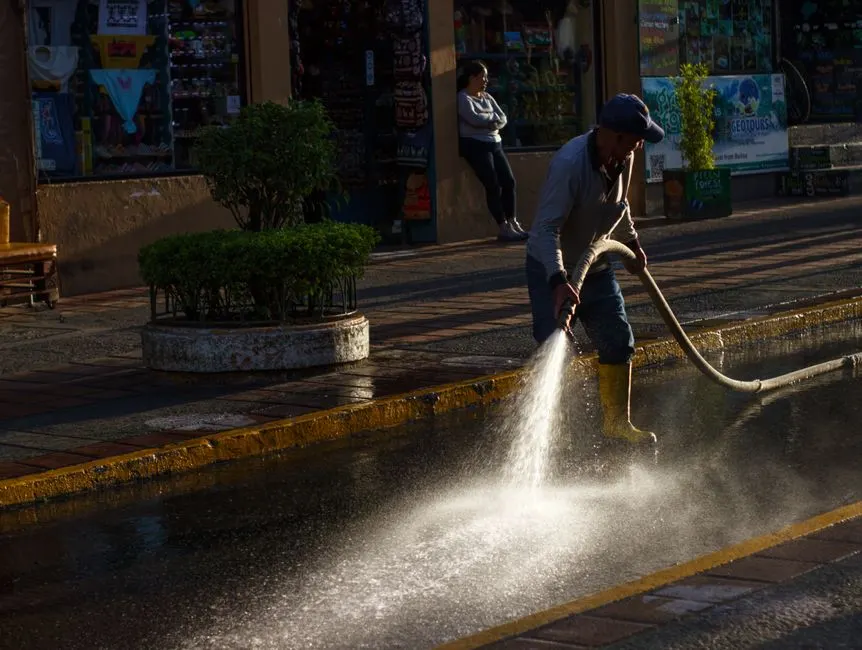
A city worker uses a hose to clean a street at dusk, highlighting urban maintenance.
Licensed Licensed & Bonded
Fully Insured Insured & Bonded
24/7 Emergency Same-Day Response
Warranty Backed Workmanship Guaranteed

What's Included in Pump Failure Cleanup

Our cleanup covers water extraction, an assessment of affected materials, appropriate surface cleaning, and a drying setup based on moisture readings. We explain any damaged materials that need removal and identify when a plumber or electrician should address the pump or power problem. Pump replacement, foundation repairs, and reconstruction are separate trade work, but we help you understand where cleanup ends and those repairs begin.

Water Source Assessment

We inspect the sump pit, visible water spread, and nearby materials to determine whether the event involves groundwater, stormwater, or possible sewage. This first check informs pump selection, cleaning steps, and the precautions needed to keep your household away from unsafe areas.
Standing Water Extraction

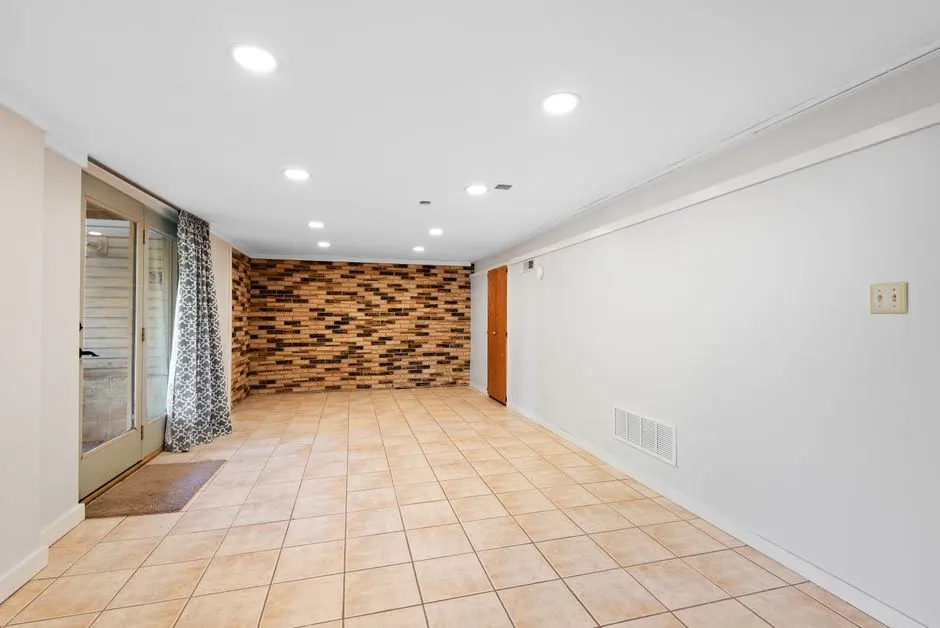
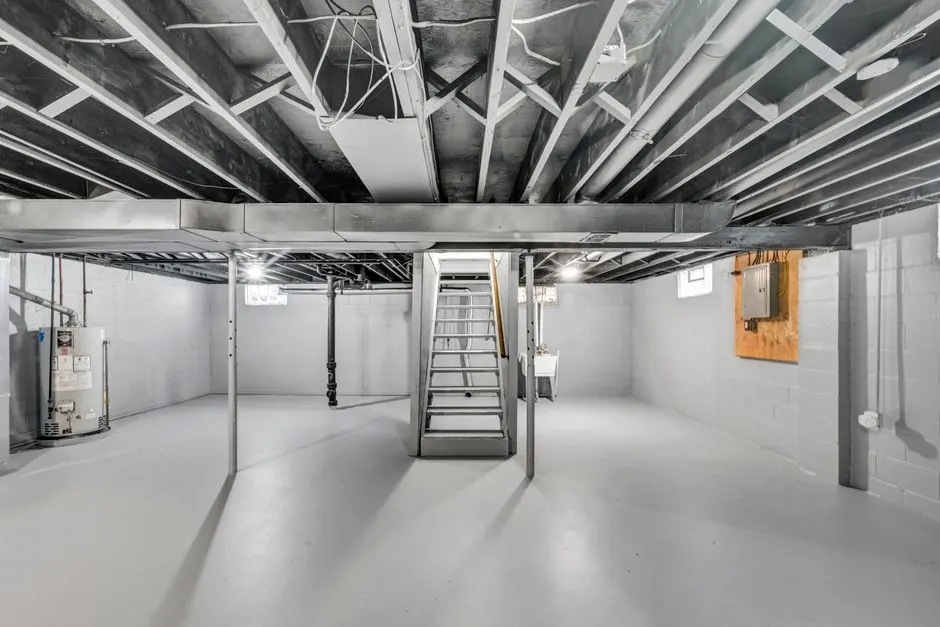
We remove pooled water from the basement floor and accessible low areas with equipment matched to the depth and site conditions. After bulk extraction, we address residual water at edges and around stored items so the drying phase can begin on a cleaner surface.

Moisture Mapping

Our technicians check visible flooring, walls, and framing with moisture-measuring tools. If readings or visual signs point to damp material behind a finished surface, we explain the concern and the next inspection step instead of assuming the wall is dry.

Cleaning and Drying Setup

We clean affected hard surfaces as appropriate and place air movers and dehumidification equipment to support drying. Equipment location responds to the room layout and materials. Follow-up readings help us decide whether airflow needs adjustment or additional wet material needs attention.

Progress and Completion Review

We review drying progress with you and explain what the moisture readings show. At the end of cleanup, we summarize the areas addressed and any remaining repair needs, including pump service, electrical work, or replacement of materials that cannot be dried safely.

Sump Pump Failure Cleanup in Michigan


Sump Pump Failure Cleanup in Michigan is water damage restoration that removes water and dries affected basement materials after a sump pump stops working or overflows. We first identify the water source and check whether the pit contains clean groundwater or contaminated water. A submersible water pump or truck-mounted extraction unit removes standing water; a moisture meter then helps us map wet concrete, gypsum board, and wood framing. We move contents away from wet areas, remove unsalvageable materials when needed, and place drying equipment based on measured conditions rather than guesswork.

Michigan homes face a mix of heavy rain, thawing snow, saturated soil, and power interruptions, all of which can overwhelm a basement pump. Older foundations with masonry walls and newer finished basements each need a different drying plan. Our Michigan sump pump failure cleanup addresses the water first, then checks insulation, wall cavities, and floor edges where moisture can remain unseen. If your sump pit overflowed during a storm, professional sump pump failure cleanup in Michigan helps limit damage before microbial growth develops.

What to Expect During Cleanup

Sump pump backup cleanup in Michigan follows a clear sequence: control the water, remove it, assess what is wet, and dry the structure. We explain each step as we work, including what needs immediate removal and which materials can remain in place while drying continues.

01

Schedule

Call or book online — a real human picks up and confirms a 2-hour arrival window.

02

Diagnose

Licensed tech inspects on-site, then walks you through the cause and your options.

03

Fix

The job is completed to code and done right the first time — no shortcuts, no surprises.

04

Guarantee

Every job backed by a written workmanship warranty — and we stand behind it.

Equipment and Drying Methods

Tools & Equipment

Submersible Water Pump

We use a submersible water pump to lower water in a sump pit or remove deeper standing water when access and water conditions allow. It moves bulk water quickly before detailed surface extraction begins.

Truck-Mounted Extraction Unit

A truck-mounted extraction unit provides high-volume removal for larger flooded areas and accessible basement floors. Our technicians use it to reduce standing water before addressing residual moisture along edges and around contents.

Moisture Meter

A moisture meter checks building materials such as wood framing and gypsum board so drying progress can be compared over time. We use readings to target follow-up work instead of judging by touch or appearance.

Low-Grain Refrigerant Dehumidifier

A low-grain refrigerant dehumidifier removes moisture from the basement air as wet materials release it. We position and monitor the unit according to room conditions and drying readings.

Dri-Eaz Air Mover

An axial air mover from Dri-Eaz directs airflow across affected surfaces to support evaporation. We adjust placement to the room and materials, avoiding a one-layout-fits-all approach.

HEPA Air Scrubber

A HEPA air scrubber helps manage airborne particles during work that disturbs dusty materials or requires removal. We use it when site conditions and the cleanup task call for controlled air filtration.

Methods & Standards

IICRC Water Damage Restoration Technician Practices

We use WRT principles to assess water conditions, select extraction methods, and plan structural drying. The approach centers on source identification, material evaluation, and documented moisture checks. That helps our team choose practical steps for your basement rather than relying on a preset equipment count.

Moisture Mapping and Progress Checks

We record readings in affected materials and compare them with suitable dry reference areas. Follow-up checks show whether framing, flooring, and wall materials are improving. If the readings stall, we reassess airflow, dehumidification, and any hidden moisture that needs access.

Electrical and Contamination Safety

We keep people clear of potentially energized standing water and follow NFPA 70E electrical safety practices where applicable. When the source suggests sewage backup, we use suitable pumping and cleaning procedures instead of treating the event as a clean groundwater loss.

Targeted Structural Drying

We position air movers and dehumidification to move moisture from affected materials into controlled air removal. If walls or insulation are wet, we evaluate whether drying in place is appropriate or whether access and removal are needed. Equipment stays in place according to progress, not a fixed timetable.

When to Call for Cleanup

01

Your pump stops during a November rain and water begins pooling around the sump pit.

What we do: We check the water depth and nearby electrical conditions, then remove pooled water with equipment suited to the basement. After extraction, we inspect floor edges, stored items, and lower wall materials, using moisture readings to guide cleaning and drying rather than relying on visual checks alone.

→ You get standing water removed and a clear picture of affected materials, with drying underway before dampness spreads further through the basement.

02

A winter power interruption leaves the basement wet after thawing snow raises groundwater around the foundation.

What we do: We make safe access the first priority, then select a pump and extraction method based on water level and source. Our team checks masonry and finished areas for moisture, removes damaged material when necessary, and places dehumidification equipment to manage continued evaporation.

→ The immediate water is gone, and you know which areas are drying, which need repair, and where pump or electrical service should follow.

03

You discover damp carpet and a musty smell days after a sump pump overflowed.

What we do: We inspect the carpet edge, pad, baseboards, and nearby wall cavities to locate moisture that may remain after the surface dries. We remove waterlogged materials that cannot be salvaged, clean affected hard surfaces, and monitor drying with moisture readings.

→ Hidden wet areas become visible and the cleanup plan addresses the source of the odor instead of masking it with fragrance or surface cleaning.

04

The sump pit contains foul-smelling water after a backup and nearby storage has been splashed.

What we do: We treat the water as potentially contaminated until its source is assessed, restrict access, and use appropriate pumping and cleaning procedures. Our technicians identify affected porous contents and materials, remove what cannot be cleaned safely, and guide you through the drying and repair steps.

→ Contamination is handled deliberately, affected items are separated from clean belongings, and the basement receives a cleanup plan suited to the water source.

How Cleanup Works Across Michigan

Michigan weather puts sump systems through several stresses: November rain, winter freeze-thaw cycles, spring snowmelt, and summer storms that saturate soil. A pump that handles routine groundwater may struggle when runoff arrives faster than the pit can discharge. Our sump pump backup cleanup in Michigan starts by finding whether water came through the pit, a foundation wall, or another source, then we match extraction and drying to the materials in your basement. Older homes with masonry foundations often need careful checks at mortar joints and floor edges; finished basements need extra attention around gypsum board, insulation, and framing. In colder periods, frozen discharge lines can contribute to pump trouble, so we note what needs plumbing follow-up while addressing the water damage. For emergency water removal after sump pump failure in Michigan, we prioritize safe access, fast extraction, and moisture mapping before building a drying plan. Local building requirements and permit needs vary with the repair; structural changes or plumbing work should be handled under applicable Michigan and local rules by the appropriately licensed trade.

Neighborhoods We Serve

  • Downtown Detroit

    Older basements and mixed-use buildings can include masonry walls and stored mechanical equipment. We check both the visible floor and lower wall joints after a sump pit overflow.

  • Midtown Detroit

    Finished lower levels may hide wet insulation behind drywall. We use readings and targeted inspection to determine whether water spread beyond the visible floor.

  • West Side Detroit

    Heavy rain can expose foundation seepage alongside a pump failure. We separate water entering at the pit from moisture coming through walls or floor seams.

  • East Side Detroit

    Basements used for storage need careful sorting after a flood. We help identify wet porous contents and keep salvageable items separate during extraction.

Local Conditions We Plan For

  • Freeze-thaw cycles stress sump discharge lines and foundation edges

    A frozen or obstructed discharge line can return water toward the pit or leave the pump unable to clear incoming groundwater. We remove basement water, then flag visible conditions that need a plumber's inspection before the next freeze.

  • Spring snowmelt raises groundwater around basement foundations

    Rapid melt can saturate soil and increase seepage through masonry joints or slab edges. We check the perimeter as well as the sump area, since drying only the obvious pool can leave damp materials along the foundation.

  • Heavy storms bring runoff faster than a pump can discharge

    Stormwater intrusion may spread beyond the sump pit into finished rooms and stored contents. We map the waterline, extract from low areas, and inspect flooring and lower walls to establish how far the event traveled.

Overflow Across an Unfinished Floor

Before

A failed pump leaves two inches of water across a 500-square-foot basement. Cardboard boxes sit on the concrete, the sump pit is still receiving groundwater, and the lower edges of wood framing are damp. The room cannot be used safely for storage, and the homeowner cannot tell whether the water reached the finished utility area.

After

We remove standing water, separate wet cardboard from salvageable items, and check the framing and floor with a moisture meter. Air movers and dehumidification support drying, with follow-up readings over several days. The floor is clear, the affected materials are documented, and the homeowner has a defined repair list.

Maintenance: Have the pump and discharge route inspected after cleanup, especially before the next wet season. Keep stored goods on shelving, test the backup power arrangement according to its instructions, and watch for fresh seepage at the pit or foundation joints.

Before

A finished basement looks mostly dry after water is vacuumed from the floor, but the baseboard is swollen and a musty odor remains. The pump failed during heavy rain, and water reached the carpet edge along one wall. The hidden condition of insulation and framing is still uncertain.

After

We inspect the carpet edge and lower wall, then compare moisture readings with unaffected areas. Where wet materials are confirmed, we explain the access needed and remove damaged sections. The exposed framing is dried with directed airflow and dehumidification, with readings checked until they show progress.

Maintenance: Keep the sump pit clear of debris and arrange pump service if it cycles unusually or fails to discharge. After major storms, check the floor and wall perimeter rather than waiting for an odor to reveal hidden dampness.

Before

A basement pit overflows with foul-smelling water and splashes stored items nearby. The homeowner is unsure whether it is groundwater or sewage backup, so ordinary wet-vac cleanup could spread contamination. Porous boxes and a rug are damp, and access to the utility area is limited.

After

We assess the source, restrict access, and use appropriate pumping and cleaning procedures. Affected porous contents are separated for disposal or further evaluation, while hard surfaces are cleaned as conditions allow. The remaining area is dried and checked, giving the owner a clear account of what was handled.

Maintenance: Arrange a plumbing inspection to identify the cause of the backup and avoid storing absorbent items near the sump. If foul water returns, keep people and pets out of the area and call for an assessment before attempting cleanup.

Problems Solved After Sump Pump Failure

A failed pump can turn a usable basement into a wet, hard-to-manage space in hours. Our cleanup tackles the water and its effects, from hidden moisture in wall cavities to saturated contents, and helps you understand which issues need immediate action and which follow-up repairs can wait until drying is complete.

Problem

Sump pit overflow spreads water across finished basement flooring

Water can wick beneath flooring and into lower drywall, leaving moisture in places that look dry from above. Delayed drying increases the chance of material damage and microbial growth.

Our Fix

We extract water from the floor and inspect edges, transitions, and nearby wall materials with moisture readings. If the water has reached finished flooring or gypsum board, we explain what can be dried in place and what needs removal. Our team sets equipment to target the affected area and checks progress before calling the drying complete.

Problem

Power outage stops the pump during heavy rain or snowmelt

Without pump operation, groundwater can rise quickly in a low basement. Water near electrical equipment creates additional hazards and makes access unsafe until the area is assessed.

Our Fix

We begin with a safety check and keep people clear of unsafe standing water. Once conditions allow, we select an extraction method suited to water depth and remove pooled water. We then assess the basement materials and coordinate the cleanup plan around safe access, while you arrange electrical or pump service as needed.

Problem

Water remains trapped behind insulation and finished walls

Wet basement insulation can hold moisture against wood framing, even after the visible floor water is gone. Odor, material deterioration, and microbial growth can follow if damp cavities remain unnoticed.

Our Fix

We compare moisture readings across affected and unaffected areas and use thermal imaging to help locate suspect sections. Where inspection confirms wet insulation or hidden moisture in wall cavities, we explain the access needed and remove damaged material when required. Air movement and dehumidification then support drying of the exposed structure.

Problem

Contaminated water enters through a backed-up sump system

Water that contains sewage or other contamination should not be treated like ordinary groundwater. Contact can affect porous materials and make do-it-yourself cleanup unsafe.

Our Fix

We assess the source and use appropriate precautions before moving contaminated water. A sewage-rated pump and suitable cleaning procedures keep the work directed at the actual risk. We identify porous contents or building materials that need removal, clean affected hard surfaces, and set the next steps for safe drying.

Practical Results for Your Basement

Practical Results for Your Basement

Sump pump trouble leaves more than a puddle: damp contents, soaked finishes, and hidden moisture can follow. We focus on measurable cleanup, safe access, and a drying plan matched to your basement, so you know what has been removed and what still needs attention.

  • Water Removed Promptly

    We extract pooled water with equipment sized for the depth and floor area, then use a wet/dry vacuum for edges and shallow residual water. Removing water promptly helps protect stored belongings and reduces the time that concrete, trim, and lower wall materials remain wet.

  • Moisture Checked Properly

    Our technicians use a moisture meter to compare affected areas with dry reference points and monitor progress during drying. Where a finished wall hides wet insulation, thermal imaging can help identify temperature patterns that deserve closer inspection before we decide whether opening the assembly is necessary.

  • Safer Contamination Decisions

    Water from a clean groundwater event is handled differently from sewage backup or water that has contacted chemicals. We inspect the source and visible conditions before selecting cleaning methods. If contamination is present, a sewage-rated pump and appropriate protective procedures keep the cleanup plan focused on occupant safety.

  • Drying That Targets Materials

    A low-grain refrigerant dehumidifier and axial air mover help remove moisture from the air and move it across affected surfaces. We position equipment for the room layout, check readings over time, and adjust airflow rather than relying on a fixed number of fans or a calendar-only drying estimate.

Training and Work Standards

Licensed & Certified

  • IICRC Water Damage Restoration Technician — issued by Institute of Inspection, Cleaning and Restoration Certification
  • IICRC Applied Structural Drying — issued by Institute of Inspection, Cleaning and Restoration Certification
  • OSHA 10-Hour Construction Safety — issued by Occupational Safety and Health Administration
  • EPA Lead-Safe Certification — issued by U.S. Environmental Protection Agency

Verified Reviews

Google ★★★★★4.9

A sump pump failed during a storm, and water reached the storage side of our basement. The crew extracted it, checked the wall bottoms, and explained the readings before setting up drying equipment. They returned to monitor progress and left us with a clear summary of what still needed repair.

Yelp ★★★★★4.8

We had a wet basement after a power interruption stopped the pump. The technicians checked for electrical concerns first, then removed the water and helped sort damaged boxes from items we could keep. They did not leave us guessing about the drying process.

BBB ★★★★★4.9

The sump pit overflowed and left water near finished walls. The team checked behind the visible damage, identified damp material, and explained why a section needed to be opened for drying. The work was organized and the updates made it easy to understand what was happening.

Field Knowledge for Pump Failures

Sump pump failure cleanup demands more than removing visible water; it takes a sound understanding of moisture movement, building materials, and contamination. Our team applies IICRC Water Damage Restoration Technician (WRT) practices and uses measured drying checks to guide the work. We assess how water has moved through concrete, masonry, and finished walls, then match extraction and drying methods to the actual conditions. You get a clear explanation of what we found, what we removed, and what remains wet, without a sales pitch disguised as a technical diagnosis.

  • We use IICRC Water Damage Restoration Technician practices to guide water extraction, material evaluation, and drying documentation.
  • Our technicians distinguish groundwater seepage from sewage backup before selecting pumps, cleaning products, and protective procedures.
  • Moisture meters help us track wet framing, gypsum board, and concrete rather than judging dryness by touch alone.
  • We account for Michigan's freeze-thaw cycles, stormwater surges, and winter power interruptions when discussing repeat pump failures.
  • Our work follows OSHA 10-Hour Construction Safety practices and NFPA 70E electrical safety practices where the job conditions require them.
Get Started Today
Field Knowledge for Pump Failures

Frequently Asked Questions

Real answers to the questions we hear most often from local homeowners and property managers.

Who provides emergency sump pump failure cleanup in Michigan?
Michigan Basement Water Removal Pros provides emergency sump pump failure cleanup across Michigan. We remove standing water, assess affected materials, and set up drying equipment based on measured moisture. Tell us whether the water is clear or contaminated, how deep it is, and whether power is affected; those details help our team prepare the right pump and safety equipment. Call +18668968166 to reach our cleanup team.
How quickly should cleanup start after a sump pump fails?
Start water removal as soon as the area is safe, ideally within 24 hours of discovering the failure. Wet drywall, insulation, and wood framing can absorb water quickly, while microbial growth after water damage becomes a concern as damp conditions persist. If water is near electrical equipment, do not enter the area; keep people away and call for professional help. We begin with safety, extraction, and moisture checks.
How much does sump pump backup cleanup cost in Michigan?
In 2026, straightforward residential extraction and cleanup often falls around $500 to $1,500; extensive drying or contaminated water can push a project to $1,500 to $5,000 or more. The final cost depends on water depth, square footage, materials, access, and disposal needs. We explain pricing upfront after assessing the affected area. Drying that requires equipment monitoring or removal of wet insulation adds labor and time.
What should I do while waiting for sump pump failure cleanup?
Stay out of standing water if it could contact electrical outlets, appliances, or a live circuit, and keep children and pets away. If you can reach the breaker without entering the wet area, shut off power to the basement; otherwise, wait for qualified help. Move dry valuables from a safe area, photograph visible damage, and do not run a second pump through potentially contaminated water. We can guide you by phone.

Related Basement Water Services

Basement Water Removal

After a sump pump fails, standing water can spread from the pit across floors and into stored belongings. We remove pooled water and address the affected basement area, then use moisture readings to identify where drying needs to continue.

View Basement Water Removal

Emergency Basement Flood Cleanup

A failed pump during a storm can leave water in finished rooms before you can move contents. Emergency cleanup combines water extraction, surface cleaning, and drying setup to limit additional damage and return the basement to a manageable condition.

View Emergency Basement Flood Cleanup

Basement Water Extraction

Extraction is the first major step when a sump pit overflows or groundwater enters the basement. We use equipment suited to water depth and access, then vacuum remaining shallow water so drying equipment can work on damp materials rather than a flooded floor.

View Basement Water Extraction

Basement Flood Damage Cleanup

When pump failure affects carpet, drywall, stored items, or trim, cleanup must address the damage beyond the visible waterline. We evaluate materials, remove items that cannot be salvaged, clean affected surfaces, and prepare sound areas for drying or repair.

View Basement Flood Damage Cleanup

Basement Drying and Dehumidification

Water extraction does not remove moisture trapped in wall assemblies or porous materials. We use air movement and dehumidification, then monitor readings to guide equipment adjustments until the basement's affected materials are adequately dry.

View Basement Drying and Dehumidification

Basement Structural Drying

A finished basement can retain moisture behind gypsum board, around framing, or beneath floor coverings after a pump failure. Structural drying targets those assemblies with measured checks and a planned equipment layout, reducing the risk of leaving hidden damp areas.

View Basement Structural Drying

Get Sump Pump Failure Cleanup in Michigan

Standing water will not wait for a convenient time. Call +18668968166 and tell us what failed, how much water is in the basement, and whether power is affected. Our trained technicians will help you take the next safe step and arrange cleanup.

Call Our Team Call for Cleanup

Call For Basement Help

Call +1 866-896-8166 when your basement floods, a sump pit overflows, or a leak keeps feeding water onto the floor. Our phone line takes requests around the clock, and we connect you with independent companies serving Michigan. Share your city, the water source, and whether the water is still rising; those details help direct your request.

Or call us right now at +18668968166 — we answer.

Michigan Basement Water Removal Pros


  • Phone

    +18668968166
  • Address

    Michigan

  • Hours

    Mon–Fri: 7AM – 7PM
    Sat: 8AM – 4PM
    Sun: Emergency Only
    24/7 Emergency Available

Call +18668968166 Get Quote
Call Quote