
Logo
Get Estimate

Basement Structural Drying in Michigan

We dry hidden moisture before damage spreads.


Basement Structural Drying in Michigan helps homeowners and property managers recover when water reaches framing, wall cavities, concrete, or finished floors. Our team locates trapped moisture, removes water, and positions drying equipment to protect materials that surface cleanup alone cannot reach. If a sump pump fails, a pipe bursts, or stormwater enters your basement, call us for a clear plan and direct help getting the structure dry.

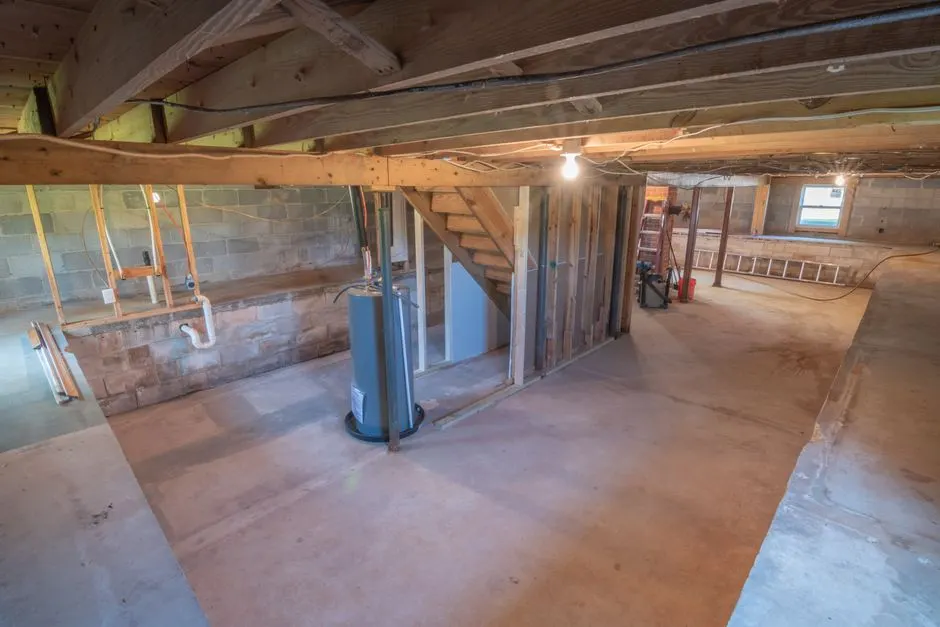
Empty basement with exposed beams and plumbing pipes, ideal for renovation.
Licensed Licensed & Bonded
Fully Insured Insured & Bonded
24/7 Emergency Same-Day Response
Warranty Backed Workmanship Guaranteed

What Basement Structural Drying Includes

Our service covers moisture assessment, water removal as needed, equipment placement, and drying verification for affected basement materials. We explain what is being monitored and why. Cleaning, demolition, reconstruction, and repair of the original leak depend on the condition and source; we identify those needs during inspection and coordinate the drying sequence so wet materials are not hidden behind a cosmetic fix.

Moisture Mapping

We inspect visible surfaces and accessible building assemblies, then record baseline readings in affected areas. Comparing readings helps distinguish damp concrete from wet wood framing or moisture near wall cavities. You get a useful starting point for tracking progress and identifying areas that need closer inspection.

Water Extraction

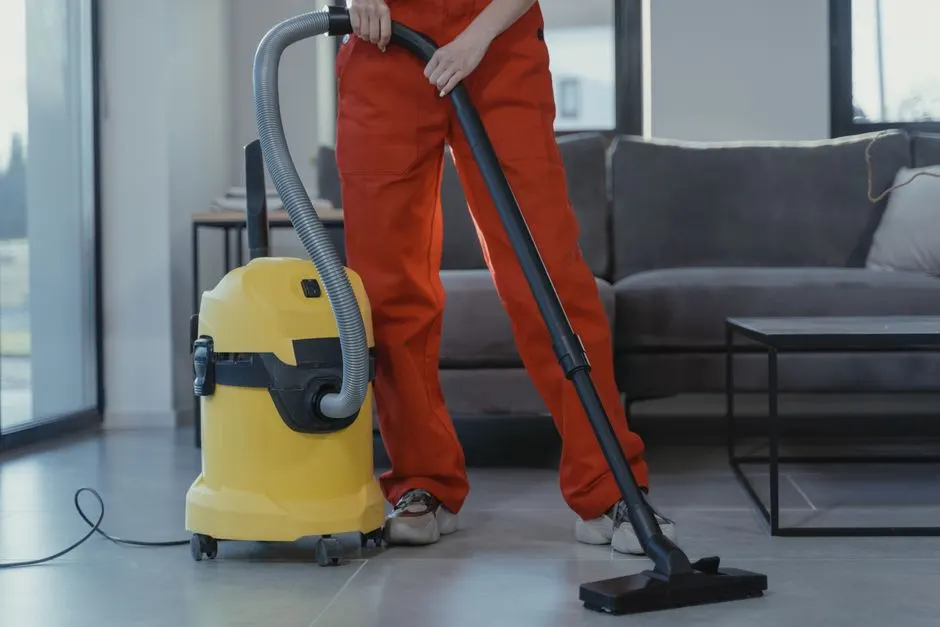
If standing water remains, we remove it with an appropriate pump, extraction unit, or wet/dry vacuum. Clearing pooled water reduces continued contact with flooring and lower wall materials. We also check corners, floor joints, and other accessible low spots before setting drying equipment.

Controlled Airflow

We position axial air movers to move air over affected materials, using the basement layout and moisture map to guide placement. Airflow is adjusted during follow-up visits rather than left on an arbitrary pattern. This helps moisture leave surfaces and enter the controlled room environment.

Humidity Management

A low-grain refrigerant dehumidifier removes moisture from the air as wet materials release it. We select placement and operating conditions based on the room and affected area. Equipment checks help confirm that the drying setup is working and that changes are made when readings plateau.

Progress Verification

Follow-up readings show whether framing, flooring, and other targeted materials are drying. We compare results with baseline measurements and explain any slow areas. At completion, we review the condition of the dried space and identify any remaining repair or source-control work.

Basement Structural Drying in Michigan


Basement Structural Drying in Michigan is a water damage restoration service that measures and removes moisture from building materials after a basement leak or flood. We extract standing water, inspect accessible wall and floor assemblies, and set air movers and dehumidifiers according to moisture readings. Drying is not finished just because concrete looks dry; wood framing, insulation, and gypsum board can retain water behind surfaces. We track those materials with a moisture meter and adjust equipment until readings show a stable, dry condition.

Michigan homes face thaw-season groundwater, heavy rain, winter pipe breaks, and sump pit overflow, with older masonry basements presenting different drying challenges from finished lower levels. Our team checks the water source and affected materials before selecting an approach. With professional basement structural drying in Michigan, we also address the reason water entered, where that work is part of the cleanup. Drying water-damaged framing in a Michigan basement promptly helps limit swelling, finish damage, and microbial growth after water damage.

What to Expect During Drying

Basement Structural Drying in Michigan follows a measured sequence, from water-source review through final moisture checks. We explain what we find, protect the work area, and tell you what equipment will run in your basement. You will know which materials are being dried and what the next check is for.

01

Schedule

Call or book online — a real human picks up and confirms a 2-hour arrival window.

02

Diagnose

Licensed tech inspects on-site, then walks you through the cause and your options.

03

Fix

The job is completed to code and done right the first time — no shortcuts, no surprises.

04

Guarantee

Every job backed by a written workmanship warranty — and we stand behind it.

Drying Tools and Methods

Tools & Equipment

Moisture meter

We use a moisture meter to compare readings in affected framing, flooring, and other materials with nearby areas. Those measurements guide equipment placement and help verify drying progress.

Thermal imaging camera

A thermal imaging camera helps locate temperature patterns that may indicate hidden moisture. We confirm suspected areas with direct inspection or meter readings rather than treating the image alone as proof.

Axial air mover

An axial air mover creates directed airflow across wet surfaces and accessible materials. We position and adjust units to support evaporation without blocking safe access through your basement.

Low-grain refrigerant dehumidifier

This dehumidifier removes water vapor released into the room as materials dry. We select placement and monitor operating conditions so humidity control supports the drying plan.

Truck-mounted extraction unit

For larger water losses, a truck-mounted extraction unit removes water quickly from accessible floors. We follow with detailed checks for residual water at edges, joints, and low spots.

HEPA air scrubber

A HEPA air scrubber can support controlled work when cleanup conditions call for airborne particle management. We use it as part of an appropriate setup, not as a substitute for removing wet or contaminated materials.

Methods & Standards

IICRC-guided moisture mapping

We document the affected area, identify representative materials, and take baseline readings before drying. The map helps focus equipment and provides a consistent comparison during follow-up. If readings remain elevated in one area, we investigate access, material type, or a continuing moisture source rather than simply extending runtime.

Directed airflow and dehumidification

Air movers help moisture leave wet surfaces while dehumidification removes vapor from the room. We plan equipment locations around walls, floors, and safe walking routes, then adjust as readings change. The combination is monitored; more equipment is not automatically better if airflow is poorly directed.

Material-based restoration decisions

We assess whether concrete, masonry, wood framing, insulation, and finishes are suitable for drying in place. Water source and material condition matter: clean water on sound framing differs from sewage backup affecting porous materials. We explain which materials can remain and which require removal or separate repair.

Safe work-area controls

Wet basements can create electrical and slip hazards. We maintain clear access, assess equipment placement, and follow NFPA 70E electrical safety practices where relevant. When water conditions require added cleaning controls, we use appropriate disinfectant or antimicrobial cleaner on suitable surfaces after the water and contamination concerns are addressed.

When to Call for Drying

01

A frozen water line breaks overnight and leaves the basement floor wet before you discover the leak.

What we do: We first check that the water supply is shut off and the area is safe to enter. Then we remove pooled water, inspect lower wall assemblies, and measure nearby framing and flooring. We set drying equipment where moisture readings show it is needed and schedule checks to track progress.

→ You get the water out and a documented plan for drying affected materials, with the leak repair identified as the step that prevents another loss.

02

Spring thaw or several hours of heavy rain drives groundwater through a foundation joint.

What we do: Our team extracts water and follows the wet path along the wall and floor. We inspect masonry, finished surfaces, and stored materials, then set airflow and dehumidification based on moisture readings. We also record the likely entry area so you can address drainage or foundation concerns after the immediate cleanup.

→ The basement is cleared of standing water, and you know which materials are drying and where water entered.

03

A sump pump fails during a storm, leaving water around the pit and beneath storage shelves.

What we do: We remove water from the floor and accessible low spots, then check nearby wall edges and stored-area materials for moisture. If the overflow involved contaminated water, we adjust cleanup and handling. After the pump issue is controlled, we place drying equipment and return to measure the affected areas.

→ Your basement moves from an active water event to monitored drying, while the failed pump is flagged for repair or replacement.

04

A washing machine or water heater line leaks slowly behind stored boxes and dampens the wall.

What we do: We clear access to the affected area, inspect the wall and floor, and check framing or finishes for retained moisture. We extract any pooled water and direct airflow at wet materials. Follow-up readings guide whether the assembly can dry in place or needs selective access.

→ You get a clearer view of the leak's reach and a drying plan based on material condition rather than the visible stain alone.

How Drying Works Across Michigan

Michigan homes face a long freeze-thaw cycle, winter pipe breaks, spring groundwater pressure, and heavy summer storms. Those conditions affect both when water enters and how quickly a basement can dry. Older homes may have exposed masonry and limited drainage, while finished basements can conceal wet fiberglass batt insulation and wood framing behind gypsum board. We inspect the actual assembly rather than applying one setup to every property. Our structural drying for basements in Michigan starts with the water source, material type, and moisture readings, then uses airflow and dehumidification suited to the space. In Lansing, Kalamazoo, East Lansing, Burton, and Norton Shores, the same process is adapted to the building and local weather conditions. If you need Michigan structural drying after basement flooding, tell us whether the water came from a pipe, groundwater, stormwater, or a sewer line. Local permit and contractor requirements can vary with the repair work; we distinguish drying from regulated reconstruction and account for applicable Michigan licensing requirements when repairs are involved.

Neighborhoods We Serve

  • Older masonry basements

    Unfinished masonry walls can hold and release moisture differently from painted or finished assemblies. We measure wall and floor conditions before choosing drying equipment.

  • Finished lower levels

    Finished walls can hide wet framing and insulation. We inspect accessible edges and use moisture readings to locate areas that need closer access or controlled drying.

  • Homes near low-lying drainage areas

    Heavy rain or thaw can push water toward basement joints and sump pits. We follow the water path and record likely entry areas alongside the drying checks.

  • Utility and laundry rooms

    Water heaters, washing machine lines, and floor drains create concentrated leak risks. We check nearby wall bases and stored materials, not only the visible puddle.

Local Conditions We Plan For

  • Freeze-thaw cycles stressing water lines and foundation joints

    Cold weather increases the chance of a burst line, while thaw can raise groundwater around a foundation. We identify whether the wet area came from plumbing or seepage because the source changes the next repair step.

  • Spring rainfall and saturated soil around basement walls

    Saturated ground can drive water through wall joints, floor seams, or a sump system. We remove water and dry affected materials, then note the entry pattern so drainage concerns are not mistaken for a one-time plumbing leak.

  • Finished basements with concealed insulation and framing

    Wall coverings can hide moisture and slow drying. We check accessible edges and use readings to determine whether the assembly can dry in place or needs selective access for effective airflow and inspection.

Sump Failure in a Finished Basement

Before

A failed sump pump left several inches of water across a finished basement. The carpet was wet, the lower wall edge felt soft, and stored boxes blocked part of the perimeter. Surface cleanup alone would not show whether the framing behind the wall had absorbed water.

After

We extracted the standing water, cleared access to the affected wall, and mapped moisture in the floor and framing. Air movers and dehumidification ran while readings were checked over several days. The customer could see which materials dried and which finish section needed separate attention.

Maintenance: Test the sump pump on a regular schedule, keep the pit clear, and confirm the discharge line is open before storm season. Move stored boxes off the floor so a new leak is easier to spot.

Before

A small water-line leak dampened the wall behind shelves for long enough to stain the finish and affect nearby framing. The basement floor looked mostly dry, but the area had a persistent damp odor and meter readings showed retained moisture.

After

After the leak was stopped, we removed remaining water, inspected the wall edge, and set directed airflow with humidity control. Follow-up readings showed the affected framing trending drier. The customer received a clear explanation of what was dried and what finish repair remained.

Maintenance: Check supply lines and appliance connections for drips, especially behind stored items. Leave a narrow inspection gap along basement walls so leaks and dampness are visible sooner.

Before

Heavy rain pushed water through a foundation joint and across a concrete floor. A rug and nearby stored belongings were soaked, while the wall remained damp after the puddle was removed. The entry point suggested a drainage issue rather than a plumbing failure.

After

We extracted the water, checked the wall and floor around the entry, and used controlled airflow and dehumidification. Moisture checks tracked the concrete and adjacent materials through drying. The customer had a documented entry location to address with drainage or foundation repair.

Maintenance: Keep gutters and downspouts clear, direct discharge away from the foundation, and watch the same wall during the next heavy rain. Report recurring seepage early, before finishes and stored belongings are affected.

Problems Solved by Structural Drying

A basement can look clean while moisture remains inside framing, insulation, or wall cavities. Our team checks the structure after the visible water is removed and matches the drying plan to the source. These are common situations where quick measurement and controlled drying make a practical difference.

Problem

Water trapped behind finished walls after a hidden pipe leak

Moisture can remain in framing and insulation after the floor is wiped dry, leading to persistent odor, finish damage, and microbial growth.

Our Fix

We inspect the affected wall area, use moisture readings to map the extent, and check accessible cavities. If materials can remain, we direct airflow and dehumidification toward them and monitor the results. If a finish blocks access or material condition calls for removal, we explain the specific reason before the drying plan continues.

Problem

Sump pit overflow wetting lower-level flooring and wall edges

Water can spread beneath stored items and soak the lower wall assembly, especially when the pump cannot keep up during sustained rain.

Our Fix

We extract pooled water, check the floor perimeter and adjoining materials, and establish drying equipment based on readings. We also identify whether the event involved clean groundwater or contaminated water from a backup. Once the pit is controlled, follow-up checks show whether the affected flooring and framing are drying as expected.

Problem

Groundwater seepage through a basement foundation wall

Repeated dampness can affect masonry, finishes, and stored belongings, while a wet wall may continue releasing moisture after the rain stops.

Our Fix

We assess the seepage pattern, remove collected water, and measure affected wall and floor materials. Drying addresses moisture from the event, while visible entry points are documented for drainage or foundation repair. This separates immediate water damage work from longer-term prevention of recurring seepage.

Problem

Burst or leaking water line soaking framing and insulation

A pressurized leak can wet a large area quickly, and hidden moisture may remain after the visible flow has stopped.

Our Fix

We confirm the leak has stopped, extract water, and map the affected area with moisture checks. Our team directs airflow into accessible wet assemblies and monitors the framing and nearby finishes. If insulation or gypsum board cannot be dried effectively, we identify the affected section and discuss the needed removal.

Benefits You Can Measure

Benefits You Can Measure

Structural drying targets the materials that hold moisture, not just the puddle you can see. We document conditions, place equipment where airflow can reach, and keep you informed as readings change. That gives you a practical recovery plan and a clearer finish line.

  • Find Hidden Moisture

    A moisture meter and thermal imaging camera help us identify wet areas behind accessible finishes and along basement walls. We compare readings across affected and unaffected materials, then focus drying where it is needed. You get a clearer picture of the damage instead of guessing from damp smells or discoloration.

  • Protect Sound Materials

    Prompt extraction and controlled airflow help preserve framing and other materials that remain structurally sound. We check wet basement insulation and gypsum board before deciding whether drying or removal is appropriate. The goal is to avoid unnecessary demolition while not leaving water trapped behind a finished surface.

  • Track the Drying

    We record moisture readings at the start and during follow-up checks, so progress is measured rather than assumed. Drying time depends on material, water volume, and room conditions; a small area may need several days, while concealed or extensive damage takes longer. You see what is dry and what still needs attention.

  • Reduce Secondary Damage

    Water left in a basement can contribute to odor, finish deterioration, and microbial growth. We remove water, establish airflow, and control humidity with equipment sized to the affected space. For structural drying for basements in Michigan, addressing the source and the materials together helps prevent a quick surface fix from masking a continuing problem.

Training and Work Standards

Licensed & Certified

  • IICRC Water Damage Restoration Technician (WRT) — issued by Institute of Inspection, Cleaning and Restoration Certification
  • IICRC Applied Structural Drying (ASD) — issued by Institute of Inspection, Cleaning and Restoration Certification
  • IICRC Applied Microbial Remediation Technician (AMRT) — issued by Institute of Inspection, Cleaning and Restoration Certification
  • OSHA 10-Hour Construction Safety — issued by Occupational Safety and Health Administration

Verified Reviews

Customer feedback Not stated

A Lansing homeowner described a sump pump failure that soaked the basement floor and lower wall. The crew extracted the water, checked hidden moisture, and returned to review readings. The customer valued being shown what was dry and what still needed attention.

Customer feedback Not stated

A Kalamazoo customer reported a slow leak behind storage shelves. The team found moisture that was not visible from the room, set drying equipment, and explained the follow-up readings. The clear process helped the customer understand why drying continued after the floor looked dry.

Customer feedback Not stated

A Norton Shores property owner described stormwater entering a lower level during heavy rain. The crew removed water, checked affected materials, and identified the foundation area where it entered. The customer appreciated receiving a practical drying plan and specific prevention steps.

Field Knowledge That Matters

Our technicians approach basement drying as a building-material problem, not simply a cleanup task. Training in IICRC Water Damage Restoration Technician (WRT) practices supports inspection, extraction, and drying decisions; Applied Structural Drying (ASD) knowledge helps guide equipment placement and monitoring. We consider electrical exposure, contamination, construction type, and occupant access before work starts. You get practical explanations of what can be dried, what must be removed, and how readings determine the next step.

  • We use moisture mapping to distinguish damp concrete from moisture held in wood framing or behind accessible wall finishes.
  • Our drying plans account for sump pump failure, groundwater seepage, burst lines, and stormwater intrusion rather than treating every loss alike.
  • Technicians follow OSHA 10-Hour Construction Safety principles and NFPA 70E electrical safety practices around wet work areas.
  • We consider IICRC Applied Microbial Remediation Technician (AMRT) practices when water conditions or material contamination warrant added controls.
  • Where repairs require it, we coordinate work with applicable Michigan residential builder or maintenance and alteration contractor licensing requirements.
Get Started Today
Field Knowledge That Matters

Frequently Asked Questions

Real answers to the questions we hear most often from local homeowners and property managers.

What is included in basement structural drying in Michigan?
Basement structural drying in Michigan includes moisture inspection, standing-water extraction, drying equipment placement, and follow-up readings. We check affected materials such as concrete, framing, flooring, and accessible wall cavities, then adjust airflow and dehumidification as readings change. Cleaning or antimicrobial treatment depends on water conditions and is handled when appropriate. Repairs to the leak, sump system, or foundation are separate work, but we identify the source that needs attention.
How long does structural drying take after a basement flood in Michigan?
Most basement drying takes about three to five days, while extensive or concealed moisture can require a week or longer. Water volume, temperature, humidity, material type, and access all affect the schedule. We check moisture readings during the process and adjust equipment rather than relying on a fixed calendar estimate. A flooded finished basement with wet insulation usually takes longer than a small area of damp concrete.
Can wet basement framing be dried without removing it?
Yes, wet basement framing can often be dried in place when it is accessible, structurally sound, and not affected by contaminated water. We measure the wood, create airflow, and monitor readings as it dries. If insulation or wallboard blocks airflow, or the materials are damaged or contaminated, selective removal may be necessary. Drying decisions follow the condition of the assembly, not a blanket rule to remove or keep everything.
Who provides professional structural drying for basements in Michigan?
Michigan Basement Water Removal Pros provides professional structural drying for basements in Michigan, with assessment, extraction, equipment setup, and moisture checks. Call +18668968166 when a sump pump fails, a water line breaks, or stormwater enters. We ask about the source and affected rooms, then help establish the next practical step. For sewage or other contaminated water, tell us that immediately so the response can account for the hazard.

Related Services

Basement Water Removal

Standing water has to be removed before structural drying can work effectively. We pump or extract pooled water, clear accessible floor areas, and then assess framing, walls, and flooring for retained moisture. This combined sequence helps you move from an active basement flood to controlled drying.

View Basement Water Removal

Emergency Basement Flood Cleanup

A sudden pipe break or stormwater entry needs immediate attention to limit spread. We remove water, identify affected materials, and set the next cleanup and drying steps. If water is still entering, tell us where it is coming from so the source can be addressed alongside the basement response.

View Emergency Basement Flood Cleanup

Basement Water Extraction

Extraction removes the bulk water that would otherwise slow down drying and keep floors saturated. We use pumps or extraction equipment suited to the depth and type of water, then check low spots and adjoining materials. Structural drying follows when the visible water is under control.

View Basement Water Extraction

Basement Flood Damage Cleanup

Flood cleanup addresses debris, affected surfaces, and water-damaged contents before the drying phase is complete. We inspect the basement, separate materials that can be dried from those needing removal, and coordinate the work sequence. The goal is a clean, measurable path to restoring the space.

View Basement Flood Damage Cleanup

Basement Drying and Dehumidification

This service controls room humidity while air movers help release moisture from wet surfaces and materials. We position equipment based on readings and the layout, then return to monitor progress. It complements structural drying by managing the damp air that can otherwise slow material recovery.

View Basement Drying and Dehumidification

Basement Sewage Cleanup

Sewage backup introduces contamination as well as water, so cleanup must account for safe handling and affected porous materials. We remove contaminated water, clean appropriate surfaces, and assess what should be discarded before drying the remaining structure. Tell us if drains or a sump pit overflowed.

View Basement Sewage Cleanup

Get Basement Structural Drying in Michigan

Wet framing and hidden moisture need a measured response, not another surface wipe. Our team handles assessment, extraction, and drying checks across Michigan. Call +18668968166 now and tell us where water entered; we will help you take the next step.

Call Now Call for Help

Call For Basement Help

Call +1 866-896-8166 when your basement floods, a sump pit overflows, or a leak keeps feeding water onto the floor. Our phone line takes requests around the clock, and we connect you with independent companies serving Michigan. Share your city, the water source, and whether the water is still rising; those details help direct your request.

Or call us right now at +18668968166 — we answer.

Michigan Basement Water Removal Pros


  • Phone

    +18668968166
  • Address

    Michigan

  • Hours

    Mon–Fri: 7AM – 7PM
    Sat: 8AM – 4PM
    Sun: Emergency Only
    24/7 Emergency Available

Call +18668968166 Get Quote
Call Quote