
Logo
Get Estimate

Basement Water Extraction in Michigan

Floodwater out, affected materials assessed, drying underway


Basement Water Extraction in Michigan gets standing water out of your home and helps limit damage to floors, walls, stored belongings, and mechanical equipment. If a sump pump fails, a pipe bursts, or stormwater enters, our crew handles the extraction and checks the affected area before drying begins. We provide a Michigan basement water extraction service for homeowners facing anything from a shallow puddle to several inches of water.

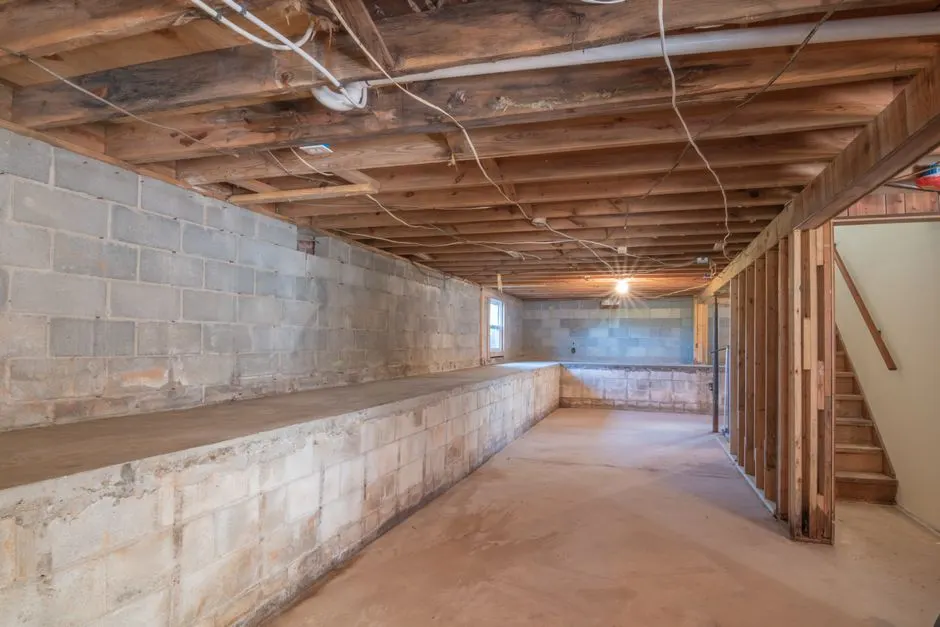
Empty basement with exposed wooden beams, concrete walls and stairs.
Licensed Licensed & Bonded
Fully Insured Insured & Bonded
24/7 Emergency Same-Day Response
Warranty Backed Workmanship Guaranteed

What Basement Water Extraction Includes

Our extraction visit covers initial safety and water-source checks, removal of accessible standing water, detail vacuuming, and moisture assessment of affected areas. We explain the condition of visible materials and whether drying equipment or additional cleanup is the logical next step. Sewage handling, demolition, repairs, and extended structural drying are separate work phases when the situation requires them; we discuss those needs directly rather than treating every flood as the same job.

Water Source Assessment

We look for the likely cause, such as a failed sump pump, leaking line, stormwater entry, or drain backup. Identifying the source helps us determine whether the water is clean or contaminated and how to protect the work area before extraction starts.

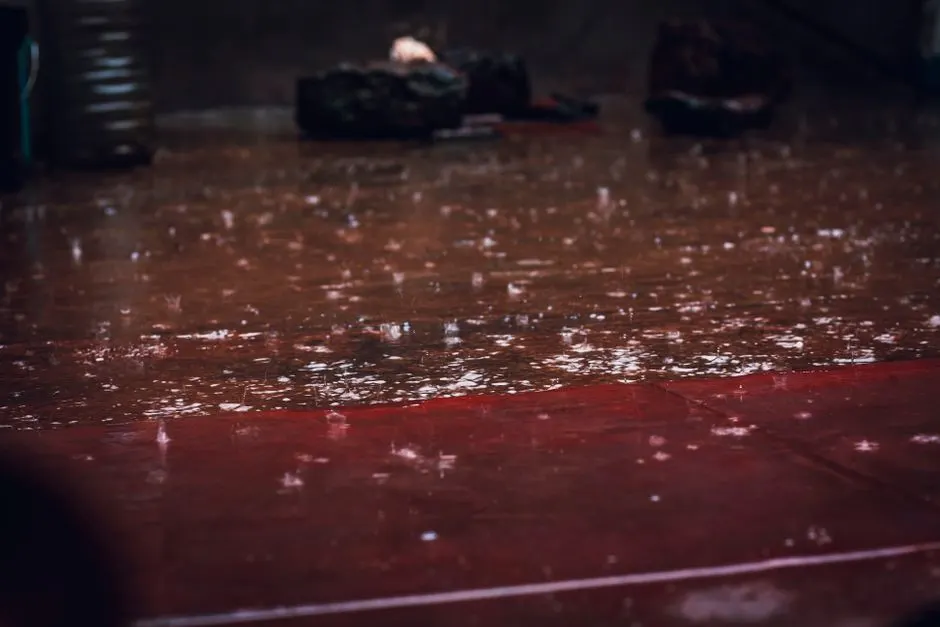
Bulk Water Pumping

We use suitable pumping equipment to remove standing water from the accessible basement floor. Equipment choice depends on depth, access, and water condition. As the water level falls, we adjust the setup to avoid leaving a broad layer behind.

Residual Water Removal

After pumping, we vacuum remaining water from low spots, floor edges, and reachable areas around appliances or stairs. This detail pass exposes more of the floor and makes it easier to check for water trapped beneath movable items.

Moisture Condition Check

Our crew takes readings on accessible affected materials and notes areas that remain wet. We look for signs that water has reached gypsum board, insulation, or framing. Those observations guide the drying plan and help you understand what is visible versus concealed.

Next-Step Explanation

We explain whether the basement needs air movement, dehumidification, specialized contamination cleanup, or further inspection. You receive a practical account of the work completed and the condition we observed, so the next decision follows the evidence rather than the appearance of a dry floor.

Basement Water Extraction in Michigan: The Work


Basement Water Extraction in Michigan is an emergency water-removal service that extracts standing water from a flooded basement and prepares affected materials for drying. We first identify the water source and assess depth, spread, and possible contamination. A submersible water pump or truck-mounted extraction unit removes bulk water; a wet/dry vacuum handles water left along edges and around obstacles. We then check concrete, carpet, gypsum board, and accessible framing, documenting moisture readings so the next drying steps address the actual wet areas rather than guesswork.

Michigan homes face winter freeze-thaw cycles, spring groundwater pressure, and summer storms that can overwhelm drainage systems. A sump pump failure, foundation wall seepage, burst or leaking water line, or sewage backup each calls for a different response; contaminated water needs controlled handling, not ordinary vacuuming. Our basement water pumping in Michigan removes water while we trace likely entry points and flag electrical hazards. If you need to remove standing water from a Michigan basement quickly, early extraction reduces the time porous materials stay wet and gives drying equipment a useful start.

What Happens During Extraction

Basement water pumping in Michigan starts with source and safety checks, then moves from bulk removal to detail work and drying measurements. We keep you informed at each stage and explain what the equipment is doing in your home.

01

Schedule

Call or book online — a real human picks up and confirms a 2-hour arrival window.

02

Diagnose

Licensed tech inspects on-site, then walks you through the cause and your options.

03

Fix

The job is completed to code and done right the first time — no shortcuts, no surprises.

04

Guarantee

Every job backed by a written workmanship warranty — and we stand behind it.

Equipment And Extraction Methods

Tools & Equipment

Submersible water pump

Removes bulk standing water from low areas and sump zones. We select placement and pumping approach according to depth, debris, and safe discharge conditions.

Truck-mounted extraction unit

Provides high-volume extraction for accessible larger losses. Its hose reach and capacity help remove water from multiple connected areas without relying solely on small portable equipment.

Wet/dry vacuum

Collects residual water after bulk pumping, including water along edges, around obstacles, and in low spots that a pump cannot clear completely.

Moisture meter

Checks affected materials and helps compare wet areas with unaffected reference points. Readings guide decisions about drying and whether more inspection is warranted.

Low-grain refrigerant dehumidifier

Removes moisture from the air after extraction, supporting the drying of affected basement materials. Placement follows the wet area and measured conditions.

Methods & Standards

Source And Water-Category Assessment

Before pumping, we determine whether water appears to come from a supply line, groundwater, stormwater, or a sanitary drain. The source affects protective measures, equipment, and what happens to porous materials. We also identify electrical hazards and ongoing inflow so extraction does not begin under unsafe conditions.

Progressive Bulk-To-Detail Extraction

We remove the deepest water first, then change tools as the water level falls. Pumps handle volume; wet/dry extraction captures remaining water along edges and around obstructions. This sequence exposes the floor for inspection and reduces the chance that a shallow layer remains outside the pump's reach.

Measured Structural Drying

After extraction, we use moisture readings to guide airflow and dehumidification. An axial air mover circulates air across affected surfaces, while a low-grain refrigerant dehumidifier removes moisture from the space. Follow-up readings show whether concrete, gypsum board, or accessible wood framing is moving toward dry conditions.

Controlled Contamination Handling

If water may contain sewage, we do not handle it as a clean-water event. We determine the appropriate protective measures, isolate the affected area, and use equipment suitable for contaminated water. Cleaning and material disposition follow the actual water condition, helping prevent contaminated residue from being carried into unaffected rooms.

When To Call For Extraction

01

You find two inches of water after a sump pump failure during a prolonged rainstorm.

What we do: We check the sump pit, confirm whether water is still entering, and make sure the work area is safe. A submersible pump removes bulk water; then we vacuum the perimeter and measure nearby materials. If the pump failure followed a power loss, we explain the immediate extraction steps separately from equipment repair.

→ The pooled water is removed, the affected floor is exposed, and you know whether nearby walls or stored items need additional drying or cleanup.

02

A frozen or burst water line leaves standing water near a furnace and electrical outlets.

What we do: We first assess the electrical hazard and source conditions, and we do not enter an unsafe wet area. Once the space is safe to work, our crew pumps and vacuums water from the floor, then checks the accessible wall and utility-area materials for moisture. We identify the affected footprint before drying begins.

→ Water is removed from the accessible area, hazards are addressed before work, and you have a measured basis for deciding what needs drying.

03

A floor drain backs up and leaves cloudy water and residue across a laundry room.

What we do: We treat the water as potentially contaminated until the source is assessed. Our technicians choose appropriate protective measures and pumping equipment, remove the liquid, and isolate affected materials for cleanup decisions. A sewage-rated pump is used when the water conditions call for it, not as a substitute for proper surface cleaning.

→ The water is removed with contamination considered, and the affected area is identified for the correct cleaning and material-handling steps.

04

Spring groundwater seeps through a foundation wall and collects under basement shelving.

What we do: We move access only as needed, extract pooled water, and inspect the exposed floor and wall edge. Moisture readings help us identify wet materials beyond the visible seep. We then position air movement or dehumidification where required and explain the observed entry area for follow-up drainage work.

→ The floor is cleared, vulnerable materials are checked, and you can distinguish immediate drying needs from longer-term water-entry repairs.

How Extraction Works Across Michigan

Basement Water Extraction in Michigan has to account for a broad range of weather and building conditions. As November gives way to winter, frozen or leaking lines can flood utility areas; spring thaw and heavy rain raise groundwater pressure and challenge sump systems. Summer storms can send water through foundation joints or overwhelm a drain. Older homes may have masonry or concrete foundations, while finished basements conceal gypsum board, insulation, and wood framing that need careful moisture checks. We adjust the response to the source and layout rather than assuming every basement is alike. In Warren and Eastpointe, a compact finished basement may require careful hose routing and access around appliances; in Wyoming and Kentwood, stormwater and sump issues can affect larger floor areas. Garden City homes may present different access and storage arrangements. Our Michigan basement water extraction service starts with safe access and water assessment, then uses pumping, detail extraction, and measured drying. If you need professional basement water extraction in Michigan, tell us whether water is clean, cloudy, or sewage-related and how deep it is; those facts help us prepare the right equipment.

Neighborhoods We Serve

  • Warren residential blocks

    Basements with utility equipment and stored contents need a clear path to the wet floor. We route hoses carefully and check around the sump and lower wall edges.

  • Wyoming home areas

    A storm-related loss can affect a broad basement footprint. We map the wet perimeter before pumping so the extraction and moisture checks cover the full affected area.

  • Kentwood residential areas

    Finished rooms and storage zones may require different handling. We separate accessible contents as needed and check flooring transitions where water can collect.

  • Eastpointe homes

    Water near a foundation wall or sump pit can spread behind stored items. We expose the perimeter where practical and measure affected materials after bulk removal.

Local Conditions We Plan For

  • Freeze-thaw weather increases winter pipe-break and seepage risks

    Cold conditions can lead to a sudden line leak in a basement utility area, while thawing can add groundwater pressure. We check the source and nearby electrical equipment before positioning extraction gear.

  • Spring storms and rising groundwater challenge sump systems

    A pump failure or overflowing pit can leave water across the floor and beneath stored belongings. We remove bulk water first, then inspect the sump area and nearby materials for residual moisture.

  • Older masonry foundations and finished walls conceal moisture

    Water may travel through masonry joints or behind gypsum board without leaving an obvious surface puddle. We use direct moisture checks on accessible materials and explain where concealed conditions may need further inspection.

Sump Pit Overflow Recovery

Before

A failed sump system left roughly three inches of water around the pit and across a storage area. Cardboard boxes were wet at the bottom, and the concrete floor was hidden. The homeowner could not tell whether water had reached the finished wall or stayed in the open section.

After

We pumped the standing water and vacuumed the remaining film along the floor edges. The exposed area allowed a moisture check of the nearby wall base and concrete. The customer could separate wet contents from unaffected storage and move into drying with the affected footprint identified.

Maintenance: Keep the sump pit accessible and check that the pump activates during a safe test. Clear debris from the pit, watch for unusual cycling, and arrange repair if the pump fails to discharge. A backup power plan can reduce risk during outages.

Before

After a hard rain, water seeped through a lower foundation joint and spread beneath shelves. The visible puddle covered about 120 square feet, but the wall edge remained blocked by stored items. A damp odor was starting near the corner.

After

Our crew removed the pooled water, cleared access to the wet perimeter, and checked the accessible wall base and floor. We placed drying equipment where readings showed moisture remained. The homeowner could see which materials were affected and which storage items had stayed above the waterline.

Maintenance: Keep stored items on raised shelving and leave a narrow inspection path along foundation walls. Check for recurring damp spots after heavy rain and maintain the sump area. Repeated seepage needs source correction after emergency water removal.

Before

A leaking line released water across the laundry-room floor and under a nearby storage cabinet. The homeowner shut off the supply but could not reach water beneath the appliance or determine whether the lower wall was wet.

After

We extracted the open water, vacuumed around the washer and cabinet edge, and measured accessible floor and wall materials. The immediate puddle was gone, and the homeowner had clear information about the remaining drying needs instead of relying on a dry-looking surface.

Maintenance: Check visible supply connections for drips and shut off the affected valve if a leak starts. Keep a clear route to the main shutoff and avoid storing paper goods on the floor. Have damaged lines repaired before returning contents to the area.

Problems We Solve With Fast Extraction

A flooded Michigan basement can hide water under finishes, around a sump pit, or behind stored belongings. We remove pooled water and check the affected footprint before damp materials have more time to deteriorate. For a serious flood, basement floodwater pumping and removal in Michigan is the practical first step toward cleanup and controlled drying.

Problem

Sump pump failure leaves water spreading across the basement floor

Water can reach stored belongings, electrical equipment, and finished wall edges. Continued inflow can deepen the loss and make safe access harder.

Our Fix

We identify the sump area, check water conditions and electrical hazards, then pump the floor with equipment suited to the depth. After bulk removal, we vacuum residual water near the pit and along the wall. We measure nearby materials and explain what needs drying, while you arrange repair or replacement of the failed pump.

Problem

Stormwater enters through foundation joints during heavy rain

Pooled water can soak carpet and lower wall materials, while hidden moisture remains after the visible floor looks clear. The source may continue to admit water during the storm.

Our Fix

We extract standing water and inspect the accessible perimeter for wet materials and visible entry points. Our crew uses moisture readings to distinguish a damp surface from deeper wetting and sets drying equipment where needed. We also explain what we observed so you can address drainage or foundation concerns after the immediate water is removed.

Problem

A sewage backup contaminates the basement and contents

Contaminated water can spread harmful residue across floors and porous materials. Ordinary pumping without appropriate handling can carry contamination into clean areas.

Our Fix

We assess the water category before choosing equipment and protective measures. When conditions require it, we use a sewage-rated pump and keep the affected zone controlled. We remove contaminated water and explain which surfaces need cleaning or removal, then coordinate the next cleanup steps rather than treating sewage as a routine water leak.

Problem

A burst line floods storage and finished basement rooms

Water can move quickly beneath flooring and into wall cavities, wetting insulation and framing that are not visible from the room. Delayed drying increases the chance of lingering odor and microbial growth.

Our Fix

We locate the affected footprint, remove standing water, and check accessible wall and floor materials with a moisture meter. We flag signs of concealed moisture and set drying equipment based on readings. You get a clear explanation of what extraction handled and whether opening or further inspection of finished materials is needed.

What Prompt Extraction Changes

What Prompt Extraction Changes

Basement flooding spreads beyond the visible puddle. We focus first on getting water out safely, then on measuring what remains so you know which materials need additional drying or removal.

  • Less Water, Less Spread

    A pump removes bulk water before it migrates farther beneath carpet, shelving, or stored items. For a flooded basement with several inches of water, we select pumping equipment for the depth and access, then switch to detail extraction as the level falls. That staged approach gets the floor exposed sooner and makes the remaining work easier to inspect.

  • Measured Drying Decisions

    We use a moisture meter to compare wet areas with unaffected material, rather than judging dryness by touch. You get a clearer picture of which sections of gypsum board, wood framing, or concrete need continued attention. Readings also help us identify hidden moisture in wall cavities before a damp smell or visible staining becomes the first warning.

  • Safer Water Handling

    Water from a drain or sewage backup needs a different setup from clean water entering through a failed supply line. We assess the source and use appropriate containment and pumping equipment, including a sewage-rated pump when the conditions call for it. That separation helps protect your household and prevents contaminated water from being spread through the work area.

  • A Clear Next Step

    Extraction is the first phase, not a promise that every wet material is already dry. We explain what was removed, which areas remain damp, and whether dehumidification or selective material removal is needed. If water has reached insulation or wall cavities, you can make decisions based on visible conditions and moisture readings instead of assumptions.

Training And Work Standards

Licensed & Certified

  • Water Damage Restoration Technician — issued by Institute of Inspection, Cleaning and Restoration Certification
  • Applied Structural Drying — issued by Institute of Inspection, Cleaning and Restoration Certification
  • Applied Microbial Remediation Technician — issued by Institute of Inspection, Cleaning and Restoration Certification
  • OSHA 10-Hour Construction Safety — issued by Occupational Safety and Health Administration

Verified Reviews

Customer feedback Not stated

A homeowner in Warren described a sump overflow that left water across the basement floor. The crew pumped the water, vacuumed the edges, and checked the wall base with a meter. The explanation of what remained wet helped the family understand why drying equipment was needed after the visible water was gone.

Customer feedback Not stated

After a line leak in Wyoming, a customer said the team cleared water near the laundry area and checked around the storage cabinet. They valued having the affected floor and lower wall inspected, rather than being told that a dry surface meant the whole basement was ready to use.

Customer feedback Not stated

A Garden City homeowner called after stormwater entered near a foundation wall. The crew extracted the puddle, checked the wet perimeter, and explained the difference between pumping and structural drying. The homeowner said knowing which materials needed further attention made the next steps easier to plan.

Water Removal Knowledge And Training

Our local experience covers flooded basements, pump failures, stormwater intrusion, and water-line breaks in Michigan homes. We use restoration practices informed by IICRC Water Damage Restoration Technician (WRT) and IICRC Applied Structural Drying (ASD) principles, with the work matched to the water category and building materials. Our technicians distinguish water extraction from structural drying, document moisture conditions, and choose equipment for the affected area. You get a practical explanation of what is wet, what is being removed, and what needs to happen next.

  • We assess clean-water leaks separately from sewage backup, because contamination changes protective measures, equipment selection, and the handling of affected contents.
  • Moisture-meter readings help us track concrete, gypsum board, and accessible wood framing instead of relying on surface appearance alone.
  • Our crew plans around electrical equipment and follows NFPA 70E electrical safety practices when water is near circuits or appliances.
  • We use IICRC WRT and ASD principles to guide extraction, drying setup, and documentation of water-damaged building materials.
  • When wet insulation or concealed cavities are involved, we explain the evidence and the practical options before the drying plan advances.
Get Started Today
Water Removal Knowledge And Training

Basement Water Extraction Questions

Real answers to the questions we hear most often from local homeowners and property managers.

How does professional basement water extraction work in Michigan?
Professional extraction starts with a source, contamination, and electrical safety check, followed by water-depth mapping and pumping. We use a submersible pump or truck-mounted extraction unit for bulk water, then a wet/dry vacuum for residual water. Moisture readings guide the next drying steps. A simple accessible basement may take a few hours to extract, while contaminated water or multiple rooms require additional handling.
How much does basement water pumping cost in Michigan?
A typical residential extraction job costs about $500 to $2,500 in 2026, depending on water depth, area, contamination, and equipment needs. A small clean-water loss may fall below that range, while sewage or extensive multi-room flooding can cost more. We give upfront pricing after assessing the water and affected materials. Drying equipment, content handling, and removal of damaged materials can change the total.
How quickly can standing water be extracted from a Michigan basement?
For an accessible basement with ordinary water depth, bulk extraction often takes one to three hours after setup. A large footprint, several inches of water, debris, or a sewage backup can extend the work to most of a day. We begin by making the area safe, then pump and detail-extract. Structural drying follows and often runs for several days, with readings guiding progress.
Is basement water extraction near me available after a flood?
Yes, our Michigan service covers emergency basement water extraction for Michigan homes after floods, pump failures, and burst lines. Call +18668968166 and tell us your city, water depth, and suspected source so we can understand the situation. If water is near electrical panels or outlets, stay out of the wet area and contact emergency services or your utility for an immediate electrical hazard.

Related Basement Services

Basement Water Removal

Water extraction removes the standing water; broader basement water removal addresses the cleanup around it. We can help identify affected contents and surfaces, clear remaining water, and connect the work to drying so the basement is not left damp after pumping.

View Basement Water Removal

Emergency Basement Flood Cleanup

When a storm, broken line, or failed pump floods your basement, emergency cleanup coordinates extraction with immediate hazard control. We remove water, assess contamination, and identify wet materials so you can move from the urgent response to a defined cleanup plan.

View Emergency Basement Flood Cleanup

Basement Flood Damage Cleanup

Once standing water is out, flood damage cleanup addresses residue, affected contents, and materials that cannot be dried in place. We inspect the exposed surfaces and help determine whether cleaning, drying, or selective removal is appropriate for the water source.

View Basement Flood Damage Cleanup

Basement Drying and Dehumidification

Extraction gets rid of pooled water, but moisture remains in floors and building materials. Drying and dehumidification use directed airflow and moisture removal, with readings to track progress. We place equipment according to the wet area rather than filling the room without a plan.

View Basement Drying and Dehumidification

Basement Structural Drying

When water reaches framing, wall cavities, or insulation, structural drying focuses on those materials after extraction. We assess accessible areas, monitor moisture, and set airflow and dehumidification to reduce retained moisture before rebuilding decisions are made.

View Basement Structural Drying

Basement Sewage Cleanup

A sewage backup is not treated like clean groundwater. Sewage cleanup uses appropriate protective measures, controlled removal, and cleaning of contaminated surfaces. We determine whether a sewage-rated pump is needed and keep the handling plan separate from ordinary water extraction.

View Basement Sewage Cleanup

Get Basement Water Extraction in Michigan

Standing water damages materials with every hour it remains. Call our Michigan crew at +18668968166, describe the source and depth, and we will help you take the next step. Our technicians use moisture measurements to guide extraction and drying.

Call Now Request Service

Call For Basement Help

Call +1 866-896-8166 when your basement floods, a sump pit overflows, or a leak keeps feeding water onto the floor. Our phone line takes requests around the clock, and we connect you with independent companies serving Michigan. Share your city, the water source, and whether the water is still rising; those details help direct your request.

Or call us right now at +18668968166 — we answer.

Michigan Basement Water Removal Pros


  • Phone

    +18668968166
  • Address

    Michigan

  • Hours

    Mon–Fri: 7AM – 7PM
    Sat: 8AM – 4PM
    Sun: Emergency Only
    24/7 Emergency Available

Call +18668968166 Get Quote
Call Quote