

Logo
Get Estimate

Basement Flood Damage Cleanup in Michigan

We remove water, dry materials, and address damage


Basement Flood Damage Cleanup in Michigan helps homeowners facing stormwater, groundwater, plumbing leaks, or sewage intrusion. Our team extracts standing water, checks affected materials, and sets up drying so you can move from an emergency toward a clean, usable basement. If water is still entering, call us now; the source and the water category guide the safest next steps.

A black and white photo depicting flood cleanup efforts in an urban setting, showcasing resilience.
Licensed Licensed & Bonded
Fully Insured Insured & Bonded
24/7 Emergency Same-Day Response
Warranty Backed Workmanship Guaranteed

What's Included in Flood Cleanup

Basement flood cleanup covers the immediate water damage response: source assessment, extraction, affected-surface cleaning, drying equipment, and moisture checks. We identify damaged materials and explain the next repair steps. Plumbing repairs, foundation work, and replacement finishes are separate projects when needed; we make that distinction clear so you know which work addresses the flood and which work corrects its cause.

Water Source Assessment

We inspect the affected area to identify likely entry points and water category, including a leaking line, groundwater seepage, stormwater intrusion, or sewage backup. This determines the safe handling approach and helps us target cleanup where water traveled, not only where it pooled.
Standing Water Extraction

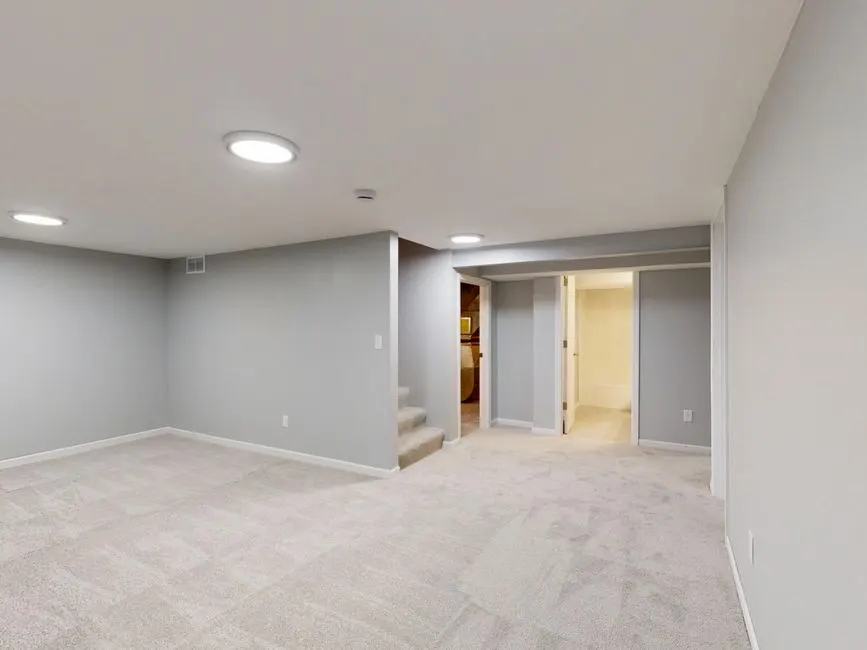
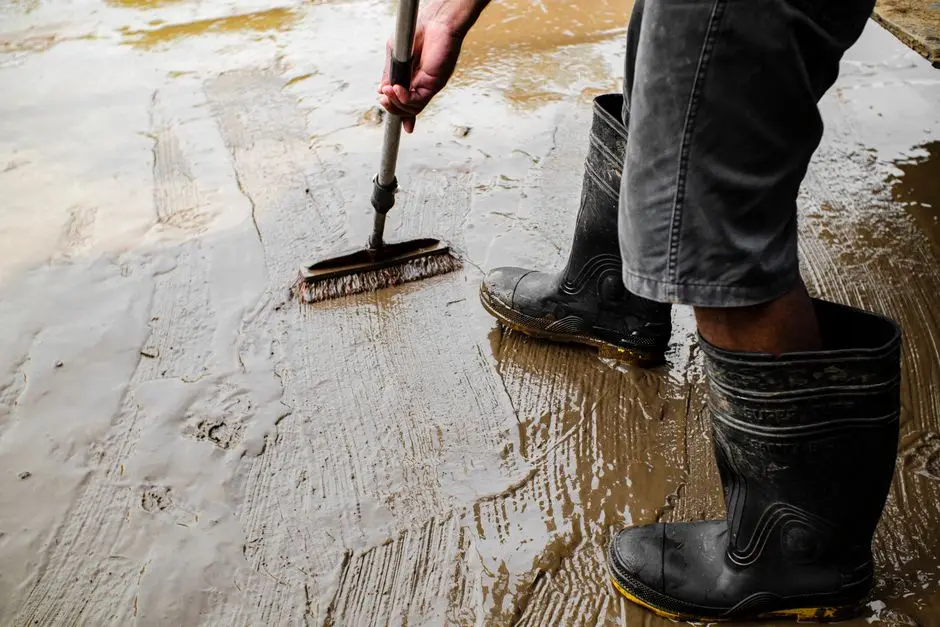
We remove accessible water with equipment suited to its depth and volume, then check low points for remaining pooling. Clearing bulk water allows cleaning and drying to begin. We also note water that has moved beneath flooring or into accessible cavities.

Surface Cleaning

We remove debris and clean affected surfaces using methods appropriate to the water source and material. Contaminated water receives a more controlled response than a clean plumbing leak. Cleaning is followed by drying so moisture is not left trapped on or behind the affected surfaces.

Drying and Monitoring

We set air movement and dehumidification equipment where it can serve the affected area, then check moisture readings as the work progresses. Equipment may need adjustment as materials dry. We explain how long it should remain in place based on observed conditions.

Damage and Repair Guidance

We identify materials that appear salvageable and those that are saturated, damaged, or contaminated. Wet insulation and compromised gypsum board need particular attention because moisture can remain hidden. You receive practical information about further repairs after the active cleanup and drying work.

Basement Flood Damage Cleanup in Michigan


Basement Flood Damage Cleanup in Michigan is a water damage service that removes floodwater, cleans affected surfaces, and dries building materials after a basement has been flooded. We start by identifying the water source and category, then use extraction equipment, moisture readings, and a room-by-room inspection to plan the work. Concrete floors, masonry walls, wood framing, insulation, and gypsum board each respond differently to moisture. Our goal is to remove water promptly, limit unnecessary demolition, and document what needs further repair.

Michigan basements face winter pipe failures, spring groundwater seepage, and heavy-rain stormwater intrusion. A sump pump failure or sump pit overflow can leave water under stored items and behind finished walls before it is visible. We provide basement flood damage restoration in Michigan for these situations, including cleanup and repair after basement flooding in Michigan when wet materials need removal, treatment, or drying. Sewage backup requires separate protective procedures because contaminated water is not handled like a clean supply-line leak.

What Happens During Cleanup

Basement flood cleanup follows a sequence: stop active water entry where safe, assess the affected area, extract water, clean, then dry and verify. We explain each step as we work so you know what is happening in your home.

01

Schedule

Call or book online — a real human picks up and confirms a 2-hour arrival window.

02

Diagnose

Licensed tech inspects on-site, then walks you through the cause and your options.

03

Fix

The job is completed to code and done right the first time — no shortcuts, no surprises.

04

Guarantee

Every job backed by a written workmanship warranty — and we stand behind it.

Equipment and Drying Methods

Tools & Equipment

Submersible water pump

We use a submersible water pump to remove deeper standing water from a basement floor or sump area. Pump selection depends on water depth, access, and whether the water is contaminated.

Truck-mounted extraction unit

A truck-mounted extraction unit provides high-volume water removal for larger flooded areas. We use it where access and hose routing allow, then follow with detailed extraction and drying checks.

Moisture meter

We use a moisture meter to compare readings in materials such as gypsum board and wood framing over time. Those readings guide drying adjustments and help identify areas that need closer inspection.

Thermal imaging camera

A thermal imaging camera helps locate temperature patterns that can indicate areas for additional investigation. We confirm suspicious areas with direct moisture checks rather than treating an image as a moisture measurement.

Dri-Eaz dehumidification equipment

Dri-Eaz equipment can support controlled drying by removing moisture from basement air. We match equipment placement to the room and material conditions, then monitor progress instead of relying on a fixed run time.

Methods & Standards

Water category assessment

We identify whether the water came from a clean supply, an outdoor source, or sewage before selecting cleaning and disposal procedures. The source matters: stormwater and sewage carry different contamination concerns than a supply-line leak. This assessment also guides decisions about porous materials and personal safety.

Measured structural drying

We use planned air movement and dehumidification to dry affected building materials, then track moisture readings over follow-up checks. If readings stall or concealed moisture is suspected, we reconsider equipment placement or inspect further. Drying ends when measurements and material condition support the decision, not simply when the room feels comfortable.

IICRC-aligned restoration practice

Our process draws on IICRC Water Damage Restoration Technician principles for assessment, extraction, cleaning, and drying. The work remains specific to the site: water source, exposure duration, material type, and access all shape the response. We explain those factors so you can follow the reason for each step.

When to Call for Cleanup

01

A frozen supply line breaks overnight and water runs across a finished Michigan basement.

What we do: We assess electrical hazards and the water source, extract the standing water, and inspect the lower edges of walls and flooring. We check for moisture beyond the visible wet area, then explain which materials can be dried and which need removal. The plumbing leak itself must be stopped before cleanup can be completed.

→ You get a cleared floor, a targeted drying plan, and a clearer account of damage behind visible surfaces.

02

Spring rain raises groundwater and water enters through a floor joint or foundation wall.

What we do: We remove pooled water, clean the affected concrete or masonry, and check nearby stored belongings and wall materials. We document the visible path and explain whether moisture remains after extraction. If seepage continues, we distinguish interior flood cleanup from the drainage or foundation correction needed to reduce repeat entry.

→ The immediate water is addressed, and you know what interior drying remains and what source-control work may follow.

03

A sump pump stops during a storm and the pit overflows into a utility area.

What we do: We pump out water, clear affected debris, and inspect the floor and adjacent materials for spread. Where needed, we set drying equipment and return for moisture checks. We also note whether water reached electrical equipment or stored supplies, so affected items can be handled safely.

→ The utility area is cleaned and placed on a measured drying path while the failed pump is addressed separately.

04

A floor drain backs up and leaves sewage-contaminated water in a basement laundry room.

What we do: We treat the water as contaminated, restrict access to the affected area, and remove water and debris using suitable equipment. We clean impacted surfaces and evaluate porous materials for removal. After cleaning, we dry remaining materials and explain what repair or replacement work is still needed.

→ Contaminated water and debris are removed through a controlled cleanup, with damaged materials identified for follow-up.

How Flood Cleanup Works Across Michigan

Michigan's long freeze season raises the risk of frozen or split water lines, while November rain and winter thaw can keep groundwater high around foundation walls. Older homes may have masonry foundations and unfinished utility basements; newer finished spaces often conceal fiberglass batt insulation and gypsum board. We adapt inspection and drying to the assembly rather than assuming every basement is built the same way. Basement flood damage restoration in Michigan starts with water-source assessment, safe extraction, and moisture checks in both visible and accessible concealed materials. A low-grain refrigerant dehumidifier and axial air mover may be used where conditions support controlled drying. Electrical hazards matter: we keep clear of energized equipment and follow NFPA 70E electrical safety practices. Local residential code and permit requirements can vary with the repair scope, so structural, plumbing, or electrical alterations should be handled by appropriately licensed trades. For frozen pipes, stormwater intrusion, or groundwater seepage, we separate immediate interior cleanup from the work needed to correct the source.

Neighborhoods We Serve

  • Older masonry basements

    Masonry walls can show dampness beyond the pooled area. We check the wall-floor junction and nearby materials before deciding whether drying in place is appropriate.

  • Finished lower levels

    Finished rooms can hide wet insulation and moisture behind gypsum board. We inspect visible signs and use readings to determine where further access may be needed.

  • Utility and sump areas

    Water around a sump pit, furnace, or electrical panel needs careful access planning. We keep hazards in view before setting pumps and air-moving equipment.

Local Conditions We Plan For

  • Freeze-thaw cycles stress supply lines and foundation joints

    A pipe can fail during a cold snap, while thawing ground and rain can increase seepage. We address the interior water first and identify whether the source is still active.

  • Heavy rain can overwhelm sump systems and floor drains

    When water rises quickly, the source may involve both a sump failure and stormwater pressure. We distinguish clean water from contaminated drain backup before choosing extraction and cleaning procedures.

  • Mixed-age housing has varied wall and floor assemblies

    Older concrete or masonry basements differ from finished rooms with concealed insulation and wood framing. We adjust inspection and drying to the materials present and avoid assuming one method fits every home.

Sump Overflow Cleared

Before

A sump pit overflow left several inches of water across a storage room. Cardboard boxes sat on the floor, the lower wall edges were wet, and water had reached the area beneath a shelving unit. The homeowner could not tell whether the wall materials were only damp on the surface or wet inside.

After

We extracted the pooled water, removed debris, and checked the lower wall area with moisture readings. Drying equipment was positioned to move air across the affected materials, and a follow-up check tracked the change. The room was left with a clear record of which items and materials needed further attention.

Maintenance: Test the sump pump according to its manufacturer instructions and keep the pit clear of debris. Check that discharge is directed away from the foundation, and move cardboard or valuables onto shelving above floor level.

Before

After heavy rain, water seeped through a basement wall and collected along the concrete floor. Stored items were damp, and a finished partition nearby showed discoloration at its base. The visible puddle covered only part of the area, leaving uncertainty about how far the moisture had traveled.

After

We removed standing water, cleaned the exposed masonry, and checked the nearby finished wall and stored items. Targeted moisture readings helped identify the area requiring drying. The homeowner received a practical distinction between the interior cleanup completed and the exterior drainage issue that needed separate correction.

Maintenance: Keep foundation-adjacent drainage paths clear and inspect the basement after significant rain. If the same wall becomes damp again, record where water appears and arrange source correction rather than relying on repeated interior drying alone.

Before

A leaking line wet the floor beneath a laundry area and spread into an adjacent finished room. The visible water was removed with household towels, but the lower gypsum board and insulation remained suspect. The owner needed to know whether drying alone would work or wall materials needed attention.

After

We extracted remaining water, checked the lower wall and floor edges, and identified areas for further inspection. Wet materials were evaluated separately from surfaces that could remain. Air movement and dehumidification supported drying, while follow-up readings helped determine whether moisture levels were improving.

Maintenance: Check exposed supply connections and laundry hoses for leaks, corrosion, or bulging. Keep the shutoff accessible, and respond promptly to a drip so water does not travel beneath flooring or into a finished wall.

Solve Common Michigan Basement Flood Problems

Basement flooding leaves more than a wet floor: it can hide moisture in wall cavities, damage stored items, and introduce contamination. We find the affected areas, remove water, and begin the right cleanup sequence. Early action helps you avoid making repair decisions based only on what is visible.

Problem

Sump pump failure leaves pooled water across the basement floor

Standing water can spread beneath stored items and flooring, soak lower wall materials, and leave concealed moisture after the visible pool is gone.

Our Fix

We remove standing water with suitable extraction equipment, inspect the area around the sump pit, and check nearby materials for moisture. We clean affected surfaces and establish drying where needed. We also identify the pump failure as the likely source so you can arrange the appropriate pump repair or replacement.

Problem

Stormwater seeps through a foundation wall after heavy rain

Repeated seepage can wet masonry, stored belongings, and finished wall assemblies, while water may collect in low areas far from the entry point.

Our Fix

We trace the visible water path, extract pooled water, and inspect the affected wall and floor junction. We clean and dry the impacted area, using moisture readings to check progress. If the entry remains active, we explain that drainage or foundation correction is a separate step from interior cleanup.

Problem

Sewage backup leaves contaminated water and debris behind

Contact with contaminated water can expose occupants and belongings to unsanitary material, and porous items may not be suitable for cleaning and reuse.

Our Fix

We handle sewage-affected areas as contaminated, remove affected debris, and use equipment and cleaning methods appropriate to the water category. We keep the work focused on safe removal and cleaning, then dry surfaces that can remain. We explain which porous materials require removal rather than surface treatment.

Problem

A leaking water line wets insulation behind finished walls

Water can travel along framing and remain trapped in insulation or wall cavities even after the basement floor is dry, delaying repairs and causing further material damage.

Our Fix

We locate the apparent spread, use moisture checks and targeted inspection to assess concealed areas, and extract water from accessible locations. We identify wet insulation or damaged gypsum board that needs removal, then position drying equipment for exposed materials. A plumbing professional must stop or repair the active leak.

Practical Outcomes After Flooding

Practical Outcomes After Flooding

The right cleanup plan is based on what got wet, how long it stayed wet, and where the water came from. We explain the immediate priorities, separate salvageable materials from damaged ones, and keep you informed as the basement dries.

  • Water Out Promptly

    We use pumps and extraction equipment suited to the water depth and access, then check low points where water collects. Removing standing water quickly helps protect flooring, stored belongings, and the bottom edges of finished walls. For a small leak, a wet/dry vacuum may be enough; deeper flooding calls for higher-capacity extraction.

  • Drying With Measurements

    We track moisture in affected materials instead of relying on a dry-looking surface. A moisture meter helps compare readings in drywall, framing, and other materials over successive checks. You get a clearer picture of what is drying and what needs attention, rather than an arbitrary promise that the room is dry after one visit.

  • Contamination Handled Safely

    Floodwater from a sewage backup or an uncertain source calls for controlled handling, suitable protective equipment, and cleaning products selected for the material. We isolate affected areas as needed and address debris and contaminated surfaces before drying. This keeps cleanup decisions tied to the water category, not just the appearance of the floor.

  • A Clear Repair Path

    After extraction and drying checks, we identify materials that can remain and those that need removal or repair. That may include wet basement insulation, swollen gypsum board, or damaged trim. You can plan the next work with a practical record of affected areas and moisture conditions rather than guessing behind a finished wall.

Training and Work Standards

Licensed & Certified

  • Water Damage Restoration Technician — issued by Institute of Inspection, Cleaning and Restoration Certification
  • Applied Structural Drying — issued by Institute of Inspection, Cleaning and Restoration Certification
  • Applied Microbial Remediation Technician — issued by Institute of Inspection, Cleaning and Restoration Certification
  • OSHA 10-Hour Construction Safety — issued by Occupational Safety and Health Administration

Verified Reviews

Customer feedback Not stated

A Sterling Heights homeowner described a sump overflow that soaked a storage room. The crew removed standing water, checked wall edges, and returned to measure moisture instead of relying on how the concrete looked. The account highlights the practical steps involved in a complete cleanup.

Customer feedback Not stated

A Battle Creek homeowner reported a supply-line leak in a finished basement. The team extracted water, identified damp wallboard, and set up drying equipment. The customer valued having the affected materials explained clearly before deciding what repairs to address next.

Customer feedback Not stated

A Bay City homeowner shared that stormwater entered along a basement wall after heavy rain. Cleanup included extraction and inspection of stored items, followed by an explanation of the separate work needed to address the entry point. That distinction helped the owner plan the next repair.

Training for Water Damage Work

Basement flood response calls for sound water-category decisions, controlled extraction, and measured structural drying. Our team follows recognized restoration practices and uses job-specific checks rather than guessing from surface appearance. Technicians with IICRC Water Damage Restoration Technician training understand the distinctions among water sources and affected materials; additional drying or microbial-remediation credentials apply where the work requires them. We do not claim a set number of years or jobs completed. We focus on explaining the damage, doing the necessary cleanup, and recording the conditions that guide the next step.

  • IICRC Water Damage Restoration Technician training supports water-category assessment, extraction decisions, and practical drying procedures.
  • IICRC Applied Structural Drying training informs equipment placement and moisture monitoring when structural materials need controlled drying.
  • IICRC Applied Microbial Remediation Technician training is relevant when water damage requires microbial remediation procedures.
  • OSHA 10-Hour Construction Safety training supports hazard awareness around equipment, debris, and active job sites.
  • We use moisture readings, visual inspection, and clear customer updates to guide decisions about materials and follow-up work.
Get Started Today
Training for Water Damage Work

Flood Cleanup Questions

Real answers to the questions we hear most often from local homeowners and property managers.

What does basement flood damage cleanup include in Michigan?
It includes water-source assessment, standing-water extraction, cleaning, drying setup, and moisture checks. We first determine whether the water came from a clean supply line, groundwater, stormwater, or sewage, because that affects protective measures and material decisions. The work may also include removal of unsalvageable wet insulation or wallboard. A moisture meter helps us track drying in affected materials rather than judging by surface appearance alone.
How much does basement flood damage restoration cost in Michigan?
In 2026, a limited extraction and drying job may cost about $500-$1,500, while extensive or contaminated flooding can range from $2,000 to $8,000 or more. The water depth, room size, source, material removal, and drying duration affect the total. We explain the work and pricing upfront before proceeding. Structural repairs and replacement finishes are separate from emergency cleanup when they require additional trades or materials.
Who handles flooded basement cleanup and repairs near me?
Michigan Basement Water Removal Pros handles extraction, cleanup, and drying for flooded basements across Michigan. We assess the water source, remove standing water, clean affected surfaces, and identify materials that need repair or replacement. If you are searching for basement flood damage restoration near me in Michigan, call +18668968166 and tell us where water entered, how deep it is, and whether a sump pump or drain is involved.
How soon should flood damage mitigation begin in a Michigan basement?
Begin water removal as soon as it is safe, ideally within 24 hours of discovery. Longer saturation increases the chance that porous materials such as insulation and gypsum board will need removal, while hidden moisture can remain after the floor looks dry. Keep people away from water near electrical equipment and do not enter contaminated floodwater. Call us for emergency basement flood damage cleanup for Michigan homes and describe any active water entry.

Related Basement Services

Basement Water Removal

When water is still on the floor, extraction is the first priority. We remove standing water from the basement and low spots, then assess what remains wet. This service connects directly to flood cleanup by clearing the water that prevents cleaning and drying from beginning.

View Basement Water Removal

Emergency Basement Flood Cleanup

A sudden pipe break, storm surge, or overflowing sump pit needs immediate attention to limit spread. We assess hazards, remove water, and start the appropriate cleanup sequence. This emergency service addresses the urgent first phase before detailed drying and repairs.

View Emergency Basement Flood Cleanup

Basement Water Extraction

Extraction removes water from floors, carpet, and accessible low areas using equipment sized to the job. It is a core part of flood cleanup, especially when a basement has too much water for household equipment. We follow extraction with cleaning and drying checks.

View Basement Water Extraction

Basement Drying and Dehumidification

After bulk water is removed, drying equipment helps reduce moisture in the room and affected materials. We position air movers and dehumidification equipment based on the layout and monitor progress. This work helps prepare the basement for repair or safe return to normal use.

View Basement Drying and Dehumidification

Basement Structural Drying

Water can remain inside framing, wall cavities, and other building assemblies after visible surfaces dry. Structural drying uses planned airflow and moisture monitoring to address those concealed areas. We assess what can be dried in place and explain when opening a wall is necessary.

View Basement Structural Drying

Basement Sewage Cleanup

A sewer backup introduces contamination that requires more than ordinary water extraction. We use controlled handling, remove affected debris, and clean impacted surfaces using methods suited to the water category. This service addresses the contaminated portion of flood cleanup before drying and repair.

View Basement Sewage Cleanup

Call for Basement Flood Damage Cleanup

Basement Flood Damage Cleanup in Michigan starts with a clear account of the water source and immediate hazards. Our team provides upfront pricing and explains the cleanup steps. Call +18668968166 now to arrange service for your flooded basement.

Call Now Call for Cleanup

Call For Basement Help

Call +1 866-896-8166 when your basement floods, a sump pit overflows, or a leak keeps feeding water onto the floor. Our phone line takes requests around the clock, and we connect you with independent companies serving Michigan. Share your city, the water source, and whether the water is still rising; those details help direct your request.

Or call us right now at +18668968166 — we answer.

Michigan Basement Water Removal Pros


  • Phone

    +18668968166
  • Address

    Michigan

  • Hours

    Mon–Fri: 7AM – 7PM
    Sat: 8AM – 4PM
    Sun: Emergency Only
    24/7 Emergency Available

Call +18668968166 Get Quote
Call Quote