Logo
Get Estimate

Basement Sewage Cleanup in Michigan

We remove sewage, disinfect surfaces, and dry your basement


Basement Sewage Cleanup in Michigan gives homeowners and property managers a direct response to sewage backups, contaminated water, and soaked building materials. Our team removes sewage, cleans affected surfaces, and measures moisture before setting drying equipment. If a floor drain overflows or a sewer line backs up, keep people and pets out of the basement and call us at +18668968166.

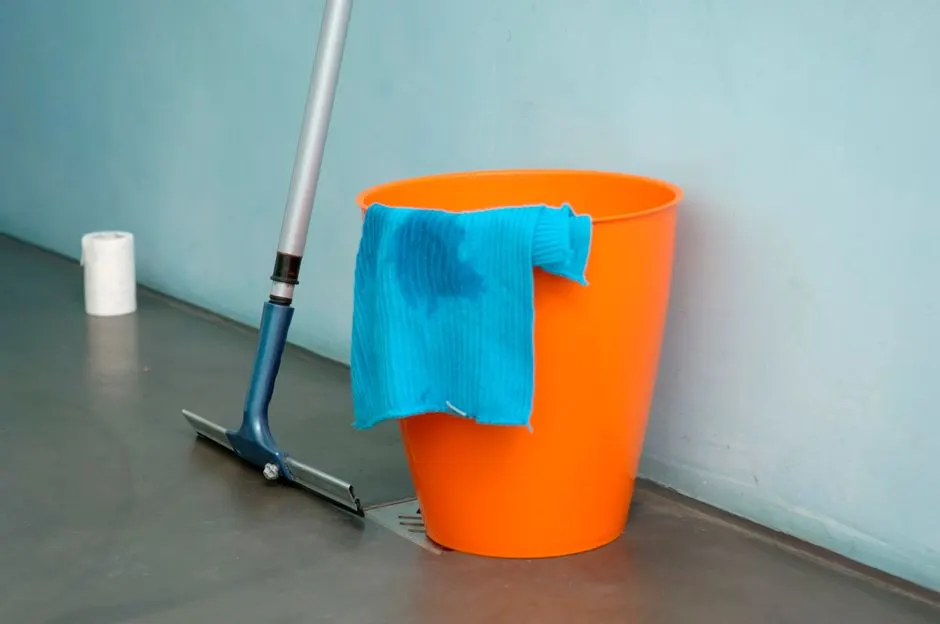
Close-up of cleaning supplies including orange bucket, mop, and blue rag indoors.
Licensed Licensed & Bonded
Fully Insured Insured & Bonded
24/7 Emergency Same-Day Response
Warranty Backed Workmanship Guaranteed

What Basement Sewage Cleanup Includes

Our service covers assessment, contaminated-water extraction, sorting and removal of unsalvageable materials, cleaning, disinfection, and drying checks for affected areas. We tailor the plan to your basement and the water source. Plumbing repairs, replacement flooring, and reconstruction are separate work when the backup has damaged systems or finishes beyond cleanup.

Water And Damage Assessment

We inspect the visible backup path, standing-water depth, affected surfaces, and immediate safety concerns. Moisture readings help locate wet materials beyond the obvious puddle. You get a clear explanation of which areas are contaminated and what the cleanup sequence will address.
Contaminated Water Extraction

Our crew removes sewage and wastewater using a sewage-rated pump, truck-mounted extraction unit, or other suitable equipment. We work from the deepest accessible water toward remaining pockets, limiting tracking and keeping contaminated equipment out of clean areas.

Surface Cleaning And Disinfection

We remove visible soil before applying an appropriate disinfectant to salvageable hard surfaces. Concrete, masonry, and other materials are treated according to their condition and product directions. Disinfection does not replace removal of porous materials that have absorbed sewage.

Affected Material Removal

When contamination reaches porous materials, our crew removes affected sections such as carpet padding, damaged gypsum board, or wet insulation. We keep cuts controlled and inspect behind the material so hidden moisture and residue are not left in the assembly.

Drying And Moisture Checks

After cleanup, we position drying equipment and check moisture levels in affected surfaces and framing. A low-grain refrigerant dehumidifier can support drying in enclosed basement spaces. We use progress readings to decide when the structure has reached the appropriate drying condition.

Basement Sewage Cleanup in Michigan: The Work


Basement Sewage Cleanup in Michigan is a contamination-removal and structural-drying service that restores areas affected by a sewage backup. We isolate the work zone, extract contaminated water with a sewage-rated pump or truck-mounted extraction unit, and remove porous materials that cannot be safely cleaned. Our crew then washes and applies disinfectant to salvageable surfaces, checks hidden moisture with a meter, and sets drying equipment where needed. Concrete and masonry need a different approach than gypsum board, insulation, or wood framing; we assess each material before deciding what can stay.

Michigan basements face winter freeze-thaw cycles, spring snowmelt, and heavy rain that can overwhelm drains or expose existing foundation wall seepage. A sump pump failure, sump pit overflow, or leaking sewer connection can turn a finished room into a contamination hazard within minutes. Our Michigan sewage-contaminated basement restoration work starts with stopping the source when it is within our service scope, then removing affected contents and wastewater. For professional basement sewage cleanup in Michigan, call as soon as sewage is visible; waiting lets moisture spread into wall cavities and floor assemblies.

What To Expect From Cleanup

Basement sewage remediation in Michigan follows a controlled sequence: protect people, remove contaminated water, clean salvageable surfaces, and dry the structure. We explain the next step before equipment moves into your home. Many small, accessible jobs take one to three days, while extensive demolition or drying takes longer.

01

Schedule

Call or book online — a real human picks up and confirms a 2-hour arrival window.

02

Diagnose

Licensed tech inspects on-site, then walks you through the cause and your options.

03

Fix

The job is completed to code and done right the first time — no shortcuts, no surprises.

04

Guarantee

Every job backed by a written workmanship warranty — and we stand behind it.

Equipment And Cleanup Methods

Tools & Equipment

Sewage-rated pump

We use a sewage-rated pump to remove contaminated standing water and debris from a basement or sump pit. Pump selection depends on access, depth, and the amount of solids present.

Truck-mounted extraction unit

This equipment supports high-volume water removal when a basement contains substantial wastewater. We use it to reduce standing water before detail extraction and surface cleaning.

Moisture meter

A moisture meter checks affected building materials during assessment and drying. Repeated readings help us track progress in framing, gypsum board, and other accessible substrates.

Thermal imaging camera

We use thermal patterns to identify areas that warrant closer moisture inspection. The camera guides targeted checks; it does not replace direct measurement of the material.

Dri-Eaz dehumidification equipment

Dri-Eaz equipment can support controlled drying after contaminated surfaces have been cleaned. We place dehumidification based on the room conditions and monitor the affected materials.

HEPA air scrubber

A HEPA air scrubber helps manage airborne particles in a contained work area during removal and cleaning. It supports the work zone but does not replace extraction, washing, or disinfection.

Methods & Standards

Source and contamination assessment

We determine whether the event involves sewage, stormwater, or groundwater before selecting the cleanup method. The distinction matters: sewage requires contamination controls, while water near electrical equipment requires an added safety assessment. We also record the visible water path and material types.

Remove, clean, then disinfect

Our sequence begins with removing contaminated water and unsalvageable porous material. We wash remaining surfaces to remove soil, then apply disinfectant according to product instructions. Reversing those steps leaves residue under the treatment and weakens the cleanup.

Measured structural drying

We place air movement and dehumidification to reach wet materials, then revisit moisture readings as conditions change. The drying plan accounts for basement access, wall construction, and the extent of water migration. Equipment stays until readings show the affected materials have dried appropriately.

Controlled work-zone practices

We separate contaminated work areas from clean parts of your home, manage equipment movement, and use protective procedures during extraction and removal. Where older finishes could be disturbed, EPA Lead-Safe Certification practices apply as required. This reduces cross-contamination while keeping the work organized.

When Cleanup Is Needed

01

A basement floor drain overflows after several hours of heavy rain and wastewater reaches stored boxes.

What we do: We assess whether the water is sewage or stormwater, isolate the affected area, and remove the contaminated liquid with suitable extraction equipment. We sort affected contents, clean salvageable hard surfaces, and check floor edges and wall bases for moisture.

→ You get contaminated water out of the basement and a clear account of what can be cleaned, what needs removal, and which areas require drying.

02

A frozen or leaking drain line releases sewage into a finished basement during a cold-weather thaw.

What we do: We map the water path from the release point, check for electrical hazards, and extract wastewater before it spreads farther. If drywall or insulation absorbed sewage, we remove the affected section and clean exposed framing and masonry.

→ The affected area is cleaned and monitored for moisture, while you can arrange the plumbing repair needed to prevent another release.

03

A sump pit overflows overnight and leaves a contaminated strip across the basement floor.

What we do: Our crew inspects the pit, determines the water condition, and pumps out standing liquid. We clean the floor and nearby surfaces, inspect stored items and wall edges, then use measured drying rather than relying on open windows or household fans.

→ Your basement is cleared of wastewater and the cleanup boundary is established, helping protect unaffected rooms and belongings.

04

A sewer backup reaches a utility room with a furnace, water heater, and electrical connections nearby.

What we do: We prioritize access and electrical safety before extraction, keeping occupants clear of the area. Once conditions are safe, we remove sewage, clean affected hard surfaces, inspect nearby materials, and document moisture that may have moved under equipment or into wall cavities.

→ The utility area receives controlled cleanup, and you know whether materials around the equipment can remain or require further work.

How Cleanup Works Across Michigan

Basement sewage remediation in Michigan has to account for both the water source and the construction below grade. In older homes, masonry walls and concrete floors may sit beside later-finished rooms with gypsum board, insulation, and wood framing; each material responds differently to contamination and drying. Winter freeze-thaw cycles can stress drain lines, while spring snowmelt and heavy rain can increase groundwater pressure or overwhelm drainage. We check for sewage backup, foundation wall seepage, and sump pump failure rather than assuming every wet basement has the same cause. Our crew serves established neighborhoods and newer subdivisions, adapting equipment to narrow stairs, utility-room layouts, and finished basements. For emergency sewage backup cleanup for Michigan homes, we first address safe access and extraction, then clean, disinfect, and track moisture in salvageable materials. Requirements for plumbing, electrical work, and building repairs vary by jurisdiction and job scope. We follow applicable Michigan residential builder or maintenance and alteration contractor licensing requirements where needed and coordinate specialized repairs with the appropriate trade. You receive a practical explanation of the cleanup boundary and the materials that remain wet or require removal.

Neighborhoods We Serve

  • Dearborn neighborhoods

    Older basements can combine masonry walls with finished lower rooms. We inspect wall bases and floor joints where sewage may travel beneath stored items or flooring.

  • Novi subdivisions

    Finished basements often include carpet, drywall, and utility areas. We separate contaminated contents from clean items and check moisture behind lower wall finishes.

  • Roseville residential blocks

    Drain backups can affect compact utility spaces and floor-level storage. We plan equipment access around furnaces, water heaters, and narrow basement entries.

  • Oak Park homes

    A mix of finished and unfinished basement areas calls for clear work-zone boundaries. We track where wastewater crossed between flooring, concrete, and stored belongings.

Local Conditions We Plan For

  • Winter freeze-thaw cycles stress buried drain connections

    A line problem can release wastewater into a basement with little warning during a thaw. We inspect the entry path, remove sewage promptly, and identify wet porous materials before they remain saturated.

  • Spring snowmelt raises water around foundations

    Groundwater seepage can occur alongside a sewer or sump problem, complicating the cleanup boundary. We distinguish water sources so contaminated surfaces receive the right cleaning and disinfection.

  • Heavy rain overwhelms floor drains and sump systems

    A fast rise can move water across finished rooms and into utility areas. We prioritize safe access, extract standing water, and check concealed edges where moisture can remain after the floor looks clear.

Floor Drain Backup Cleanup

Before

A floor drain backed up into a finished basement, leaving about 2 inches of wastewater across the laundry area. Carpet padding was saturated, cardboard boxes had absorbed water, and a musty sewage odor remained after the homeowner tried to mop the surface.

After

Our crew extracted standing water, removed contaminated padding and damaged contents, cleaned the concrete, and disinfected salvageable surfaces. Air movers and dehumidification ran while moisture readings were checked. The visible water was gone within the first work period, and drying continued until affected materials met appropriate readings.

Maintenance: Keep floor drains clear and avoid storing cardboard directly on basement floors. After heavy rain, check the drain and sump area for slow movement or unusual odors; early reporting limits the amount of material exposed.

Before

A sump pit overflowed and spread a shallow layer of water into a storage room. Several boxes and the lower edge of a drywall partition were wet, while the homeowner could not tell whether the water had reached insulation behind the wall.

After

We pumped out the pit and floor, sorted the affected contents, and inspected the lower wall. The contaminated drywall section was removed where needed, exposed surfaces were cleaned, and the framing was monitored with a moisture meter. The cleanup left a defined repair area instead of hidden wet material.

Maintenance: Test the sump system before spring thaw and after long periods of inactivity. Keep the pit accessible, remove debris that blocks operation, and call a plumber if the pump cycles continuously or water returns after extraction.

Before

A sewer backup reached the concrete utility-room floor and pooled near a water heater and electrical connections. The owner stayed out of the room but could not see how far residue had traveled behind the equipment or along the wall.

After

After checking safe access, we extracted the wastewater, cleaned and disinfected the concrete, and inspected the wall base and equipment perimeter. Moisture checks showed where drying was needed. The utility space was left clear of visible sewage, with any separate plumbing repair identified for follow-up.

Maintenance: Keep a clear access path to floor drains, shutoff points, and electrical equipment. If sewage returns, do not enter to move appliances or run fans; call for controlled extraction and arrange repair of the backup source.

Problems Professional Cleanup Resolves

Sewage that sits on a basement floor can move into porous finishes, seams, and wall cavities. The visible water is only part of the problem. We trace the affected area, remove contamination, and dry salvageable materials so you can address the backup source and plan any necessary rebuilding.

Problem

Sewage spreads beneath carpet and into the padding

Contamination stays trapped beneath the visible surface, leaving odor and moisture even after the floor appears dry. Foot traffic can also carry residue into adjoining rooms.

Our Fix

We extract surface water, lift affected flooring where needed, and assess the padding and subfloor separately. Porous padding that absorbed sewage is removed, while cleanable surfaces are washed and disinfected. Moisture readings guide drying so residue or dampness is not concealed beneath the finished floor.

Problem

A backed-up floor drain leaves contaminated water around the furnace

Water can reach electrical components, stored belongings, and nearby building materials. Entering without assessing those hazards can expose occupants to both contamination and electrical risk.

Our Fix

We establish a safe work area and check the water path before extraction. If water is near electrical equipment, we follow NFPA 70E electrical safety practices and avoid unsafe operation. Then we remove wastewater, clean salvageable surfaces, and identify materials needing removal or further drying.

Problem

Sump pit overflow wets insulation and lower wall cavities

Water can wick upward from the floor and remain hidden behind finishes. Wet fiberglass batt insulation and gypsum board can retain contamination and delay structural drying.

Our Fix

We inspect the lower wall assembly, remove contaminated porous materials where necessary, and check framing with moisture-measurement tools. Our team cleans exposed salvageable surfaces, applies disinfectant as appropriate, and directs drying into the opened area rather than relying on surface airflow alone.

Problem

Odor returns after a quick mop and household fan

A persistent sewage odor often signals residue or moisture left in floor joints, porous contents, or concealed spaces. Household fans can spread contamination rather than remove it.

Our Fix

We locate residue and damp materials, remove items that cannot be cleaned safely, and wash affected surfaces before disinfection. HEPA air scrubber equipment can help manage airborne particles during controlled work. We then check moisture and keep airflow directed within the cleanup zone.

A Cleaner, Drier Basement

A Cleaner, Drier Basement

Sewage leaves more than a puddle: it carries debris, odor, and contamination into porous materials and concealed spaces. We separate extraction, cleaning, disinfection, and drying so you know what each stage addresses. You get a clear work sequence, measured moisture checks, and practical guidance on which materials can be cleaned and which need removal.

  • Contamination Removed First

    We contain the affected area and extract wastewater before cleaning begins, so dirty water is not tracked through your home. A sewage-rated pump handles deeper standing water, while a wet/dry vacuum collects remaining liquid in accessible areas. This staged approach helps limit spread into adjacent rooms and keeps the cleanup focused on the contaminated zone.

  • Material-Specific Decisions

    Concrete, masonry, and sealed surfaces are assessed differently from carpet, gypsum board, and insulation. We check saturation depth and contamination exposure before recommending cleaning or removal. That prevents unnecessary demolition while avoiding the mistake of leaving porous material that cannot be restored safely.

  • Measured Structural Drying

    After cleaning, we use moisture readings to guide air movement and dehumidification rather than relying on touch. Axial air movers and a low-grain refrigerant dehumidifier support controlled drying; readings are revisited as the job progresses. The goal is dry framing and substrates, not merely a dry-looking floor.

  • Clear Next Steps

    You receive a practical explanation of the work completed, materials removed, and any remaining moisture concerns. Our basement sewage remediation in Michigan addresses the immediate contamination and drying needs, while you can coordinate plumbing repairs separately if the backup source requires a licensed plumber.

Training And Work Standards

Licensed & Certified

  • Water Damage Restoration Technician — issued by Institute of Inspection, Cleaning and Restoration Certification
  • Applied Structural Drying — issued by Institute of Inspection, Cleaning and Restoration Certification
  • Applied Microbial Remediation Technician — issued by Institute of Inspection, Cleaning and Restoration Certification
  • OSHA 10-Hour Construction Safety — issued by Occupational Safety and Health Administration

Verified Reviews

Customer feedback Not rated

A Dearborn homeowner reported that the crew removed sewage from a laundry room, pulled saturated padding, and checked the lower wall for moisture. The homeowner valued the clear explanation of which items could be cleaned and which could not.

Customer feedback Not rated

A Novi resident described a sump overflow that reached stored belongings and a finished wall. The cleanup team extracted the water, inspected the drywall, and monitored drying rather than relying on a fixed equipment run time.

Customer feedback Not rated

An Oak Park property owner said the crew contained the utility-room work area, cleaned the concrete after a sewer backup, and identified dampness near the wall framing that was not visible from the floor.

Training For Contamination Work

Sewage cleanup requires more than pumping out a basement. Our technicians work from established water-restoration practices, use protective procedures, and match cleaning decisions to the material and contamination. Training such as IICRC Water Damage Restoration Technician (WRT), IICRC Applied Structural Drying (ASD), and IICRC Applied Microbial Remediation Technician (AMRT) supports sound job planning. We also follow OSHA 10-Hour Construction Safety principles and EPA Lead-Safe practices where applicable, especially when older finishes could be disturbed during removal.

  • We use moisture readings and material inspections to decide where drying equipment belongs and where removal is necessary.
  • Our crews distinguish a sewage backup from groundwater seepage or stormwater intrusion because contamination changes the cleaning protocol.
  • We take electrical exposure seriously and follow NFPA 70E electrical safety practices around wet panels, outlets, and appliances.
  • For structural drying, we track changing readings instead of pulling equipment based on a fixed timer alone.
  • When plumbing repairs or building work require a license, we coordinate the cleanup boundary with the appropriate Michigan-licensed trade.
Get Started Today
Training For Contamination Work

Basement Sewage Cleanup Questions

Real answers to the questions we hear most often from local homeowners and property managers.

When should I call a professional for basement sewage cleanup in Michigan?
Call immediately when sewage enters your basement, especially if water is still rising or reached finished materials. Keep children and pets out, avoid contact with the water, and do not use electrical equipment in a wet area. Our crew can assess the contamination, extract wastewater, and identify materials that need removal. The faster the response, the less time sewage has to soak into carpet, insulation, gypsum board, and framing.
How much does basement sewage remediation cost in Michigan?
A limited extraction and cleaning job often costs about $1,500-$4,500, while extensive contamination and reconstruction-related removal can exceed $10,000. Typical 2026 pricing depends on water depth, affected square footage, debris, material removal, and drying time. We explain pricing upfront before work proceeds. Plumbing repairs, contents replacement, and rebuilding are separate trades or project costs when needed.
Is it safe to enter a basement after a sewage backup?
Do not enter a basement with standing sewage or possible electrical hazards; wait until the area is assessed and safe. Sewage can contain harmful organisms, and water near outlets, furnaces, or panels raises shock risk. Keep doors closed if practical, prevent tracking through the home, and do not run household fans. We establish a controlled work area, extract wastewater, and clean affected surfaces using appropriate protective procedures.
Who provides emergency sewage backup cleanup near me in Michigan?
Michigan Basement Water Removal Pros provides emergency sewage backup cleanup for Michigan homes; call +18668968166 to report an active backup. Tell us the city, approximate water depth, whether the source is still flowing, and any electrical concerns. We use those details to prepare extraction and protective equipment. Our work covers contaminated water removal, cleaning, disinfection, and structural drying across the cities listed on this page.

Related Basement Services

Basement Water Removal

After sewage extraction, remaining clean water or moisture in unaffected areas may need separate removal. We assess the source and contamination first, then use an appropriate approach so clean-water work does not cross into the sewage cleanup zone.

View Basement Water Removal

Emergency Basement Flood Cleanup

An urgent flood response is useful when a storm, plumbing failure, or backup leaves water rising in your basement. We identify whether water is contaminated, protect the work area, and begin extraction with equipment suited to the amount and type of water.

View Emergency Basement Flood Cleanup

Basement Water Extraction

Extraction removes standing water before detailed cleaning and drying can begin. For a sewage event, we use equipment designed for contaminated water and keep it separate from clean-water work. The result is a more controlled start to restoration.

View Basement Water Extraction

Basement Flood Damage Cleanup

Flood damage cleanup addresses residue, affected contents, and wet building materials after water enters your home. When the water contains sewage, we add contamination controls and disinfection to the cleanup sequence rather than treating it like ordinary rainwater.

View Basement Flood Damage Cleanup

Basement Drying and Dehumidification

Once contaminated surfaces are cleaned, drying equipment helps remove moisture from the remaining structure. We place air movers and dehumidification based on measured conditions, then revisit readings so your basement is not judged dry by appearance alone.

View Basement Drying and Dehumidification

Basement Structural Drying

Water can wick into framing, wall cavities, and floor assemblies after a backup. Structural drying targets those building materials with monitored airflow and moisture checks, helping determine whether components can be dried or need removal.

View Basement Structural Drying

Get Basement Sewage Cleanup in Michigan

Keep people and pets away from contaminated water and call our team at +18668968166. We provide 24/7 emergency response for basement sewage cleanup and explain the next practical step when you call.

Call Now Call For Cleanup

Call For Basement Help

Call +1 866-896-8166 when your basement floods, a sump pit overflows, or a leak keeps feeding water onto the floor. Our phone line takes requests around the clock, and we connect you with independent companies serving Michigan. Share your city, the water source, and whether the water is still rising; those details help direct your request.

Or call us right now at +18668968166 — we answer.

Michigan Basement Water Removal Pros


  • Phone

    +18668968166
  • Address

    Michigan

  • Hours

    Mon–Fri: 7AM – 7PM
    Sat: 8AM – 4PM
    Sun: Emergency Only
    24/7 Emergency Available

Call +18668968166 Get Quote
Call Quote