



Residential Basement Water Removal in East Lansing
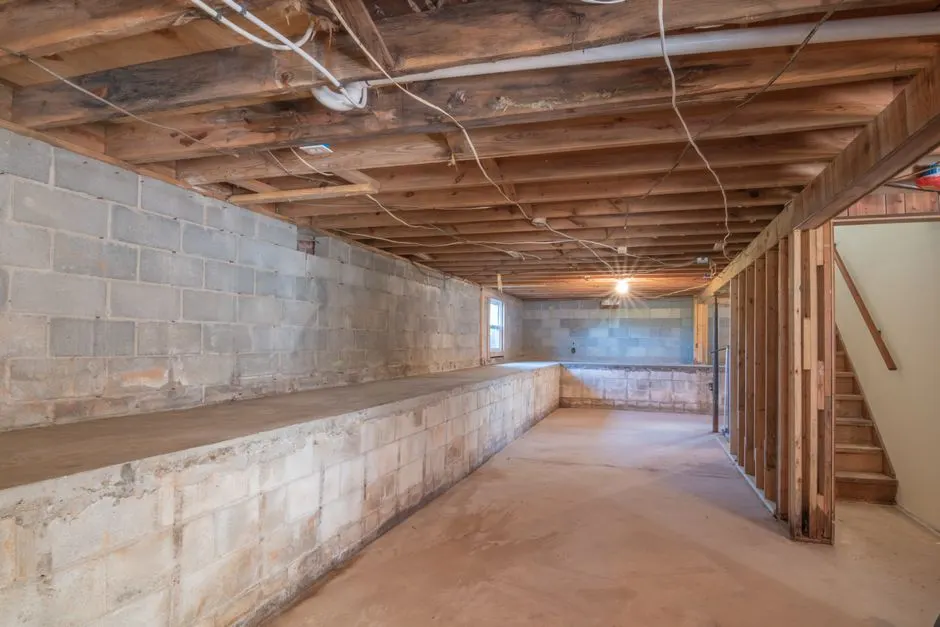
East Lansing homes range from older houses with masonry foundations to student-oriented residences with shared utilities, storage, and frequent occupancy changes. A basement leak can disrupt laundry, heating equipment, stored belongings, or finished living space, so we begin by finding the source and removing water without creating avoidable access problems. Our residential basement water cleanup in East Lansing includes extraction, affected-material inspection, and drying checks. We explain which items can remain, which materials need attention, and how long equipment is expected to run based on readings. If a sump pump fails or a line bursts during a cold snap, tell us whether the water is still entering and where the shutoff is located. That information helps us plan a safe first visit.
- Home basement water extraction — We remove standing water from East Lansing homes with a pump or vacuum suited to the depth and floor layout. Our crew checks utility areas and wall edges, then measures affected materials. We protect clear paths through stairs and doors so you can keep necessary access to the rest of the home.
- Finished basement material assessment — When carpet, gypsum board, or insulation gets wet, we assess how far moisture traveled before deciding what needs removal. In East Lansing finished basements, that step helps avoid closing wet cavities behind new repairs. We explain the findings and keep the affected work area defined.
- Sump and stormwater cleanup — After a sump failure or stormwater intrusion, we extract water and inspect the pit, nearby floor, and lower walls. We identify whether water remains active and document the conditions. The cleanup addresses current damage; pump repair or exterior drainage work is explained separately.
- Basement drying follow-up — We position air movers and dehumidification equipment according to room conditions and moisture readings. During drying, we return to check progress rather than relying on a fixed number of days. You receive practical guidance on equipment placement, access, and when affected areas are ready for repairs.