
Logo
Get Estimate

Sump Pump Overflow Cleanup in Michigan

We remove standing water and get your basement drying


Sump Pump Overflow Cleanup in Michigan helps homeowners facing a failed pump, a rising sump pit, or water spreading across the basement floor. We extract standing water, check affected materials, and set drying equipment to limit damage to walls, flooring, and stored belongings. If you need Michigan sump pump water spill removal after a storm or equipment failure, call our team for a practical response focused on your home and the source of the overflow.

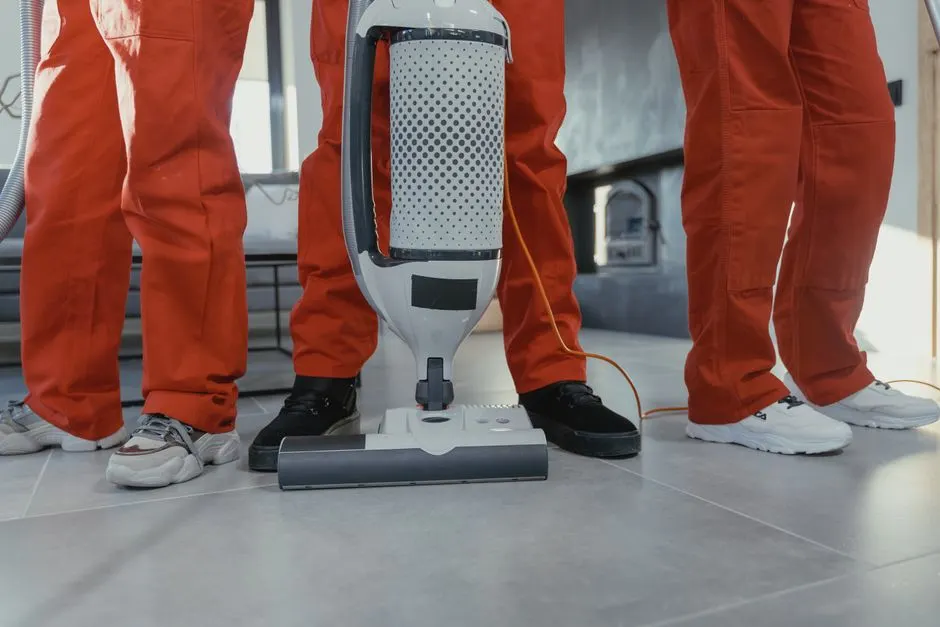
Team of professional cleaners in red uniforms using a vacuum cleaner indoors.
Licensed Licensed & Bonded
Fully Insured Insured & Bonded
24/7 Emergency Same-Day Response
Warranty Backed Workmanship Guaranteed

What Sump Overflow Cleanup Includes

Our cleanup covers assessment, water extraction, cleaning of affected hard surfaces, and measured drying setup. We explain material removal when water has damaged or contaminated it. Pump repair, electrical repair, and rebuilding are separate trade work, but we identify conditions that need those next steps so your cleanup does not stop at the visible puddle.

Water Source Assessment

We inspect the sump pit, visible pump operation, discharge route, and nearby areas for signs of continued entry. This helps distinguish a pump problem from groundwater seepage, stormwater intrusion, or a separate leaking line before extraction is underway.
Standing Water Extraction

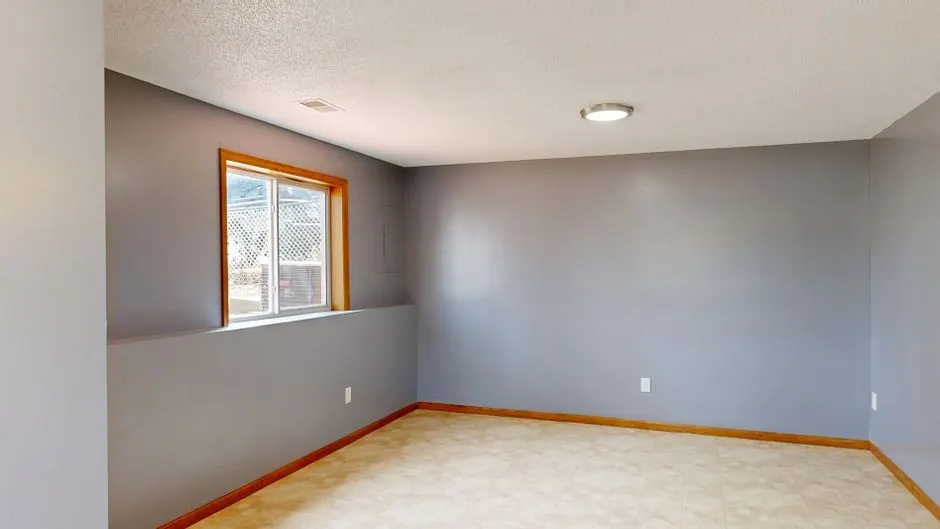
We remove pooled water with pumps and extraction equipment suited to its depth and the basement layout. We also work along edges and around stored items where shallow water can remain after the main floor has been cleared.

Surface Cleaning

Affected hard surfaces are cleared of debris and cleaned according to exposure. When water quality raises a contamination concern, we adjust cleaning and protective practices rather than treating the spill as clean groundwater.

Moisture Mapping

We use moisture readings to check floors, lower walls, and accessible framing. The results guide air mover placement and help identify whether gypsum board, insulation, or other porous materials need additional drying or removal.

Drying Equipment Setup

We place air movers and dehumidification equipment to support controlled drying, maintain access to essential basement equipment, and reduce moisture in the room. Follow-up readings show whether the drying plan needs adjustment.

Sump Pump Overflow Cleanup in Michigan


Sump Pump Overflow Cleanup in Michigan is emergency water removal and structural drying that restores a basement after a sump pit spills or a pump fails. We first stop or control the water source when it is safe to do so, then extract water from the floor and accessible cavities. A moisture meter helps us map wet concrete, gypsum board, and wood framing rather than relying on surface appearance. We remove unsalvageable materials when needed, clean affected surfaces, and place drying equipment according to measured moisture and room conditions.

Michigan homes face spring snowmelt, heavy rainfall, frozen discharge lines, and power interruptions that can overwhelm a sump system. In older basements, foundation wall seepage and groundwater seepage can keep feeding a pit after the pump stops. Our crew handles basement cleanup after sump pump overflow Michigan homeowners need after a sudden spill, including inspection for nearby leaks or stormwater intrusion. To remove water after a sump pump overflows in a Michigan basement, we extract promptly, check hidden moisture, and keep drying until readings show the materials are ready.

What to Expect During Cleanup

Sump pump overflow cleanup follows a practical sequence: control the water, extract it, identify affected materials, and dry the structure. We explain each step as we work, keep access paths clear, and share the moisture readings that guide equipment placement and removal decisions.

01

Schedule

Call or book online — a real human picks up and confirms a 2-hour arrival window.

02

Diagnose

Licensed tech inspects on-site, then walks you through the cause and your options.

03

Fix

The job is completed to code and done right the first time — no shortcuts, no surprises.

04

Guarantee

Every job backed by a written workmanship warranty — and we stand behind it.

Tools and Drying Methods

Tools & Equipment

Submersible water pump

Moves deeper standing water from the basement floor or sump area so detailed extraction and inspection can begin.

Truck-mounted extraction unit

Provides high-volume extraction for larger water losses and helps remove water from broad floor areas efficiently.

Moisture meter

Checks moisture in building materials and provides repeatable readings to guide equipment placement and drying decisions.

Thermal imaging camera

Helps identify temperature patterns that can point to concealed wet areas, which we verify with direct moisture checks.

Axial air mover and dehumidifier

Moves air across wet surfaces while a low-grain refrigerant dehumidifier removes moisture from the basement air.

HEPA air scrubber

Supports air filtration during appropriate cleanup and material-removal work, especially when dust control is needed.

Methods & Standards

Measured structural drying

We establish moisture readings at affected materials, place air movers and dehumidification equipment, and repeat checks during the job. Equipment remains in place based on measured progress rather than a guess. This method is useful when overflow reaches wall framing, insulation, or flooring layers.

Water category assessment

We assess whether the water appears to be groundwater, stormwater, or contaminated by a drain or sewage backup. The water source affects protective measures, extraction equipment, cleaning products, and what materials can remain. If conditions change during work, we adjust the cleanup plan.

Safe electrical work area

Water near a sump pump, outlets, or electrical equipment requires a controlled approach. Our crew follows NFPA 70E electrical safety practices and avoids entering unsafe standing water. We coordinate the work area so extraction can proceed without exposing household members or technicians to preventable hazards.

Material-specific cleaning

Concrete and masonry can be cleaned differently from gypsum board, wood framing, or insulation. We select cleaning and drying steps according to the material and water exposure, using disinfectant or antimicrobial cleaner when appropriate. Materials that remain damaged or contaminated are identified for removal.

When to Call for Cleanup

01

A pump fails overnight and water is spreading from the pit toward finished rooms.

What we do: Call as soon as you can safely report the water depth and electrical conditions. We assess the area, extract standing water, and check whether the pump stopped, the discharge became blocked, or water is still entering. Our team then maps affected flooring and lower walls before choosing a drying setup.

→ Water is removed before it travels farther into finished materials, and you receive a clear picture of what needs drying or repair.

02

Spring snowmelt or steady rain raises groundwater until the sump pit spills over.

What we do: We remove the overflow and inspect nearby foundation areas for continuing seepage. If the pit keeps refilling, we track the incoming water during the assessment and explain the difference between cleanup and correcting the underlying drainage or pump condition.

→ Your basement gets a measured cleanup plan, and the source is less likely to be mistaken for a one-time floor spill.

03

A frozen or obstructed discharge line prevents the pump from sending water away from the home.

What we do: We extract water and document the basement damage while avoiding unsafe contact with frozen or energized equipment. We check visible discharge conditions and recommend the appropriate pump or plumbing follow-up where the line needs service.

→ Standing water is cleared and affected materials begin drying while the discharge problem receives the right repair attention.

04

Water from the sump reaches stored belongings, carpet, or drywall before you find the spill.

What we do: We move through the affected area systematically, extracting water and checking porous materials that may hold moisture. We separate salvageable belongings from items that are saturated or contaminated, then set drying equipment according to the measured wet footprint.

→ You know which belongings can be cleaned, which materials need further work, and whether the basement is drying beyond the visible floor.

How Cleanup Works Across Michigan

Michigan weather changes the way sump overflow develops. November and winter cold can freeze discharge lines or bring power interruptions, while spring snowmelt and heavy rain raise groundwater and fill pits quickly. We ask whether the pump is running, whether the discharge is clear, and how fast water is returning; those details help separate a mechanical failure from ongoing seepage. Michigan sump pump water spill removal also varies by building: older basements may have masonry walls and visible seepage, while finished spaces can conceal moisture behind gypsum board and insulation. We inspect the accessible structure, extract water, and measure drying progress rather than applying the same setup to every home. If you need professional sump pump overflow cleanup in Michigan, our team serves communities statewide and adjusts equipment placement to the basement layout, water depth, and material condition. Local electrical and building requirements can vary by project; we follow applicable safety practices and involve the appropriate licensed trade when repair work falls outside cleanup.

Neighborhoods We Serve

  • Downtown Detroit

    Compact utility areas and finished lower levels require careful equipment access, protection for stored items, and attention to water around electrical panels.

  • West Dearborn

    Basements with older masonry or mixed-finish walls benefit from moisture checks that distinguish surface dampness from water held in the structure.

  • Farmington Hills residential areas

    Seasonal groundwater and heavy rain can load a sump system quickly, so we check whether the pit continues refilling after extraction.

  • Port Huron waterfront areas

    Storm conditions and changing groundwater can complicate basement spills; we track active water entry while clearing the floor and starting drying.

Local Conditions We Plan For

  • Winter cold freezes an exposed sump discharge line

    A pump may run without moving water away from the home, causing the pit to rise and spill. We remove basement water while checking visible discharge conditions and maintaining safe distance from electrical equipment.

  • Spring snowmelt raises groundwater around foundation walls

    The sump pit can refill repeatedly even after the first extraction. We monitor incoming water, inspect for seepage, and base the drying plan on the full affected footprint rather than only the area nearest the pit.

  • Older wall finishes conceal water in insulation or framing

    The basement floor may dry before hidden materials do. We use moisture readings and targeted inspection to identify wet cavities, then explain whether controlled drying or material removal is the appropriate next step.

Overflow After a Heavy Storm

Before

A homeowner found several inches of water around the sump pit after prolonged rain. Cardboard storage boxes were wet, and water had reached the bottom edge of a finished wall. The pump was silent, so the basement needed both water extraction and an inspection for damage beyond the open floor.

After

We removed the standing water, cleared wet debris, and checked the lower wall and concrete with a moisture meter. Air movers and dehumidification ran for three days, with follow-up readings guiding placement. The floor was clear, the affected wall area was documented, and the homeowner knew what needed repair.

Maintenance: Test the pump before forecast rain, keep the pit free of debris, and check that the discharge outlet is clear. If the pit refills unusually quickly or the pump cycles constantly, arrange pump or drainage service before the next storm.

Before

During a cold spell, the pump ran repeatedly but water could not leave through the frozen discharge line. The pit overflowed and spread across the utility-room floor, wetting stored items and the lower edge of insulation behind an unfinished wall.

After

We extracted the floor water, checked the insulation and accessible framing, and cleaned the affected concrete. Drying equipment stayed in place for four days while readings fell. The homeowner arranged discharge-line service, and the affected storage area was cleared for safe use after cleanup.

Maintenance: Inspect the discharge route before freezing weather and remove leaves or other obstructions. Keep stored items raised off the floor and listen for a pump that runs without a normal discharge; that combination signals a problem worth addressing quickly.

Before

A small sump spill looked limited to a wet rug, but moisture had moved beneath the floor covering and into the base of a gypsum-board wall. The surface began to dry while an odor remained, making it difficult to know whether the basement was actually ready for repairs.

After

We lifted the affected covering, extracted residual water, and checked the wall edge and nearby framing. A targeted drying setup ran for two days, with readings recorded at follow-up. The homeowner received a clear account of the materials that dried and the section that needed repair.

Maintenance: After any overflow, move rugs and boxes away from the pit and inspect the wall base, not only the open floor. If odor or dampness persists after a day, arrange moisture checks before closing the wall or replacing flooring.

Problems Solved After Sump Overflow

A flooded sump area can hide more than a wet floor. Water may travel beneath stored items, into insulation, or behind the bottom edge of a wall. We identify the wet footprint, remove water, and address the condition that is keeping materials damp. For sump pump overflow damage restoration for Michigan homes, early extraction and measured drying help limit avoidable material loss.

Problem

Sump pit rises faster than a working pump can clear it

Water spills over the pit and spreads across the basement, soaking nearby storage and reaching floor joints before the source is understood.

Our Fix

We inspect the pit and visible discharge conditions while extracting the overflow. Our crew clears standing water, checks the surrounding floor and lower walls, and measures moisture in affected materials. If the pump or line needs repair, we identify that need so you can address the source rather than relying on cleanup alone.

Problem

Water remains trapped beneath flooring or along wall edges

A surface can appear dry while moisture remains under a rug, at a wall plate, or in porous materials, creating lingering odor and damage.

Our Fix

We move accessible contents, lift or remove affected coverings when appropriate, and inspect edges with moisture-reading tools. Air movers and dehumidification target the wet area. We revisit readings during drying and explain whether the material is recovering or requires removal.

Problem

Wet insulation and hidden wall moisture go unnoticed

Water absorbed by fiberglass batt insulation or gypsum board can stay concealed after the floor is cleared, delaying repairs and encouraging microbial growth.

Our Fix

We inspect accessible wall sections and use moisture readings to locate affected areas. Where materials cannot dry effectively in place, we explain removal and cleaning needs. After the wet materials are addressed, we dry the framing and verify progress before the area is ready for reconstruction.

Problem

Overflow water mixes with sewage or drain backup

Contaminated water exposes household surfaces and belongings to a higher cleanup risk than ordinary groundwater or rainwater.

Our Fix

We treat suspected sewage backup as contaminated water, select a sewage-rated pump where required, and use appropriate protective and cleaning procedures. We isolate the affected zone as practical, remove contaminated water and debris, clean impacted surfaces, and set drying equipment after the cleanup stage.

A Drier Basement, Less Damage

A Drier Basement, Less Damage

Overflow water moves into floor seams, stored items, and wall edges quickly. We focus first on extraction and source control, then verify drying with measurements so you know what has been addressed and what still needs attention.

  • Faster Water Removal

    We use a submersible water pump for deeper standing water and a wet/dry vacuum for shallow areas, corners, and around equipment. Removing pooled water early reduces the time flooring and stored belongings stay wet. For Michigan sump pump water spill removal, we also check whether water is still entering from the pit or a separate leak.

  • Measured Structural Drying

    A dry-looking floor does not prove that wall framing or insulation is dry. We record moisture readings at affected materials and reposition air movers as conditions change. Your drying plan is based on actual readings, helping reduce the risk of concealed dampness and microbial growth after water damage.

  • Clearer Damage Decisions

    We separate materials that can be cleaned and dried from items that are swollen, contaminated, or no longer serviceable. If gypsum board or fiberglass batt insulation has absorbed water, we explain the affected area and next step before removal. You get a clearer picture of repairs instead of guessing from stains.

  • Safer Basement Work

    Water near outlets, appliances, or a pump circuit needs careful handling. Our crew follows NFPA 70E electrical safety practices around energized equipment and avoids using ordinary extraction methods for contaminated water. If sewage backup is present, a sewage-rated pump and appropriate protective measures are used.

Training and Work Standards

Licensed & Certified

  • Water Damage Restoration Technician — issued by Institute of Inspection, Cleaning and Restoration Certification
  • Applied Structural Drying — issued by Institute of Inspection, Cleaning and Restoration Certification
  • Applied Microbial Remediation Technician — issued by Institute of Inspection, Cleaning and Restoration Certification
  • OSHA 10-Hour Construction Safety — issued by Occupational Safety and Health Administration

Verified Reviews

Customer feedback Not stated

The crew removed water after our sump overflow and checked the lower wall rather than stopping when the floor looked clear. They explained the moisture readings and kept the equipment out of the main walkway. That made it easier to use the rest of the basement during drying.

Customer feedback Not stated

Our pit overflowed after rain, and we were worried about boxes and the utility area. The team extracted the water, cleaned the concrete, and showed us where dampness remained. We knew what to move and what the drying equipment was doing at each stage.

Customer feedback Not stated

A frozen discharge caused water to spread near the sump. The technicians were direct about the cleanup and the separate issue that needed pump service. They checked the wet wall edge and did not call the job finished until drying readings had improved.

Field Knowledge and Training

Our technicians approach overflow as both a water-removal job and a building-material problem. We trace the source, identify where water traveled, and match extraction and drying methods to the affected surfaces. Training in IICRC Water Damage Restoration Technician (WRT) practices supports consistent inspection and restoration steps; Applied Structural Drying (ASD) principles guide equipment use. We do not claim a fixed number of years or jobs. We do bring local experience with Michigan basements, seasonal groundwater changes, and the practical distinction between a pump failure and a separate foundation or plumbing leak.

  • IICRC Water Damage Restoration Technician training informs water classification, material inspection, and safe cleanup decisions.
  • Applied Structural Drying principles help us position air movers and dehumidifiers according to moisture readings.
  • We check for sump pump failure, blocked discharge, groundwater seepage, and separate leaking water lines.
  • NFPA 70E electrical safety practices guide work around pump circuits, outlets, and wet electrical equipment.
  • Our technicians document affected areas and recheck drying progress instead of guessing from surface appearance.
Get Started Today
Field Knowledge and Training

Sump Pump Overflow Questions

Real answers to the questions we hear most often from local homeowners and property managers.

What should I do when your sump pump overflows in Michigan?
Keep people away from standing water near electrical outlets, switch off power only from a dry, safe location, and call for cleanup promptly. Do not enter water around an energized pump or panel. If safe, move small valuables above the wet area and note whether the pump is silent, cycling, or blocked. Our crew can extract water, inspect affected materials, and check for a failed pump, frozen discharge, or continuing groundwater entry.
Who offers emergency sump pit overflow cleanup near me?
Michigan Basement Water Removal Pros handles emergency sump pit overflow cleanup in Michigan, with service coverage across the state. Call +18668968166 and describe the water depth, location, and any electrical or sewage concerns. We use that information to prepare suitable extraction equipment, including a sewage-rated pump when contamination is involved. Once on site, we assess the source, remove standing water, and map the drying area before setting equipment.
How much does sump pit overflow cleanup cost in Michigan?
A straightforward cleanup often costs $300-$900, while larger or contaminated losses can reach $1,500-$5,000 or more in 2026. The price depends on water volume, extraction time, affected materials, contamination, and how many days drying equipment is needed. We give upfront pricing after assessing the conditions. A small spill caught quickly usually costs less than water that has spread under flooring or into insulation and wall cavities.
How do professionals dry a basement after sump pump overflow?
Professionals extract pooled water, measure moisture in affected materials, and use air movers with a dehumidifier until readings show the structure has dried. We inspect concrete, lower wall sections, and accessible framing, then place equipment to circulate air without creating unsafe conditions. Drying often takes two to four days for a limited spill, but concealed moisture, wet insulation, or continuing water entry can extend the schedule.

Related Basement Services

Basement Water Removal

When overflow covers more than the area around the sump pit, basement water removal clears standing water across the room. We select extraction equipment for the water depth and floor layout, then inspect adjoining areas so water at the edges is not overlooked.

View Basement Water Removal

Emergency Basement Flood Cleanup

A sump failure during a storm can leave water spreading before you can move belongings. Emergency basement flood cleanup prioritizes safe access, rapid extraction, and an initial damage check, followed by drying steps tailored to the materials that got wet.

View Emergency Basement Flood Cleanup

Basement Water Extraction

Water extraction removes pooled water from concrete floors, low spots, and accessible carpeted areas. For a sump overflow, we combine high-volume removal with detailed cleanup around the pit and floor edges, where residual water can remain after the main pool is gone.

View Basement Water Extraction

Basement Flood Damage Cleanup

Overflow can stain gypsum board, swell trim, and damage stored items. Basement flood damage cleanup addresses the affected surfaces and materials after extraction, with cleaning or removal decisions based on water exposure, material condition, and measured moisture.

View Basement Flood Damage Cleanup

Basement Drying and Dehumidification

After extraction, drying and dehumidification remove moisture held in the room and building materials. We set air movers and a dehumidifier based on readings, then check progress so equipment runs for the time the basement actually needs.

View Basement Drying and Dehumidification

Basement Structural Drying

Structural drying focuses on framing, wall cavities, and other building components that can remain damp after the floor looks dry. It is especially useful when sump water reaches lower wall sections or insulation and requires measured follow-up.

View Basement Structural Drying

Call for Sump Pump Overflow Cleanup

Water around the sump pit can spread into walls and stored belongings within hours. We will help you identify immediate safety concerns and arrange the right cleanup response. Call our team now for direct help from Michigan Basement Water Removal Pros.

Call Now Call for Cleanup

Call For Basement Help

Call +1 866-896-8166 when your basement floods, a sump pit overflows, or a leak keeps feeding water onto the floor. Our phone line takes requests around the clock, and we connect you with independent companies serving Michigan. Share your city, the water source, and whether the water is still rising; those details help direct your request.

Or call us right now at +18668968166 — we answer.

Michigan Basement Water Removal Pros


  • Phone

    +18668968166
  • Address

    Michigan

  • Hours

    Mon–Fri: 7AM – 7PM
    Sat: 8AM – 4PM
    Sun: Emergency Only
    24/7 Emergency Available

Call +18668968166 Get Quote
Call Quote