
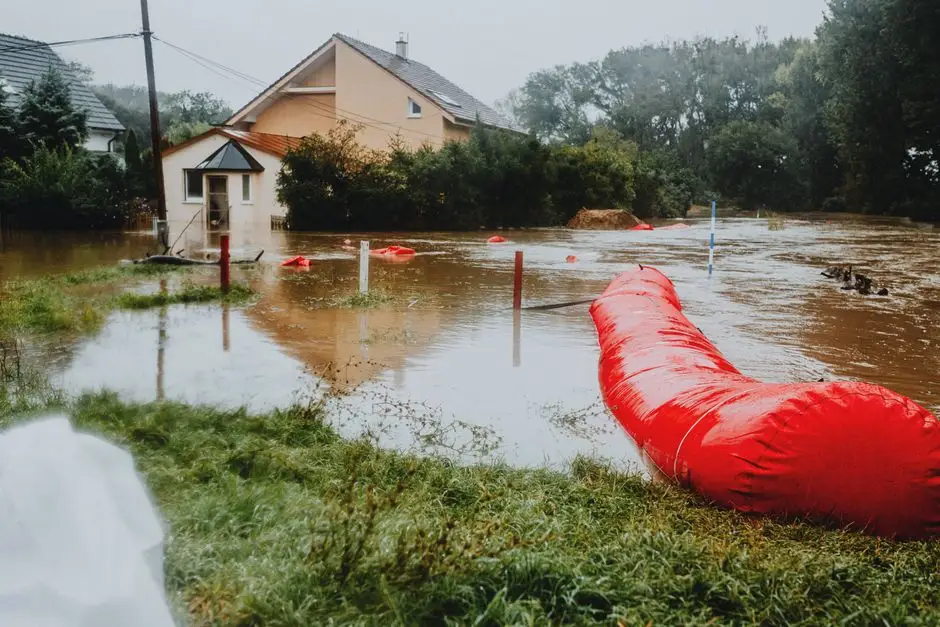
Remove standing water before basement water extraction only if the area is electrically safe, the water is clean, and you can pump it gradually without entering deep or contaminated water. If water covers outlets, appliances, or the electrical panel, stay out and call for help; otherwise, use a properly rated submersible pump or wet/dry vacuum and leave final extraction and drying to professionals. Our team at Michigan Basement Water Removal Pros helps homeowners across Michigan limit damage and prepare for a complete cleanup. Below, we explain how to assess the hazard, pump safely, avoid pressure damage, and get your basement ready for professional extraction.
How to remove standing water before basement water extraction is a controlled water-removal process that lowers a safe, accessible water level before technicians extract remaining water and dry the basement. It is not a reason to enter an unsafe room or empty a flooded basement as fast as possible.
How to remove standing water before basement water extraction
Homeowners in Michigan should first identify the water source and electrical hazards, then remove only accessible water with equipment designed for wet conditions. You do not need to make the concrete floor bone-dry before a crew arrives; removing belongings and documenting the damage are often more useful.
Start from outside the basement if you can. Look for a failed sump pump, a burst supply line, a backed-up floor drain, or water entering through a wall. Shut off the source only if you can reach its valve without walking through floodwater. If a sump system failed during heavy rain or snowmelt, our Basement Water Removal in Michigan team can assess the water and plan extraction around the cause, not just the puddles.
Before touching a pump or vacuum, check whether the water is clear and shallow enough to work around without immersion. Water from a sewer backup, a floor drain, or unknown outdoor runoff is contaminated; do not pump it through household equipment or handle soaked materials without professional guidance. A water level near electrical equipment is an immediate stop sign.
Is it safe to pump water from a flooded basement yourself?
Pumping a flooded Michigan basement yourself is safe only when electricity is isolated, water is uncontaminated, and you can operate equipment without entering a hazardous area. If you cannot confirm all three, keep people and pets out and call a water-removal crew.
Never step into standing water to reach a breaker, furnace switch, extension cord, or appliance. If the electrical panel is in a dry, accessible location, you may shut off the basement circuit from there; if the panel or route to it is wet, do not approach it. Contact the utility or an electrician for safe disconnection.
Wear waterproof boots, gloves, and eye protection for clean-water work, but protective gear does not make contaminated water safe. Avoid contact with water that could contain sewage, fuel, chemicals, or sharp debris. In older homes around Basement Water Removal in Detroit, a basement can have older wiring, finished walls, and multiple hidden water paths, so a visible puddle may not show the full risk.
Carbon monoxide is another hazard. Do not run a gasoline-powered pump or generator indoors, in a basement, or beside an open basement window. Use a pump that can run safely from a dry power source, and route discharge water away from the foundation so it does not flow back into the house.
How to pump water from a flooded basement step by step
To pump water from a flooded basement, use a suitable pump on a stable surface, discharge water outdoors away from the foundation, and lower the water in stages rather than draining a deep basement at once. Stop if water rises again, the pump overheats, or the structure shows signs of movement.
For shallow water, a wet/dry vacuum can collect small amounts, but its tank fills quickly and it is not designed for a large flood. For deeper water, a submersible utility pump with a screened intake is usually more practical. Check the manufacturer's instructions for the pump's minimum water depth, electrical rating, and discharge hose size; never improvise an electrical connection in a wet area.
- Choose a safe starting point. Set the pump where water is deepest but the floor is stable, and keep the cord and plug dry.
- Direct discharge away. Route the hose outdoors to a location where water will not run back toward the foundation, a neighbor's property, or a storm drain where local rules prohibit it.
- Pump in stages. If water is several inches deep, remove some, pause, and check the level before continuing. For deep flooding or visible wall movement, leave pumping to a professional.
- Remove the last shallow layer carefully. A wet/dry vacuum, squeegee, or towels can handle small residual puddles once the room is safe.
There is no single pump-out rate that suits every basement. A 2-inch layer across a 500-square-foot room contains roughly 620 gallons, so even a pump rated at 30 gallons per minute takes time once hose length, lift height, and debris reduce its output. Never leave a portable pump running unattended.
Fast removal is not always safer. In some conditions, waterlogged soil outside exerts pressure against basement walls; draining a deeply flooded basement too quickly can contribute to cracking, bowing, or movement. If water is several feet deep, has remained high outside, or the walls are visibly shifting, get a professional assessment before pumping down.
What to do before professional basement water removal
Before professional basement water removal in Michigan, document the source and damage, protect yourself from hazards, and clear only items you can reach without stepping into unsafe water. This preparation gives our crew a clearer picture and helps us begin extraction without delay.
Take photos and short videos from a dry doorway before moving belongings. Record the waterline on walls, the affected rooms, and any damaged furniture or boxes. If the water is still rising, do not spend time sorting possessions; personal safety and stopping the source come first.
Move dry, valuable items to an unaffected floor if you can carry them safely. Do not lift heavy furniture, wet carpeting, or waterlogged drywall alone; these materials gain substantial weight and can hide sharp objects. Leave soaked porous materials in place until the crew can assess contamination and salvage options.
Useful preparation includes:
- Keeping children and pets away from the basement entrance.
- Saving the time you first noticed the water and noting whether it is still entering.
- Identifying the water source, sump pump status, and any shutoff you safely reached.
- Moving vehicles or stored items only if the route is dry and unobstructed.
Our technicians use extraction equipment suited to the water depth and site conditions, then check areas that a household pump may miss, including carpet edges, utility-room corners, and water beneath stored items. For a basement that needs more than initial pumping, Basement Water Extraction in Michigan addresses standing water and the next steps needed to prevent moisture from lingering in building materials.
Common mistakes during standing water cleanup
Common standing-water cleanup mistakes in Michigan include entering water near live electricity, using indoor combustion equipment, dumping water beside the foundation, and pumping a deep basement down too quickly. Each can create more damage than the original leak.
A frequent misstep is assuming clear-looking water is clean. Water that crossed a garage, drain, or soil line can carry bacteria and chemicals even when it has no odor. Do not use a household shop vacuum on sewage or other contaminated water; it can expose you and spread contamination through the machine.
Another mistake is treating extraction as the complete restoration. A floor that looks dry can still hold moisture in carpet padding, wall cavities, insulation, and the bottom edges of framing. Our team checks those areas and uses drying equipment when needed, because leaving materials damp for 24 to 48 hours can increase the chance of mold growth.
Do not force a pump to run dry or ignore a clogged intake. A blocked screen reduces flow and may overheat the motor. Keep the pump's intake clear, watch the discharge hose for kinks, and stop if the unit makes unusual noises or trips a breaker.
When to call a professional in Michigan
Call a basement water extraction professional in Michigan as soon as you find contaminated water, water near electrical equipment, several inches of flooding, or water that keeps returning after pumping. A professional crew can remove water safely, identify hidden moisture, and begin drying before damage spreads.
Call immediately if a sump pump failure leaves water rising during rain or snowmelt, if a sewer line backs up, or if basement walls bow or crack. The same applies when the water covers a large finished area or reaches a furnace, water heater, or electrical panel. The cost of delay can include damaged flooring, baseboards, stored belongings, and concealed wall materials.
Michigan's November freeze-thaw conditions and winter storms can send meltwater toward foundations, while spring rain and saturated soil can keep seepage active. If you are dealing with a failed pump, recurring water, or an uncertain source, Michigan Basement Water Removal Pros can inspect the affected area and manage extraction and drying as one coordinated job.
We explain the next steps before work begins and provide upfront pricing for the work we recommend. You can prepare by keeping the basement access clear and sharing what you know about the water source; there is no need to risk a hazardous cleanup to make the room ready for us.
Frequently Asked Questions
Should I remove standing water before basement water extraction?
Remove only water you can reach safely; otherwise, leave it for the extraction crew. If electricity is exposed, water is contaminated, or the basement is deeply flooded, do not enter or start a pump. Photos, a clear access path, and a safely shut-off water source help our team more than a risky attempt to dry the entire floor.
What is the safest way to pump water from a basement?
The safest method is a properly rated submersible pump in a dry, electrically safe area, with its discharge routed away from the foundation. Pump gradually and monitor the water level, cord, hose, and pump. Never run a gas-powered unit indoors or enter water near a panel, outlet, or operating appliance.
Can pumping out a flooded basement too quickly cause damage?
Yes. Rapidly lowering deep water can increase pressure differences across basement walls when outside soil is saturated, creating a risk of cracks or wall movement. For several feet of water, visible bowing, or heavy rain and groundwater, pause and have a professional assess the structure before continuing.
When should I call a basement water extraction company in Michigan?
Call as soon as water is contaminated, near electrical equipment, deeper than a few inches, or still entering after you shut off a known source. Call immediately for sewage, a failed sump pump during active flooding, or wall movement. Early extraction and drying help limit damage to floors, walls, and stored belongings.
What equipment removes standing water from a basement?
A wet/dry vacuum suits small, shallow puddles; a submersible utility pump removes larger volumes when the water is clean and the site is safe. Professional crews use higher-capacity extraction equipment and moisture meters to find water beyond the visible surface. Match any household pump to its manufacturer's depth and electrical limits.
Get help with Basement Water Removal in Michigan
If standing water is unsafe to handle or keeps returning, our Michigan team can assess the source, extract the water, and start the drying process. Call Michigan Basement Water Removal Pros at +1 866-896-8166 for help.