




Logo
Get Estimate

Basement Water Removal in Flint for Wet Homes

Basement Water Removal in Flint starts with stopping the water and getting standing water out before it spreads into walls and stored belongings. Our team handles basement water cleanup in Flint after sump failures, stormwater intrusion, leaking lines, and groundwater seepage. From Downtown and Carriage Town to homes near the Flint River, we inspect the source, extract water, and set up drying equipment suited to the affected materials.

Call For Help Request Service
Emergency response Service area ZIPs Water extraction
Licensed Licensed & Bonded
Fully Insured Insured & Bonded
24/7 Emergency Same-Day Response
Warranty Backed Workmanship Guaranteed in Flint
Flint

Basement Water Removal in Flint, Explained


Basement Water Removal in Flint is a water damage response service that removes unwanted basement water and dries affected building materials after leaks, flooding, or drainage failures. Flint's older housing stock includes homes with aging basement infrastructure, so a small seep at a foundation joint or a failed sump pump can quickly wet stored items, insulation, and lower wall sections. Heavy rainfall and snowmelt contribute to seepage concerns, while the Flint River and local drainage channels are relevant considerations when assessing stormwater conditions. Our crews inspect the water source, identify affected areas, and select extraction and drying equipment based on the depth and type of water. In Downtown and Carriage Town, the layout and age of a house shape access and drying decisions. Near the Flint Cultural Center, we plan equipment placement around the affected room and safe entry routes. We provide flooded basement water extraction Flint homeowners need, followed by moisture checks rather than a quick surface-only cleanup. If you need a basement water removal company Flint, Michigan residents can call for an urgent response, we explain the immediate work and get the water moving out.

  • Locally licensed and insured in Flint
  • Same-day diagnostics and written estimates
  • Real workmanship warranty in writing
  • Background-checked, in-house technicians

Flint Basement Water Removal Services

Flint basements need a response matched to the water source: a clear-water supply line leak is handled differently from stormwater or sewage. We inspect the affected floor, wall edges, and lower cavities, then remove water and plan drying around the materials that remain. For fast-moving leaks, emergency basement water removal in Flint, Michigan helps limit the time water sits against concrete, wood framing, and gypsum board. Our service covers homes and commercial properties throughout Flint, with attention to access, electrical hazards, and whether the water is clean or contaminated.

Basement Water Removal

Basement Water Removal

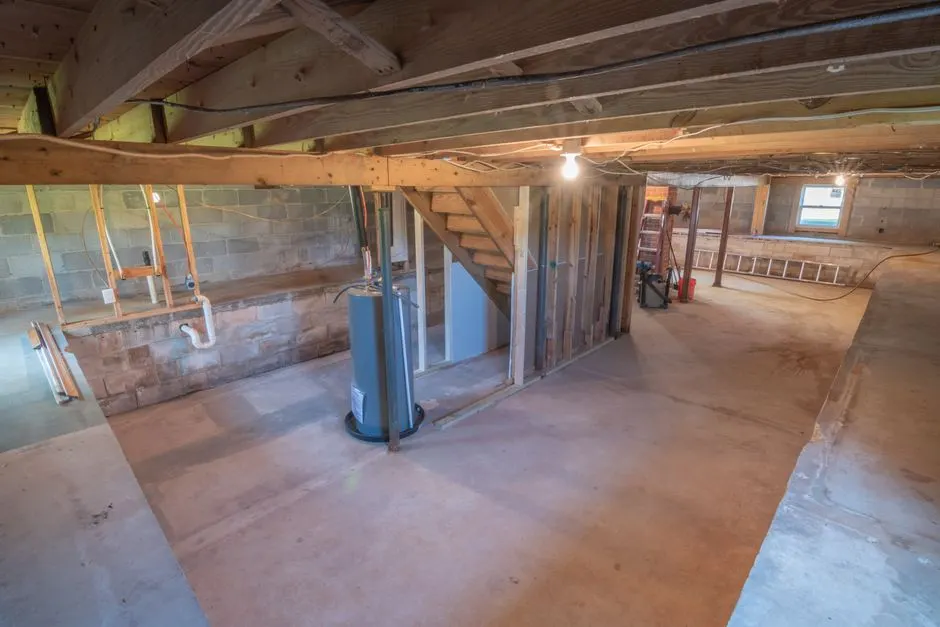
We remove standing water from Flint basements after seepage, plumbing leaks, or pump trouble, then check the floor and lower walls for retained moisture. In older homes around Mott Park, we account for tight stairways and utility-room layouts when positioning extraction gear. You get a clear sequence: stop or isolate the source, extract water, and begin drying.

View Details
Emergency Basement Flood Cleanup

Emergency Basement Flood Cleanup

When a Flint basement floods during a storm or a pipe lets go, we prioritize safe access and rapid water removal. Our crew separates salvageable contents from saturated materials, removes water, and documents affected areas for your next steps. If the water is near electrical equipment, we keep clear until the hazard is controlled.

View Details
Basement Water Extraction

Basement Water Extraction

Our truck-mounted extraction unit and portable pumps handle water across basement floors, including rooms with narrow access in Carriage Town homes. We choose equipment by water depth and floor material, then use a wet/dry vacuum for residual water at edges and around obstructions. Extraction reduces the load on the drying phase; it does not replace moisture checks.

View Details
Basement Flood Damage Cleanup

Basement Flood Damage Cleanup

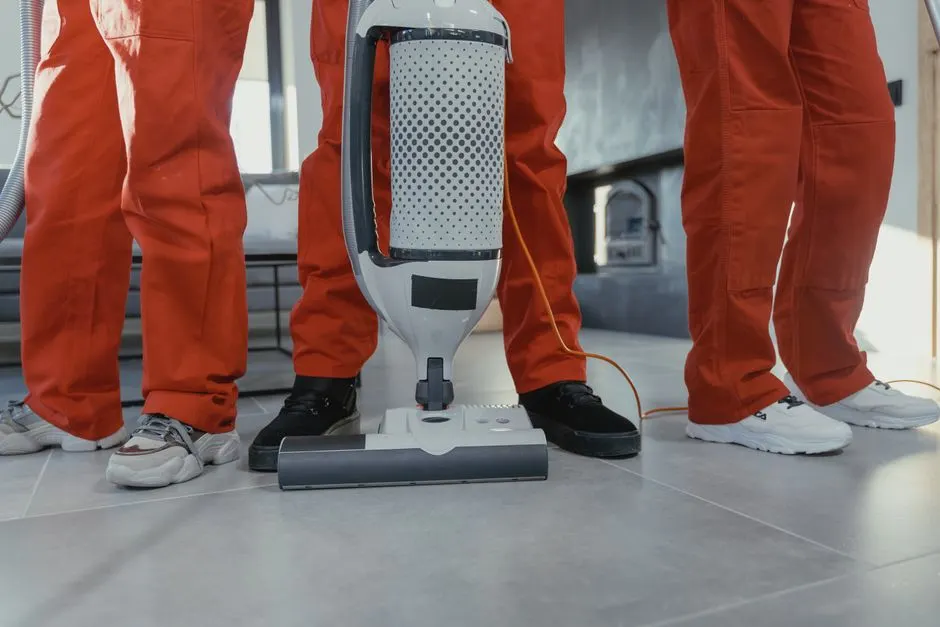
After water is removed, we clean affected surfaces and identify materials that need further attention. Flint basements with wet gypsum board, fiberglass batt insulation, or stored contents require different handling from bare concrete. We remove damaged debris when appropriate, apply cleaning methods for the water category, and record conditions as the cleanup progresses.

View Details
Basement Drying and Dehumidification

Basement Drying and Dehumidification

We place air movers and dehumidifiers to move moisture out of Flint basement materials, not simply blow air across the middle of the room. A moisture meter helps track readings in masonry, wood framing, and wall edges. Equipment placement changes as measurements improve, helping reduce the chance of hidden moisture remaining after visible water is gone.

View Details
Basement Structural Drying

Basement Structural Drying

When water reaches framing, wall cavities, or subfloor areas, we target structural drying instead of relying on open-room airflow alone. In Flint homes with finished basements, we inspect behind accessible trim and use measured drying plans for affected assemblies. You receive practical updates about the areas being monitored and what the readings show.

View Details
Basement Sewage Cleanup

Basement Sewage Cleanup

Sewage backup requires containment, protective equipment, and sewage-rated pumping rather than ordinary water extraction. We remove contaminated water from Flint basements, clean affected surfaces with appropriate disinfectant, and handle porous materials based on exposure. If the backup involves a shared or building drain, we identify the immediate cleanup needs while the plumbing issue is addressed.

View Details
Basement Storm and Groundwater Cleanup

Basement Storm and Groundwater Cleanup

Stormwater intrusion and groundwater seepage can enter through floor joints, foundation walls, or low openings. We assess the entry pattern, pump out water, and check whether nearby stored items or insulation are wet. Across Flint, rain and snowmelt conditions inform the inspection, but the actual source is confirmed at the property rather than assumed.

View Details
Sump Pump Failure Cleanup

Sump Pump Failure Cleanup

A failed pump can leave water around the sump pit and spread across a basement before the issue is noticed. We extract water, check the pit and surrounding floor, and help you identify whether the pump, power supply, or discharge route needs separate repair. In Flint, we also inspect nearby stored materials and lower wall sections for water exposure.

View Details
Sump Pump Overflow Cleanup

Sump Pump Overflow Cleanup

When a sump pit overflows, our crew removes the water and checks how far it traveled beyond the pit. We dry the affected floor and evaluate baseboards, insulation, and wall cavities where water may have wicked upward. Flint homeowners get a focused cleanup that addresses both the visible puddle and the damp areas around it.

View Details
Basement Water Removal in Flint
Service · #1

Basement Water Removal in Flint


Basement Water Removal in Flint helps protect homes when spring thaw, heavy rain, or a plumbing leak leaves standing water below grade. Our crews serve Central Park, Mott Park, and nearby neighborhoods, including older houses with stone or block foundations. We assess the water source, remove pooled water, and plan the next drying steps around the basement's materials, access, and the conditions that caused the flooding.

Assessment Before Water Removal

We inspect the affected rooms, note water depth, and identify wet flooring, stored belongings, and vulnerable electrical areas before equipment is placed. For basement water cleanup in Flint, this initial review helps determine whether water entered through a foundation wall, floor drain, or failed appliance. We also document visible conditions so the removal plan is clear and appropriate for the property.

Removing Water From Basements

Portable extractors and pumps are selected to match the amount of water and the route to an exterior discharge point. In Flint's older homes, narrow stairways and low-ceiling utility rooms can make access challenging, so crews position equipment carefully. We remove standing water from accessible floor areas and address trapped water around common obstacles such as furnaces, laundry units, and storage shelves.

Drying And Follow-Up Checks

After extraction, we check affected materials and set appropriate air movement and dehumidification equipment. Michigan basement water removal in Flint often needs attention to damp masonry and wood framing, especially after snowmelt or repeated rain. Follow-up moisture readings help show whether drying is progressing and whether additional treatment or material removal should be considered before repairs begin.

  • Extract standing water from basement floors and accessible low spots.
  • Inspect foundation walls, floor drains, and nearby plumbing for entry points.
  • Record affected rooms and moisture readings for project documentation.
  • Position air movers and dehumidifiers for the agreed drying plan.

Emergency Basement Flood Cleanup in Flint


Emergency Basement Flood Cleanup in Flint is available when rising water or a sudden leak disrupts your home. From Carriage Town to the College Cultural Neighborhood, quick action can limit damage to finished rooms, stored possessions, and mechanical equipment. Our team assesses immediate hazards, identifies the likely source, and organizes extraction and cleanup in a practical sequence suited to the property and the extent of flooding.

  1. 01

    Rapid Site Safety Review

    Before cleanup starts, we look for electrical risks, unstable items, and water conditions that could affect safe access. Our emergency basement water cleanup in Flint, Michigan, begins with clear communication about what the crew can address and what needs a separate specialist. This is especially important in older Flint houses, where utility panels, floor drains, and aging plumbing may sit close to flooded areas.

  2. 02

    Coordinated Flood Response

    Once access is safe, the team prioritizes active water removal and separates salvageable belongings from saturated materials. During a wet spring or intense summer storm, homes near Swartz Creek may see water enter through several points at once. We use a staged approach, keeping pathways clear for equipment while focusing first on rooms and contents most exposed to further damage.

  3. 03

    Cleanup And Next Steps

    After the water is removed, we clear debris, assess affected surfaces, and explain what drying or disposal work remains. Emergency basement water removal in Flint, Michigan, can involve more than pumping when carpeting, drywall, or insulation has absorbed water. We review the observed conditions with you and outline practical next steps, so cleanup does not end before moisture concerns are addressed.

  • Check access routes and identify immediate electrical and slip hazards.
  • Deploy extraction equipment suited to the basement's water depth.
  • Separate wet contents for evaluation, cleaning, or disposal.
  • Provide a documented summary of cleanup and recommended drying steps.
Emergency Basement Flood Cleanup in Flint

02 / 10

Service

5+ YEARS · FLINT

Basement Water Extraction in Flint

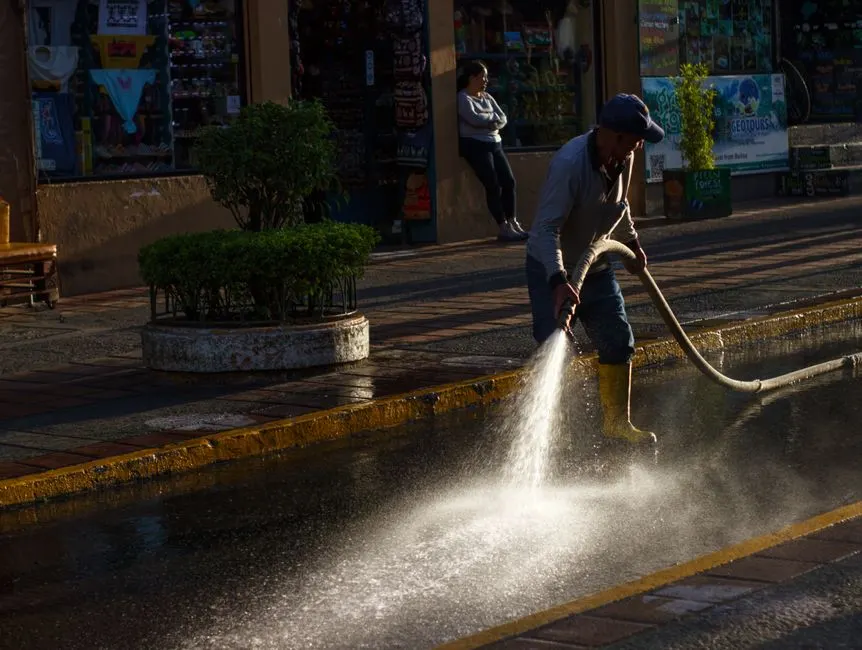
Basement Water Extraction in Flint removes pooled water before it soaks further into floors, framing, and stored belongings. Our technicians serve neighborhoods such as East Village and Civic Park, where varied home ages and basement layouts call for adaptable equipment. Whether the source is a broken water line or storm runoff, we assess the affected area, select an extraction method, and work to leave the space ready for drying.

Equipment Matched To Water

The right extraction setup depends on water depth, floor surface, and how easily the basement can be reached. For flooded basement water extraction Flint properties may require truck-mounted or portable equipment, especially where narrow stairs limit hose placement. We select tools to collect water efficiently while protecting accessible finishes and keeping routes through the home organized.

Hard-To-Reach Wet Areas

Water can collect beneath shelving, around water heaters, and in floor depressions that are easy to miss during a quick mop-up. In Flint's older basements, uneven concrete and utility obstacles may leave small pools behind after the main volume is gone. Our crew checks these areas and extracts accessible water before beginning the drying phase.

Tracking Extraction Progress

During removal, technicians monitor the affected floor and adjust equipment as water levels fall. A basement water removal company Flint, Michigan residents call should explain what has been extracted and what moisture remains in porous materials. We communicate progress, identify any continuing inflow, and recommend next actions if a plumbing repair or outside drainage correction is needed.

  • Measure standing water depth before selecting extraction equipment.
  • Remove pooled water from concrete floors and accessible recesses.
  • Check around appliances and storage for overlooked water pockets.
  • Review extraction progress and remaining damp materials with the homeowner.
Basement Flood Damage Cleanup in Flint

Basement Flood Damage Cleanup in Flint


Basement Flood Damage Cleanup in Flint addresses the mess and material impacts left after water enters a below-grade room. In neighborhoods like Glendale and Historic District, older basements may combine masonry walls, finished panels, and decades of stored items. We assess the extent of the flooding, remove debris and unsalvageable materials as agreed, and prepare affected areas for thorough drying and repair planning.

Remove loose flood debris from accessible basement floors and corners.

Promise

“Cleanup starts by separating contents and building materials according to condition and the water that affected them. Basement water mitigation services near Flint can include careful removal of saturated carpet, dama…”

— Flint customer
Sorting Flood-Affected Materials +

Cleanup starts by separating contents and building materials according to condition and the water that affected them. Basement water mitigation services near Flint can include careful removal of saturated carpet, damaged padding, or debris that blocks drying. We consider the basement layout and access before moving items, taking extra care around older plaster, exposed wiring, and mechanical equipment.

Cleaning Surfaces And Debris +

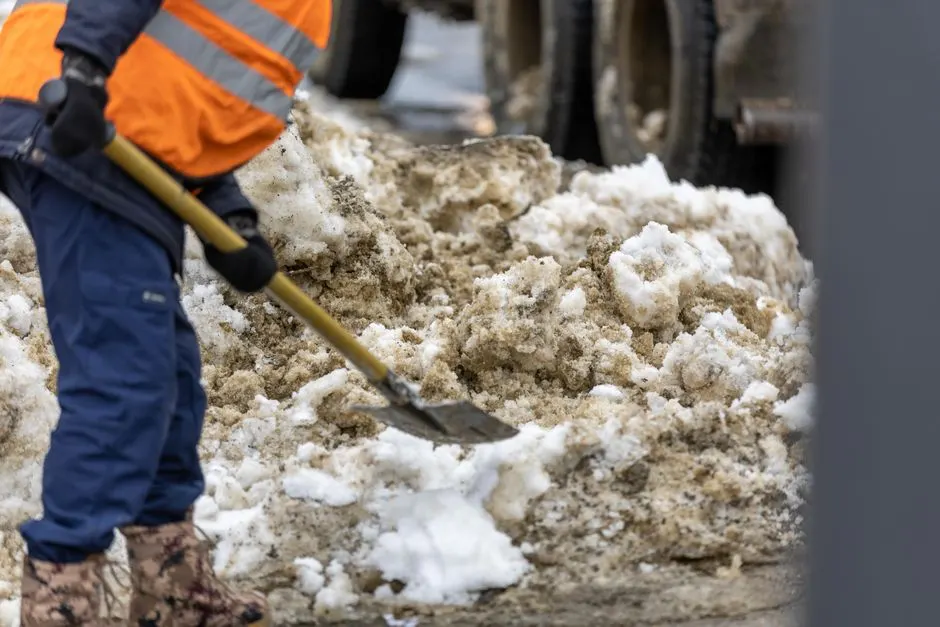
Once standing water is removed, crews clear mud, residue, and loose debris from accessible floors and surfaces. Flint storms can bring runoff and sediment into basements, particularly where exterior grading directs water toward the foundation. We clean affected areas using methods appropriate to the materials, then prepare the room so drying equipment can reach damp corners and floor edges.

Preparing For Repair Decisions +

A cleanup assessment helps homeowners understand which materials may be dried and which may need removal or professional repair. In older Flint housing stock, hidden cavities behind finished walls can retain moisture even after the visible mess is cleared. We note affected areas and discuss practical next steps, helping you coordinate further inspection or restoration without guessing about the damage.

  • Remove loose flood debris from accessible basement floors and corners.
  • Sort affected contents for cleaning, drying, or disposal decisions.
  • Clear saturated carpet padding where removal is authorized.
  • Document visible damage to finishes, stored items, and foundation surfaces.
Basement Drying and Dehumidification in Flint
Service · #5

Basement Drying and Dehumidification in Flint


Basement Drying and Dehumidification in Flint helps address lingering dampness after a leak, flood, or seasonal groundwater intrusion. Humid summer weather and rapid spring snowmelt can slow drying in enclosed spaces, particularly in homes near Mott Park with older masonry foundations. We assess moisture in affected materials, place suitable drying equipment, and monitor conditions so the basement can move toward a stable, usable state.

Moisture Checks By Material

Drying needs vary between concrete, framing, drywall, and carpet, so we assess affected surfaces rather than relying on how they feel. Basement drying and moisture control near Flint is especially useful when a basement appears dry but humidity remains elevated. Readings guide equipment placement and provide a way to track changing conditions during the drying process.

Airflow And Humidity Control

Air movers and dehumidifiers are positioned to circulate air without pushing moisture into unaffected rooms. In Flint's humid months, simply opening basement windows may not help and can introduce more damp outside air. We consider room size, available power, and wet materials when arranging equipment, then explain how the setup supports controlled drying.

Monitoring The Drying Cycle

Technicians revisit the affected area to check moisture readings and adjust equipment as needed. Homes in the College Cultural Neighborhood may have finished basements where moisture can remain behind trim or beneath flooring. We watch for uneven drying and discuss any materials that need further evaluation, helping homeowners understand when drying goals have been reached.

  • Record moisture readings on affected flooring, framing, and masonry.
  • Place dehumidifiers according to basement size and humidity conditions.
  • Position air movers to improve circulation across damp surfaces.
  • Recheck drying progress and adjust equipment placement as conditions change.

Basement Structural Drying in Flint


Basement Structural Drying in Flint focuses on moisture held within building materials after water has been extracted. Older homes around Carriage Town can have wood framing beside stone or block foundations, each drying at a different rate. Our technicians evaluate affected structural surfaces, establish controlled airflow and dehumidification, and monitor moisture changes to help limit prolonged dampness before repairs or rebuilding proceed.

  1. 01

    Checking Framing And Masonry

    We inspect accessible studs, sill areas, joists, and foundation surfaces for moisture after a basement incident. A professional basement water mitigation company in Flint should account for material differences rather than treating every surface alike. That matters in historic properties where timber framing and porous masonry may retain water even when the floor looks dry.

  2. 02

    Drying Hidden Building Cavities

    Water may migrate behind wall finishes or into gaps around floors and utility penetrations. In Flint basements with paneling or older drywall, technicians consider whether moisture readings indicate a need for further investigation. Airflow and dehumidification are adjusted to the area, while any required access or material removal is discussed before work proceeds.

  3. 03

    Verifying Structural Moisture Reduction

    Repeat measurements help show whether structural materials are drying consistently or need additional attention. Cold winters and damp shoulder seasons in Genesee County can make basement drying less predictable, so monitoring matters. We review readings with homeowners, identify persistent wet spots, and explain when drying is progressing sufficiently for the next repair stage.

  • Inspect accessible joists, wall framing, and foundation surfaces for moisture.
  • Measure damp structural materials at documented locations.
  • Arrange controlled airflow around exposed framing and masonry.
  • Compare follow-up readings and identify areas requiring further evaluation.
Basement Structural Drying in Flint

06 / 10

Service

5+ YEARS · FLINT

Basement Sewage Cleanup in Flint

Basement Sewage Cleanup in Flint requires prompt, careful handling when a drain backup or sewer line problem contaminates a lower level. Heavy rain can strain drainage systems in established neighborhoods such as East Village, while older plumbing may add complications. Our team assesses the affected area, limits unnecessary access, removes contaminated water and debris, and explains the cleanup steps needed before the basement is used again.

Controlling Access And Exposure

We establish a controlled work area and identify items that should not be handled without appropriate protective equipment. Emergency basement water cleanup in Flint, Michigan, is especially important when sewage has spread across finished flooring or into stored belongings. The crew explains access precautions, checks the extent of contamination, and prioritizes removal of affected water and materials.

Removing Contaminated Water

Extraction equipment and disposal procedures are selected for the contamination involved, not treated like ordinary rainwater. In older Flint houses, floor drains and basement plumbing may be close to laundry and utility areas, so the affected zone can extend beyond one room. We remove contaminated water and visible debris while keeping the work area organized and contained.

Cleaning And Drying Affected Areas

After removal, impacted surfaces are cleaned and treated using methods appropriate to the materials and contamination. We assess which porous items may require disposal and which hard surfaces can be cleaned. Once sanitation work is complete, drying equipment can address remaining moisture, and we advise homeowners to have the plumbing or sewer issue corrected to reduce recurrence.

  • Restrict access to sewage-affected rooms during initial assessment.
  • Extract contaminated water using appropriate containment and disposal procedures.
  • Remove authorized porous materials exposed to sewage backup.
  • Clean affected hard surfaces and prepare the area for drying.
Basement Storm and Groundwater Cleanup in Flint

Basement Storm and Groundwater Cleanup in Flint


Basement Storm and Groundwater Cleanup in Flint responds to water entering through foundation cracks, window wells, or overwhelmed drains. Spring thaw and intense thunderstorms can saturate soil around homes in Civic Park and along low-lying streets. We locate visible entry areas, remove water and sediment, and assess damp building materials, giving homeowners a clear cleanup plan suited to the source and basement construction.

Inspect window wells, foundation joints, and floor cracks for water pathways.

Promise

“Our assessment checks basement windows, wall joints, floor cracks, and nearby drainage features for signs of water entry. Basement floodwater pumping and removal in Flint, Michigan, may be only one part of the respons…”

— Flint customer
Tracing Stormwater Entry Points +

Our assessment checks basement windows, wall joints, floor cracks, and nearby drainage features for signs of water entry. Basement floodwater pumping and removal in Flint, Michigan, may be only one part of the response when saturated ground continues to push water inward. We document visible pathways and recommend addressing exterior drainage or foundation concerns alongside interior cleanup.

Managing Mud And Sediment +

Runoff can carry grit and soil through window wells or floor-level openings, leaving residue after the water recedes. In Flint neighborhoods with older foundations, sediment may settle along wall edges and around stored items. Crews remove accessible debris, extract standing water, and clean affected surfaces before equipment is positioned to dry the remaining moisture.

Planning For Repeat Weather +

After the immediate cleanup, we discuss conditions that could allow another storm or groundwater event to affect the same area. Snowmelt, clogged exterior drains, and downspout discharge near the foundation can all contribute to basement dampness. We explain observed vulnerabilities and suggest practical follow-up checks, while keeping the interior drying plan focused on the materials already affected.

  • Inspect window wells, foundation joints, and floor cracks for water pathways.
  • Pump standing stormwater from accessible basement areas.
  • Remove tracked-in soil and sediment from affected surfaces.
  • Document visible drainage concerns for homeowner follow-up and repair planning.
Sump Pump Failure Cleanup in Flint
Service · #9

Sump Pump Failure Cleanup in Flint


Sump Pump Failure Cleanup in Flint helps when a failed pump allows groundwater to collect in the basement. Power interruptions during summer storms, worn equipment, or a clogged discharge line can leave homes in Glendale and other low-lying areas at risk. We assess standing water and affected materials, extract water, and begin drying while the homeowner arranges pump repair or replacement with a qualified provider.

Responding To A Failed Pump

The crew first checks water depth, sump pit conditions, and safe access around electrical equipment. For 24/7 flooded basement water extraction near Flint, homeowners can contact our team when a pump failure causes active flooding. We identify what can be safely addressed during cleanup and explain when an electrician or pump technician should inspect the system.

Extracting Groundwater Quickly

Once the area is safe, extraction equipment removes water from the floor and accessible low points. Flint's wet spring season can keep groundwater elevated, so removing pooled water promptly helps reduce its spread into stored belongings and finishes. We monitor the sump area as work progresses and avoid relying on the failed equipment to manage the water.

Drying After Pump Repairs

Cleanup and pump repair are separate needs, but both matter before the basement is considered stable. We set drying equipment for damp surfaces and check moisture around the sump basin and nearby wall edges. After the pump system is repaired, the homeowner can confirm its operation while our team continues monitoring the affected materials and drying progress.

  • Assess sump pit conditions and nearby water depth before extraction.
  • Remove standing groundwater without depending on the failed pump.
  • Check moisture around the basin, floor edges, and stored items.
  • Coordinate drying recommendations with the homeowner's pump repair plan.

Sump Pump Overflow Cleanup in Flint


Sump Pump Overflow Cleanup in Flint addresses water that spills from a basin or discharge setup and spreads across the basement floor. In Mott Park and nearby areas, prolonged rain or snowmelt can increase groundwater flow and strain a sump system. Our crew determines where overflow traveled, extracts pooled water, and checks surrounding materials so cleanup covers more than the area immediately around the pump.

  1. 01

    Finding The Overflow Spread

    Water can travel beneath storage, along concrete seams, and into finished corners before the overflow is noticed. Affordable basement water cleanup serving Flint, Michigan, starts with understanding the affected footprint so removal and drying are not limited to the sump pit. We inspect the room, note visible water lines, and prioritize areas where moisture may be trapped.

  2. 02

    Removing Water And Residue

    After identifying the wet areas, technicians extract pooled water and clear residue around the basin and floor. A blocked discharge line or pump cycling problem may cause repeated overflow, so we note visible system conditions without replacing the repair work of a pump specialist. The cleanup remains focused on water removal, affected surfaces, and preparation for drying.

  3. 03

    Reducing Lingering Dampness

    Once extraction is complete, moisture checks guide the placement of air movers and dehumidification equipment. Flint's seasonal humidity can slow recovery in closed basements, particularly where concrete meets finished wall materials. We monitor the drying area, identify spots that remain damp, and explain the need to correct the overflow cause before the next heavy rain.

  • Trace visible water spread from the sump basin across basement floors.
  • Extract pooled water from corners, seams, and accessible storage areas.
  • Check nearby flooring and wall edges for retained moisture.
  • Recommend follow-up pump inspection when overflow conditions remain unresolved.
Sump Pump Overflow Cleanup in Flint

10 / 10

Service

Residential Basement Water Removal

Residential Basement Water Removal In Flint

Flint homes range from older houses with unfinished utility basements to properties with finished rooms, laundry areas, and storage along the foundation. A leaking line, sump pit overflow, or groundwater seepage can affect belongings and building materials before water is noticed. Our residential crew removes standing water, checks the affected floor and lower walls, and plans drying around your household's access needs. For Michigan basement water removal in Flint, we account for aging basement infrastructure and seasonal rain or snowmelt without assuming every property has the same drainage problem. We keep the route through your home clear, protect unaffected contents, and explain what needs monitoring after extraction.

  • Home basement water extraction — We pump and extract water from Flint home basements after a pipe leak, sump failure, or seepage event. Our crew checks the floor edges and nearby storage, then chooses equipment that fits the water depth and stair access. You get an immediate reduction in standing water and a clear next step for drying.
  • Finished room cleanup and drying — Finished basements need careful checks around carpet, baseboards, and lower gypsum board. We remove water, assess moisture spread, and position drying equipment where readings show it is needed. In Flint, we also plan around household access so you can keep clear routes to utilities and exits.
  • Sump failure response — When a sump stops or a pit overflows, we remove water from the pit area and trace how far it traveled. We check nearby belongings and wall materials, then help identify whether pump or electrical repair needs a separate licensed trade. The cleanup addresses the resulting water damage in your Flint home.
  • Basement contents protection — Waterlogged boxes, rugs, and furniture can hide damp flooring or restrict airflow. We help separate affected belongings from dry items and clear access to the wet areas before extraction and drying. Flint homeowners get a more usable basement work zone and fewer items left sitting against damp masonry.
Commercial Basement Water Removal

Commercial Basement Water Removal In Flint

Flint commercial basements may house storage, mechanical equipment, records, or building services, so a water event can disrupt more than floor space. We plan extraction around operating hours, access rules, and the areas your staff needs to reach. For basement floodwater pumping and removal in Flint, Michigan, our crew identifies the water category, protects clear routes, and focuses equipment on the affected zone. Downtown and the Flint Cultural Center area provide useful local business references, but every site has its own loading and entry conditions. We coordinate with the responsible property contact and document drying progress so the facility can plan its next steps.

Office buildingsRetail propertiesEducational facilitiesCultural institutionsMultifamily housing

Common Flint Basement Water Problems

Flint's older housing stock includes basements with aging foundation details, older plumbing, and varied drainage arrangements. Heavy rainfall and snowmelt contribute to seepage, and cold winters bring freeze-thaw conditions that can stress exposed lines or existing cracks. The Flint River and local drainage channels are part of the broader flood context, but each property's entry point must be assessed directly. Flooded basement water extraction Flint service starts by identifying whether the water is clean, storm-related, or contaminated, then matching the pump and drying approach to the affected materials.

Groundwater seepage through older masonry and floor-wall joints

Rain and snowmelt can leave water against foundation walls, while older mortar joints and floor-wall connections may offer paths into a basement. The visible damp patch may be smaller than the wet area behind stored items or along the floor edge.

Sump pump failure followed by overflow across basement floors

A pump can stop because of a mechanical problem, power interruption, blocked discharge, or excessive inflow. During heavy rain, a failed system may allow the pit to fill and water to spread before the issue is noticed.

Frozen or leaking water lines wetting lower-level rooms

Cold weather can expose vulnerable plumbing in basement areas, particularly where lines are near cold exterior surfaces or poorly protected spaces. A small line leak can run unnoticed behind stored items and wet flooring, framing, or insulation.

Stormwater intrusion saturating stored items and basement finishes

Heavy rain can overwhelm a property's drainage capacity or find a low opening, bringing water across floors and into finished spaces. Water may travel under rugs, boxes, and furniture before the homeowner sees the full extent.

When To Call For Basement Water Removal

Basement Water Removal in Flint is warranted when water is actively entering, standing on the floor, or soaking building materials. If water is near electrical equipment, keep out and contact the appropriate emergency service before entering. For other situations, fast extraction helps limit the time water contacts stored belongings, flooring, and lower walls. If you need 24/7 flooded basement water extraction near Flint, call with the water depth, suspected source, and whether the pump or leak is still active. These details help us prepare the right extraction equipment.

  • Water rising around the sump pit

    A rising level can mean the pump has failed, lost power, or cannot keep up with incoming water. If the water is moving beyond the pit, unplugging nearby equipment or walking through it may be unsafe. Call for extraction and keep people away from wet electrical areas.

  • A new puddle along the foundation wall

    Water at a wall-floor joint can signal groundwater seepage, stormwater intrusion, or a plumbing leak nearby. Check whether the puddle is growing, but do not cover the area with stored items. Early inspection helps distinguish an active leak from water already trapped in masonry.

  • Carpet or lower drywall feels damp

    Damp carpet, swollen baseboards, or soft gypsum board means water has reached porous materials. Moisture can extend beyond the visible stain and remain behind trim or insulation. Extraction and moisture readings identify how far the affected area extends before drying equipment is positioned.

  • Sewage odor or discolored backup water

    A sewage smell or dark water coming from a floor drain indicates a contaminated backup, not a routine clean-water leak. Avoid contact and keep children and pets out of the area. This requires sewage-rated pumping, protective measures, and cleaning with an appropriate disinfectant.

  • Musty smell after water was removed

    A persistent odor can point to hidden moisture in wall cavities, wet insulation, or damp wood framing. Removing visible water does not prove the structure is dry. Have the affected area checked with moisture measurements, especially if the smell grows stronger after the room has been closed.

Flint Landmarks For Local Orientation

Our team uses recognizable Flint destinations as navigation references, then verifies the property address and best entrance before unloading equipment. The Flint River is a useful geographic reference when discussing parts of the city, but proximity alone does not establish why a basement flooded. The Flint Institute of Arts, Sloan Museum of Discovery, Kettering University, and Flint Cultural Center help distinguish nearby districts during call intake. We use landmarks for orientation only and assess each basement's actual water source on site.

Flint River

The river is a prominent geographic feature through Flint and helps orient callers describing their general location. We still use the street address and site access instructions to route a crew and assess the property's actual drainage conditions.

Flint Institute of Arts

The Flint Institute of Arts is a recognizable cultural destination that can help callers identify the College Cultural Neighborhood area. It serves as an orientation point only; the basement's water source must be inspected at the property.

Sloan Museum of Discovery

Sloan Museum of Discovery is a well-known Flint destination and a useful reference when confirming a general area during a service call. We use the full address, not the landmark alone, to plan entry and equipment access.

Kettering University

Kettering University provides a recognizable point of reference for local directions and nearby streets. It helps clarify where a customer is located in Flint, while the crew confirms the exact property and parking approach.

Coverage across Flint & Genesee County

485024850448505485064850748503485504855148552485534855648557

Plus surrounding Genesee County neighborhoods, with same-day routing on most appointments.

Flint Seasonal Basement Water Concerns

As November moves into winter, Flint homeowners should watch for freeze-thaw stress and plumbing leaks, then prepare for spring snowmelt and heavy rain. Summer storms can push water toward low openings, while fall leaves and debris can affect exterior drainage maintenance. These conditions do not predict a basement flood at a particular property, but they shape what we inspect when you call. Basement floodwater pumping and removal in Flint, Michigan is followed by drying decisions based on the water source, material type, and measured moisture.

Spring

Snowmelt and sustained rain can leave water around foundations and reveal seepage at floor joints. A sump pit may fill faster during wet periods, and stored items can hide early puddles. Watch for damp masonry, water lines, or a pump that cycles unusually often.

Tip: Keep the sump area clear and test the pump before the ground is saturated. Move boxes several inches off the floor and leave access to foundation walls so a leak is easier to spot.

Summer

Heavy thunderstorms can deliver concentrated rain over a short period, exposing weak drainage points or a pump that cannot keep pace. Humid air also slows drying after a leak, so wet materials can remain damp even when the basement floor looks clear.

Tip: After a storm, check the basement floor, sump pit, and lower storage areas. If water is present, avoid running household fans through contaminated water and call for an assessment and extraction.

Fall

Fall is a useful time to notice drainage changes before winter. Debris around exterior drainage routes and a neglected sump system can add risk during later rain. A leak from a water line or appliance can still occur regardless of weather.

Tip: Clear accessible drainage points, test the sump pump, and keep the electrical panel area unobstructed. Store seasonal items on shelving rather than directly on concrete floors.

Winter

Cold weather brings freeze-thaw conditions and seasonal flooding concerns. A vulnerable line can leak after a cold spell, while thawing periods can send water toward foundation joints. Watch for new dampness, unusual pump cycles, or a sudden change in basement temperature.

Tip: Keep basement access clear and know where the main water shutoff is located. If a pipe breaks, shut off water only if the valve is safely reachable and avoid wet electrical areas.

Flint Basement Water Removal FAQs

Real answers from our team for the questions we hear most often before a job starts.

How much does basement water removal cost in Flint, Michigan?
A small clean-water extraction often costs about $300-$900, while a larger loss with drying can run $1,500-$5,000 or more. Typical 2026 pricing depends on water depth, contamination, access, affected materials, and equipment duration. Sewage cleanup or wet wall cavities increase labor and controls. We provide upfront pricing before work begins, based on the conditions we find and the service you need.
Who offers emergency basement cleanup near Flint?
Michigan Basement Water Removal Pros provides emergency basement water cleanup in Flint, Michigan, with 24/7 phone intake for active leaks, sump failures, and flooding. Tell us whether water is still entering, how deep it is, and whether it may involve sewage. Our team matches extraction and cleanup procedures to the water source, then checks affected materials for drying needs.
How quickly can basement water extraction reach Flint, Michigan?
Our emergency line operates 24/7, and we work to arrange same-day response for active Flint water emergencies. Arrival time depends on the address, road conditions, and current calls, so give us your ZIP code and access details when you call. For 24/7 flooded basement water extraction near Flint, keep people away from wet electrical areas while we prepare the right equipment.
What should I do before a basement water removal crew arrives in Flint?
Stay out of water near electrical equipment, stop the source only if the shutoff is safely accessible, and move people and pets away from the affected area. Do not use a household vacuum on standing water. Share the water depth, suspected source, and any sewage odor when calling; this helps us prepare emergency basement water removal in Flint, Michigan.
How long does basement drying take after extraction in Flint?
Many Flint basement drying jobs take three to five days, while wet insulation, wall cavities, or wood framing can extend the process. Extraction itself often takes two to six hours depending on the volume and access. We use moisture readings to guide equipment placement and check progress, rather than removing equipment just because the floor looks dry.

Call For Basement Water Removal In Flint

If water is spreading across your Flint basement, call Michigan Basement Water Removal Pros at +1 866-896-8166. Our 24/7 emergency line helps you report the source, water depth, and any electrical or sewage concerns so we can prepare the right response. Keep people clear of unsafe water, and contact us now to arrange service.

Call Now Send a Message

Call For Basement Help

Call +1 866-896-8166 when your basement floods, a sump pit overflows, or a leak keeps feeding water onto the floor. Our phone line takes requests around the clock, and we connect you with independent companies serving Michigan. Share your city, the water source, and whether the water is still rising; those details help direct your request.

Or call us right now at +18668968166 — we answer.

Michigan Basement Water Removal Pros


  • Phone

    +18668968166
  • Address

    Michigan

  • Hours

    Mon–Fri: 7AM – 7PM
    Sat: 8AM – 4PM
    Sun: Emergency Only
    24/7 Emergency Available

Call +18668968166 Get Quote
Call Quote